Explainer
Distracted driving and the phone
Learn the three kinds of distraction behind the wheel, why teen drivers face the most risk, and how to set up your phone so it doesn't pull you in.
Satisfy+ Editorial · Published July 23, 2026 · 2 min read
At a glance
- Visual
- Eyes off the road
- Manual
- Hands off the wheel
- Cognitive
- Mind off driving
- The fix
- Do one thing at a time behind the wheel
Distracted driving is anything that takes your attention away from the road. Texting, talking on the phone, typing into a map and eating all count.
The three kinds of distraction
- Visual. Your eyes leave the road.
- Manual. Your hands leave the wheel.
- Cognitive. Your mind leaves the drive.
Texting takes your eyes, your hands and your mind off driving.
How often it ends in a crash
Distracted driving makes a crash more likely. Nine people in the U.S. are killed each day in crashes reported to involve a distracted driver, about 3,000 a year. In 2019, over 3,100 people were killed and about 424,000 were injured in those crashes. About one in five of the people killed were outside a vehicle, walking or riding a bike.
Teen and young drivers
Teen and young adult drivers face the most risk. In fatal 2019 crashes involving a distracted driver, drivers aged 15 to 20 were more often the distracted one than drivers 21 and older. In a 2019 survey, 39% of high school students who drove had texted or emailed while driving in the past 30 days. Each teen or young adult passenger in the car raises the crash risk for a new driver without an adult along.
What helps
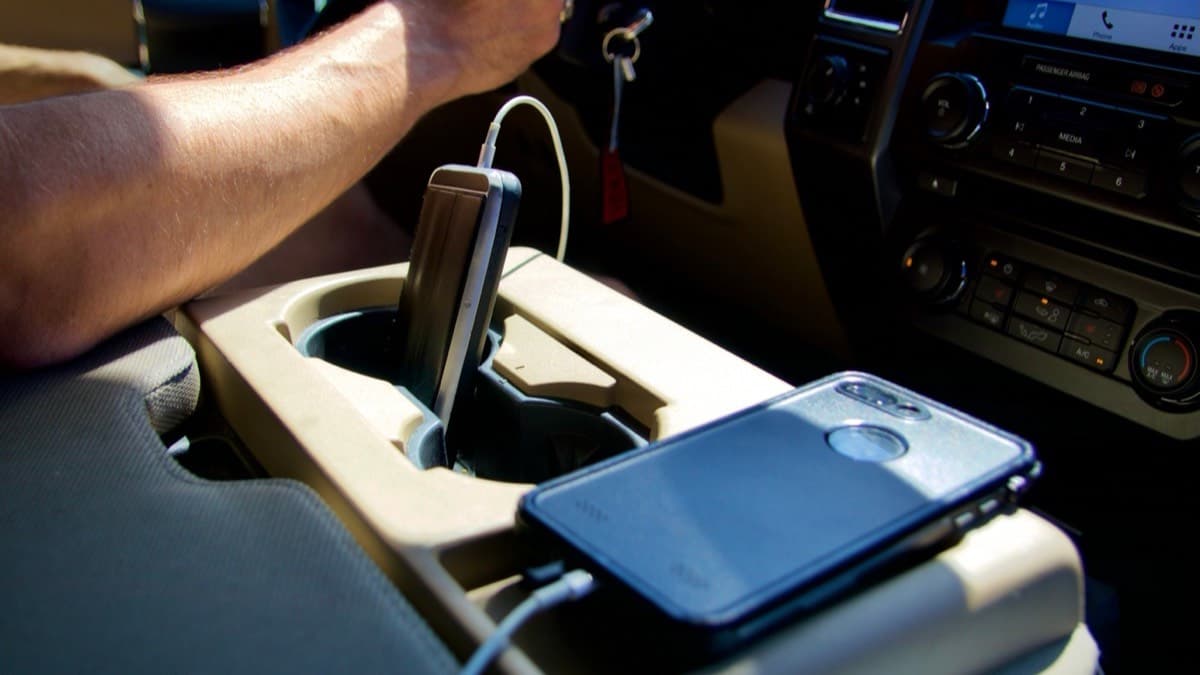
- Drivers. Turn on your phone's driving mode, or use an app that limits phone use while the car moves. Put the phone where you can't reach it, such as the glove box or a bag on the back seat.
- Passengers. Speak up when the driver is distracted, and offer to handle the map.
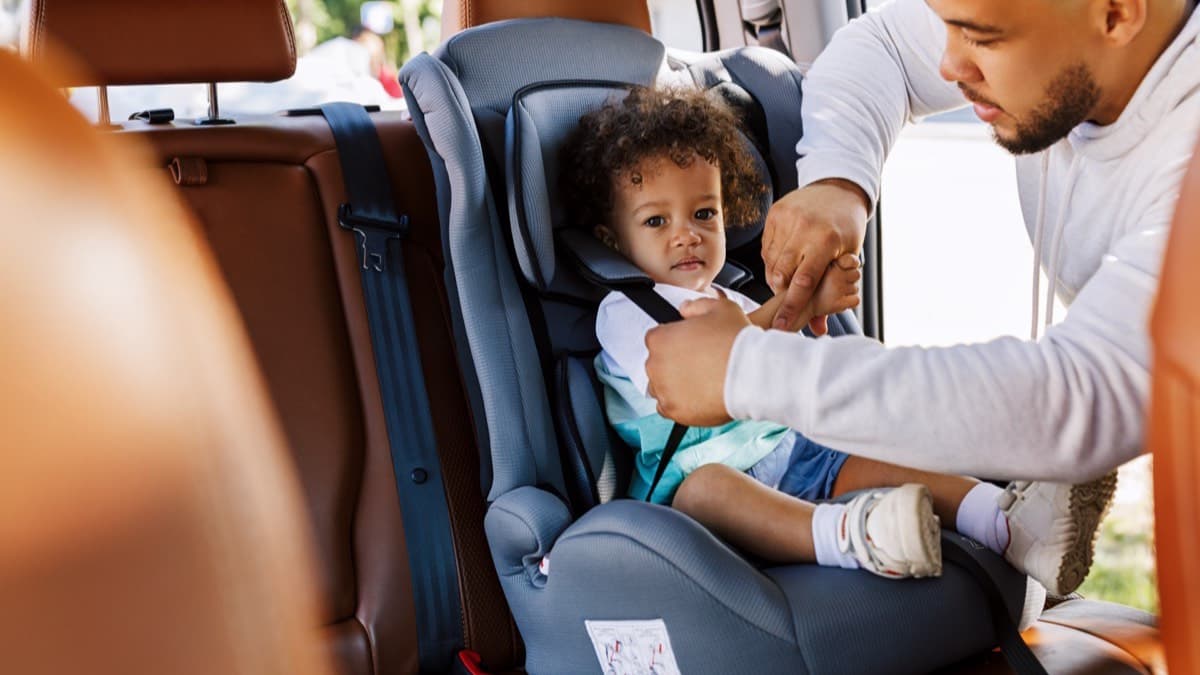
- Parents. Set clear rules and consequences for phones in the car, and follow the same rules yourself, with your eyes on the road and your hands on the wheel.
An annotated example
What to do next
Turn on your phone's driving focus or do-not-disturb mode, and set the route before you start the car. If there's a teen driver at home, agree on the rules for phones in the car.
Set up your phone for driving
- Turn on your phone's driving focus or do-not-disturb mode
- Set the map route before you start the car
- Talk with your teen driver about phones in the car
FAQ
What are the three types of distracted driving?
Visual, which takes your eyes off the road; manual, which takes your hands off the wheel; and cognitive, which takes your mind off driving.
Who is most at risk from distracted driving?
Teen and young adult drivers.
Sources
Checked October 19, 2026
- Centers for Disease Control and Prevention. Distracted driving (2026)
- Centers for Disease Control and Prevention. Risk factors for teen drivers (2025)
- Car