Checklist
Driving in fog, and when to pull over
Set the lights right for fog, give yourself room and time, and know how to get off the road safely when you can't see ahead.
Satisfy+ Editorial · Published August 28, 2026 · 2 min read
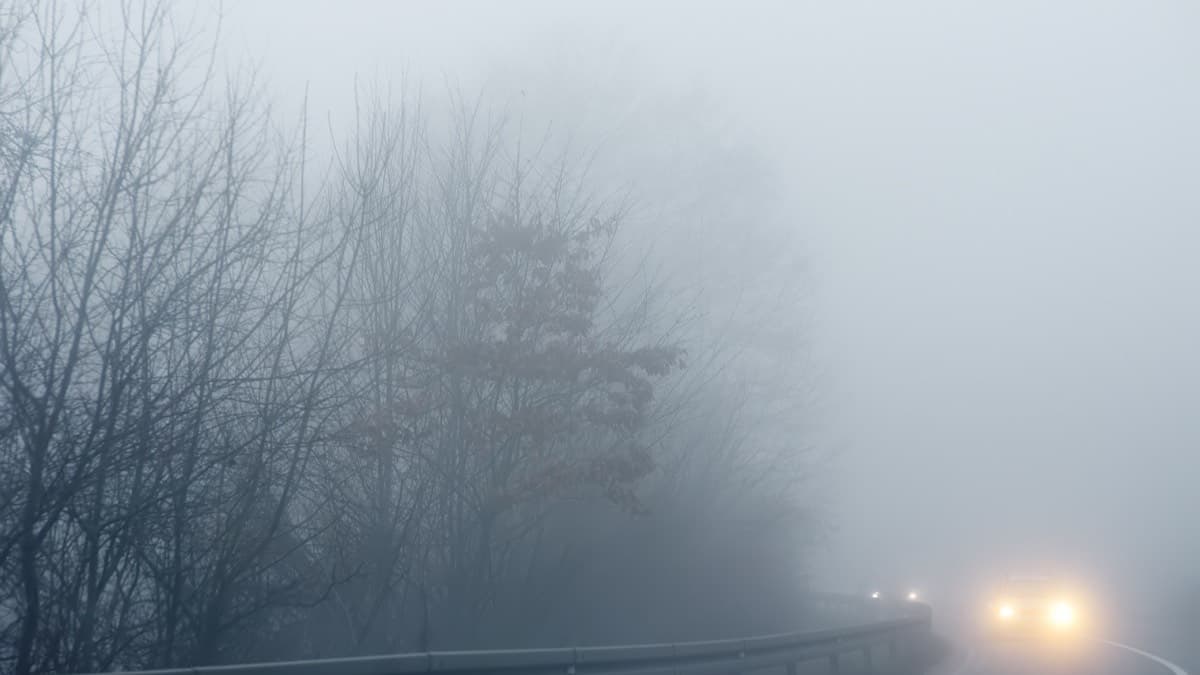
Fog, smoke, blowing snow and blowing dust are counted together as low visibility. From 2019 to 2023, those conditions led to an average of about 32,900 crashes a year, injuring about 11,300 people and killing 488. They made up 13% of the deaths in weather-related crashes. Snow, ice and fog together also cause an estimated 23% of the unexpected delay on the nation's highways.
The lights
- Turn on the low beamsThey make the car visible ahead and behind, because the taillights come on with them.
- Use fog lights if the car has them
- Keep the high beams offThey cause glare, which makes it harder to see the road ahead.
Speed and space
- Slow downAllow extra time to get where you're going.
- Leave plenty of room behind the car in frontThe space covers a sudden stop or a change in the traffic ahead.
- Follow the lines on the road with your eyesThey keep you in your lane when you can't see far.
Get the car ready for foggy drives
- Check that the low beams, taillights and fog lights all work
- Find where the hazard light switch is before you need it
When you can't see at all
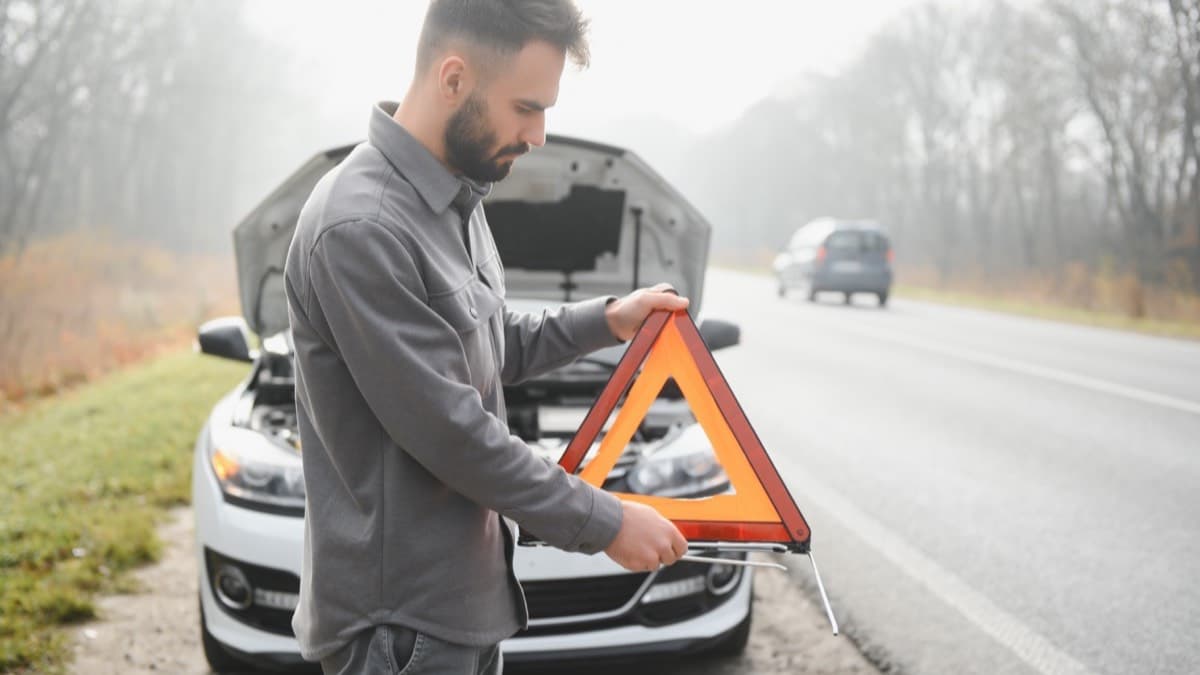
- Turn on the hazard lights first
- Pull into a safe place, such as a business's parking lot, and stop
- With no lot or driveway, pull off the road as far as you can
- Once stopped, turn off every light but the hazard lights
- Set the parking brake and take your foot off the brake pedalWith your foot off the pedal, the brake lights go dark, so drivers behind you don't take them for a moving car and follow them into you.
The two fog advisories
Your local National Weather Service office issues a Dense Fog Advisory when widespread dense fog develops. Visibility then often drops to a quarter of a mile or less, and travel gets difficult. Take extra care on the road, or skip the drive if you can.
A Freezing Fog Advisory means fog has formed while surface temperatures are at or below freezing. The tiny droplets in the fog can freeze the moment they touch a surface, including the car and the road. Visibility in freezing fog is typically a mile or less.
FAQ
Should I use high beams in fog?
No. High beams cause glare and make it harder to see the road. Use your low beams, and fog lights if you have them.
What should I do if I can't see in fog?
Turn on your hazards, pull into a parking lot or as far off the road as you can, and stop. Then turn off every light but the hazards and take your foot off the brake.
Who issues fog advisories?
Your local National Weather Service office, as a Dense Fog Advisory or a Freezing Fog Advisory in the forecast for your area.
Sources
Checked October 19, 2026
- National Weather Service. Driving in fog (2026)
- National Weather Service. Fog advisories (2026)
- Federal Highway Administration. How do weather events impact roads? (2024)
- Car