Checklist
Driving near school buses and bus stops
Slow down for a bus's yellow lights, stop and wait for its red lights and stop arm, and teach your child the safe way on and off the bus.
Satisfy+ Editorial · Published July 13, 2026 · 2 min read
At a glance
- Yellow lights flashing
- Slow down and get ready to stop
- Red lights and stop arm
- Stop and wait
- Start again
- Only once the bus is moving
- Children at the stop
- Ten feet back from the curb
The school bus is one of the safest vehicles on the road, and less than 1% of traffic deaths involve children on school transportation. Children are more at risk walking to and from the bus. They wait near the bus and often cross the street to get on or off, so watch the area around a stopped bus as well as the bus.
Driving near a bus
- Slow down when the yellow lights flashThe bus is getting ready to stop to load or unload children. Be ready to stop your car.
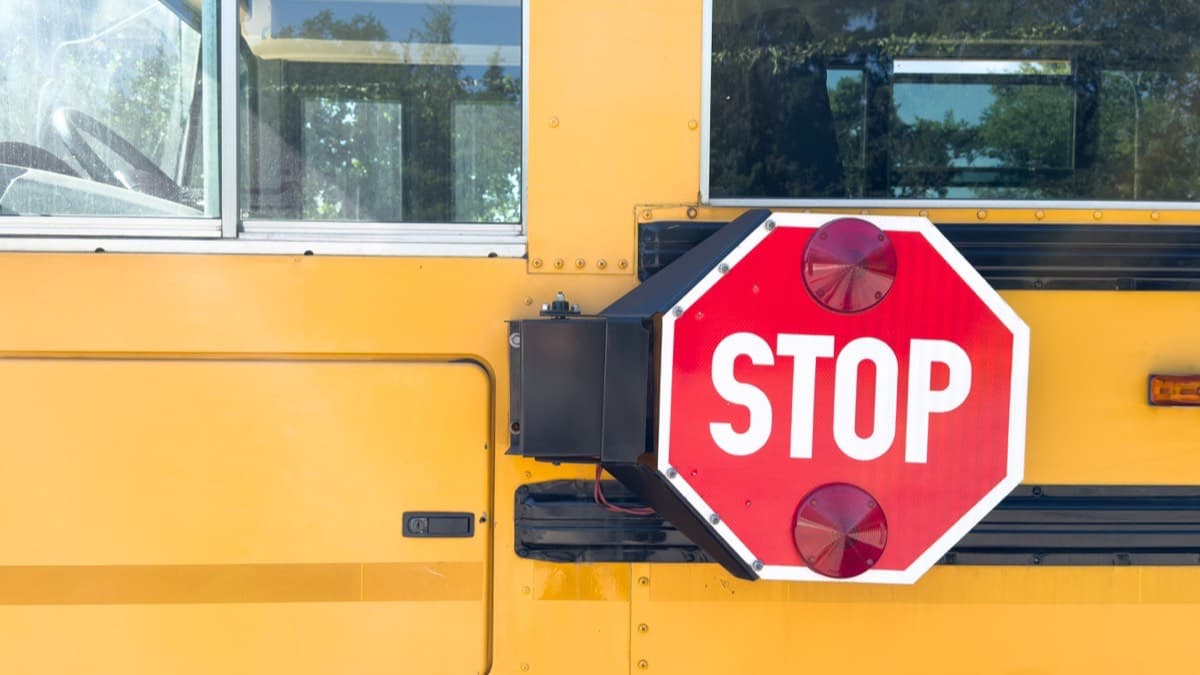
- Stop when the red lights flash and the stop arm comes outChildren are getting on or off.
- Wait until the bus starts moving againStay stopped until the red lights go off, the stop arm folds back and the bus pulls away.
- Watch the whole area around the bus, not just the busChildren wait several feet from the bus and often cross the street.
- Never pass a stopped school bus
Get ready for the school bus
- Walk to the bus stop with your child before school starts
Teaching your child
- Get to the stop at least five minutes early
- Wait at least ten feet from the curbThat's five giant steps. Visit the stop before the school year starts and show your child where to stand.
- Treat the stop as a place to wait, not to run or play
- Wait for the bus to stop, the door to open and the driver to say it's okayThen use the handrail getting on and off.
- Never walk behind the bus
- Cross only in front of the bus, at least ten feet aheadWalk on the sidewalk or along the side of the street to that spot, and make eye contact with the driver before crossing.
- Tell the driver about anything dropped near the busDon't pick it up, since the driver may not be able to see you.
Why there are no seat belts on a big bus
A large school bus protects children with strong, closely spaced seats that have energy-absorbing backs, so children are protected without buckling up. A big bus is heavier than a car and spreads crash forces differently, so the children inside feel much less of a crash. Small school buses, weighing 10,000 pounds or less, have lap or lap and shoulder belts at every seat.
FAQ
What do a school bus's yellow lights mean?
The bus is getting ready to stop. Slow down and be ready to stop.
When can I drive on after a school bus stops?
Once the red lights stop flashing, the stop arm folds back and the bus starts moving.
How far from the curb should my child wait for the bus?
At least ten feet, or five giant steps.
Sources
Checked October 20, 2026
- National Highway Traffic Safety Administration. School bus safety (2026)
- Car