Checklist
What to keep in the glovebox
Keep the proof-of-insurance card, the owner's manual, the roadside number and a pen in the car, and keep valuables out of sight.
Satisfy+ Editorial · Published May 1, 2026 · 2 min read
At a glance
- In
- The insurance card, the owner's manual, the roadside number, a pen
- Out of sight
- Bags, phones and electronics
- Check
- The insurance card is the current one
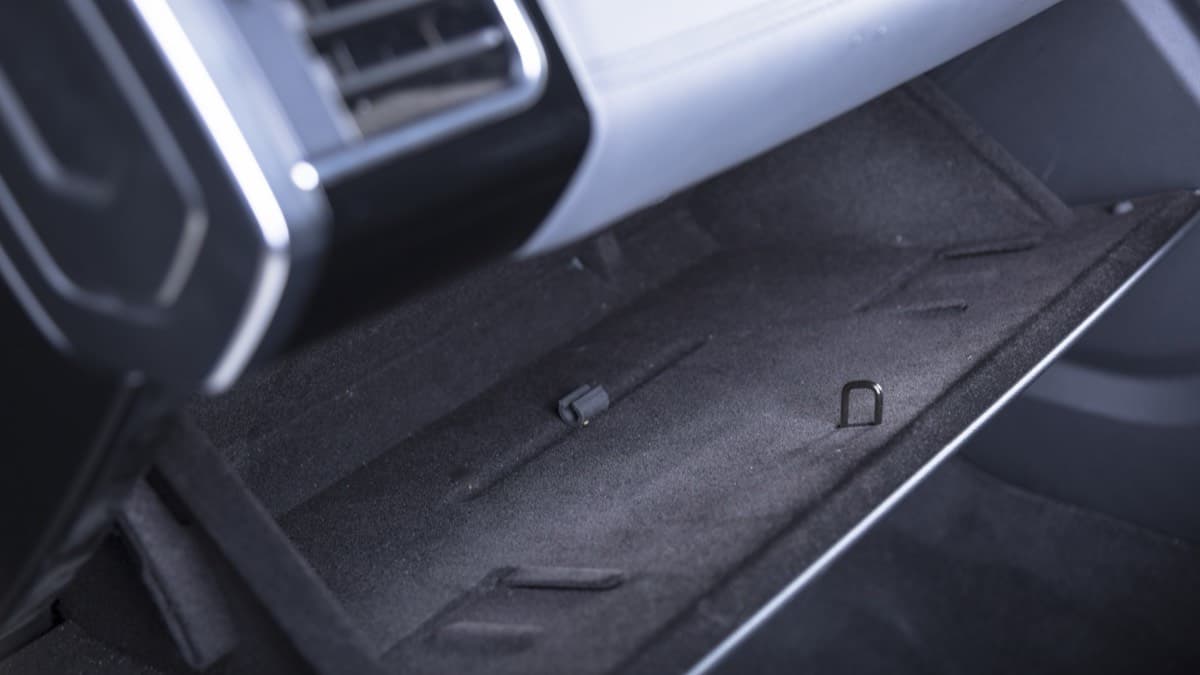
The glovebox should hold what you'll need when you're stopped, broken down or in an accident, so nothing needs a search on the shoulder.
What goes in
- The current proof-of-insurance cardKeep it in the car at all times. Swap in the new card each time the policy renews. The phone number on the card is the one to call to file a claim.
- The owner's manualIt has the maker's maintenance schedule for your type of driving, and the right tire pressure if the sticker in the door jamb is hard to read. When the check engine light or the brake light comes on mid-trip, have a mechanic look at the car soon. Light smoke from a wheel means a stuck brake, and the car should be towed.
- The roadside assistance numberTowing coverage, sometimes called roadside assistance, pays for a tow when your car breaks down. If your policy has it, write the number on a card and keep it with the insurance card.
- A pen and paperAfter an accident, write down the other driver's name and address, and their insurance company's name and phone number from the insurance card in their car. If you can't get those, note their driver's license number and license plate. Add the other car's make, model, year and plate, witnesses' names and contact details, the officer's name and badge number, and the time, date and exact location. Be ready to give the other driver the same information about you.
- The officer's detailsAsk the officer who comes when and where to get the accident report, and write down the report number.
- A phone for photosTake a photo or sketch a diagram of the scene, with notes on skid marks, the weather and the road.
- A flashlight and extra batteries
- A phone charger
- A first-aid kitThe trunk holds the rest of an emergency kit, such as jumper cables, blankets and water.
Out of sight
- Valuables in the trunkPut bags, phones and electronics in the trunk or out of view before you park.
- Doors locked and windows shutLock up whenever you leave the car, even for a few minutes. Park in busy, well-lit places, or in a locked garage at home.
Sort out the glovebox
- Put the current insurance ID card in the glovebox
- Write the roadside assistance number on a card
- Put a pen and a notepad in the glovebox
At home
The service receipts and the warranty papers belong in a folder at home. Vehicle records worth keeping covers what to keep and for how long. At the scene of a car accident goes through the scene itself.
Sources
Checked October 20, 2026
- National Association of Insurance Commissioners. A consumer's guide to auto insurance (2022)
- National Association of Insurance Commissioners. A shopping tool for auto insurance (2023)
- FuelEconomy.gov (U.S. Department of Energy and EPA). Keeping your vehicle in shape (2026)
- Federal Trade Commission. Auto repair basics (2012)
- National Weather Service. Before a winter storm (2026)
- Insurance Information Institute (insurer-funded). How to prevent auto theft and carjacking (2026)
- Car