Guide
Defensible space around your house in wildfire country
Clear the ground around your house in three zones against wildfire, starting with the first 5 feet, where nothing should burn.
Satisfy+ Editorial · Published April 29, 2026 · 3 min read · 4 hr to do
At a glance
- Zone 0
- 0 to 5 feet from the house, nothing that burns
- Zone 1
- 5 to 30 feet, spaced plants and no sheds
- Zone 2
- 30 to 100 feet, cleared ground around fire pits and wood piles
- Grass
- Under 4 inches in every zone
Defensible space is the ground around a house with little left to burn. It reaches up to 100 feet from the home and slows or stops a wildfire's spread. At a minimum, keep the first 30 feet free of leaves, debris and anything else that burns.
Within 5 feet of the house
This is Zone 0, and its rules are the strictest.
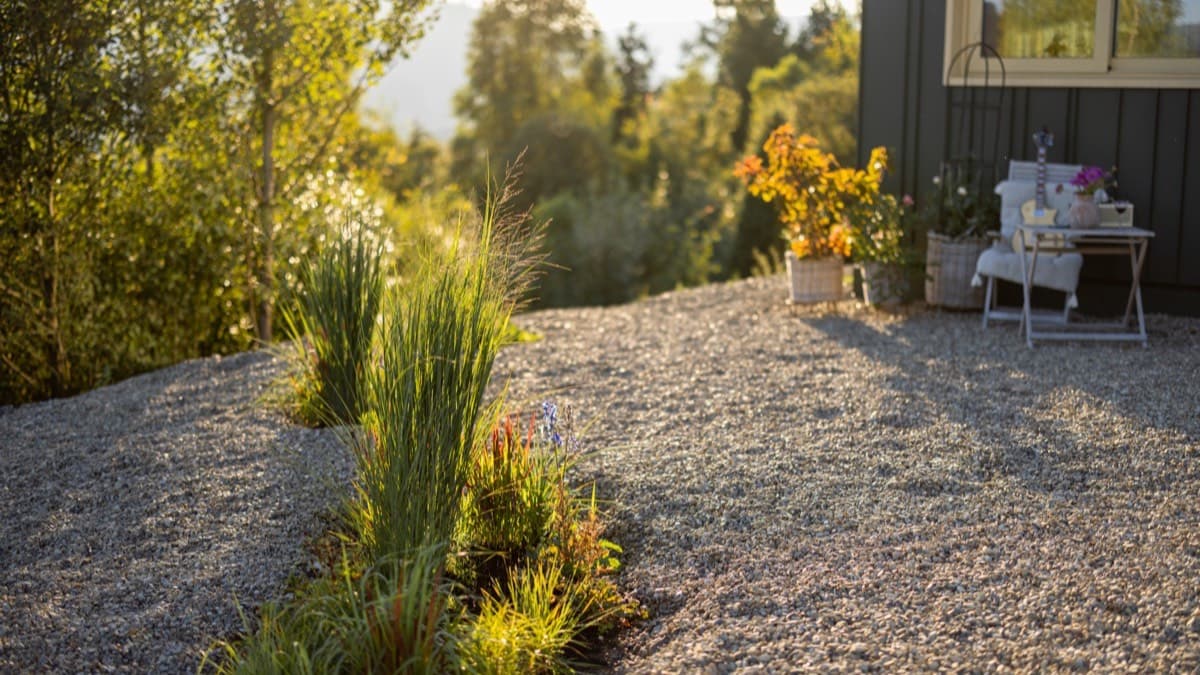
- Keep plants out of the first 5 feetUse gravel or pavers there where you can.
- Remove the mulch and plant debrisThat includes what has blown around and under the house, the deck and the porch.
- Move what can burn away from the wallsThat includes grills, firewood, toys, furniture and portable propane tanks, around the house and under it.
- Set the trash and recycling bins backKeep them at least 5 feet from the house, in noncombustible bins.
- Have the roof and gutters clearedLeaves and debris collect on roofs, in gutters and in vents. Have someone with the right ladder and fall protection clear the roof.
From 5 to 30 feet
- Space out the shrubsSpace plant groups and single shrubs at least twice their height apart.
- Have the trees trimmed back from the houseKeep branches 10 feet from the home, its roof and its chimney, and remove branches for the first 6 feet above the ground. Have a tree service do it.
- Move sheds and parked vehicles farther outKeep sheds and other outbuildings, cars, RVs and boats at least 30 feet from the house.
From 30 to 100 feet
Keep at least 10 feet of bare soil or gravel around fire pits, grills, wood piles and large propane tanks. In all three zones, keep grass under 4 inches and remove dead or dying plants, leaf litter and trash.
Many homes sit closer than 100 feet to a neighbor. Where your zones cross the property line, work with the neighbor on the same plan.
Under the deck and around the edges
- Clear under the deck and the porchKeep nothing that burns on or under decks, porches and carports. Move the stored lumber, the cushions and the gas can.
- Store flammable liquids away from the houseKeep gasoline, paint thinner and the like in a fire-rated cabinet or a metal shed.
- Clear the leaves and debris along the fences
- Have the vents screenedCover them with corrosion-resistant metal mesh no larger than 1/8 inch. Have a contractor do it.
- Close the house up on Red Flag daysOn Red Flag Warning days, or when an evacuation order comes, close the windows, doors, skylights and garage doors.
Getting ready to leave
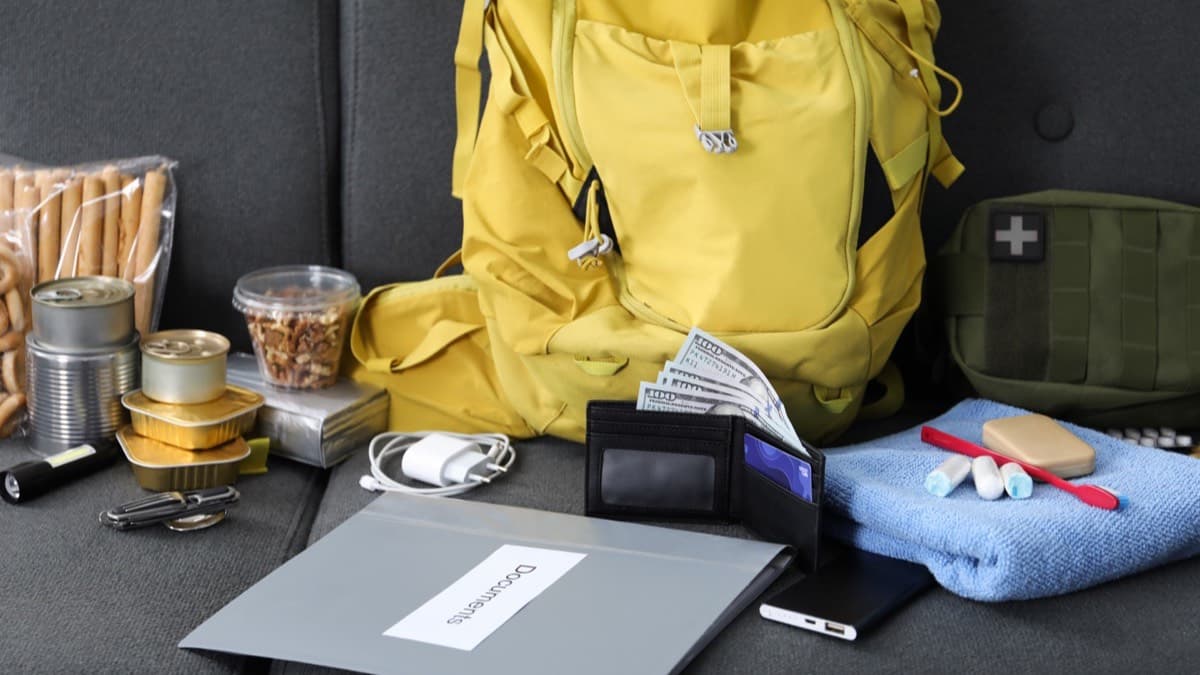
A wildfire can mean leaving quickly. Learn your evacuation routes, and keep a go bag ready with supplies that include a first aid kit. Set up more than one way to get alerts. The FEMA app can send National Weather Service alerts for up to five locations.
An annotated example
What to do next
Walk the house with a tape measure and mark 5 feet and 30 feet with stakes. Start with Zone 0, the ground closest to the walls. Then set the jobs that repeat as to-dos.
Clear the ground around the house
- Clear the mulch and dead plants within 5 feet of the house
- Move the firewood and the grill away from the house
- Have the roof and gutters cleared of leaves and needles
- Have the branches trimmed back from the roof
- Keep the grass under 4 inches
FAQ
How far does defensible space go?
Up to 100 feet from the house, with at least the first 30 feet kept clear.
What about the air inside on smoky days?
Run a portable air cleaner in a room you can close off, and use high-efficiency filters in the central air to catch fine smoke particles.
Sources
Checked October 19, 2026
- Federal Emergency Management Agency. Reducing wildfire risk to your home (Maui wildfires recovery advisory 2) (2025)
- Ready.gov (FEMA). Wildfires (2026)
- Mountain
- Exterior
- Yard
- West coast
- Southwest
- Wildfire
- Either