Checklist
Building an emergency kit and keeping it current
Build an emergency kit with the food, water and supplies to get by for several days, keep smaller kits at work and in the car, and check them once a year.
Satisfy+ Editorial · Published August 27, 2026 · 2 min read
At a glance
- Water
- One gallon per person per day
- Food
- At least several days of non-perishables
- Where
- One or two easy-to-carry containers
- Review
- Once a year, and the water every six months
After an emergency, you may need to get by on your own for several days. A kit gathers the food, water and supplies for that stretch in one place. Store the items in airtight plastic bags, inside one or two containers that are easy to carry, such as plastic bins or a duffel bag.
The basic kit
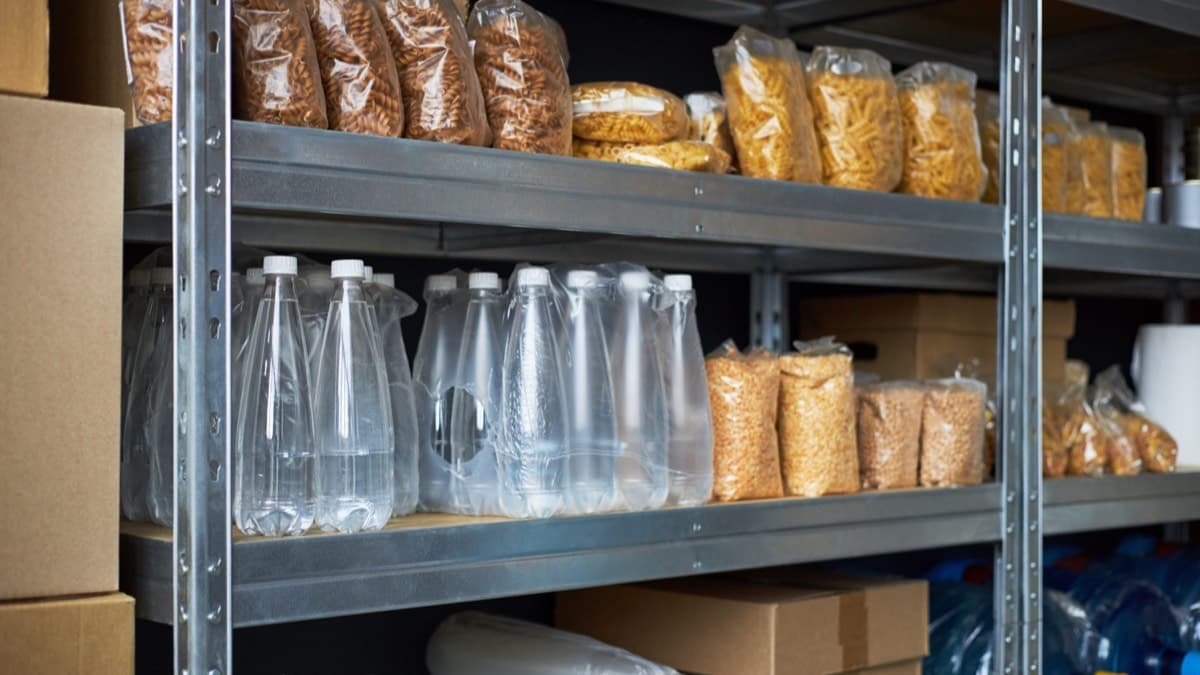
- Water, one gallon per person per dayStore at least 3 days' worth for drinking and sanitation, and a 2-week supply if you can.
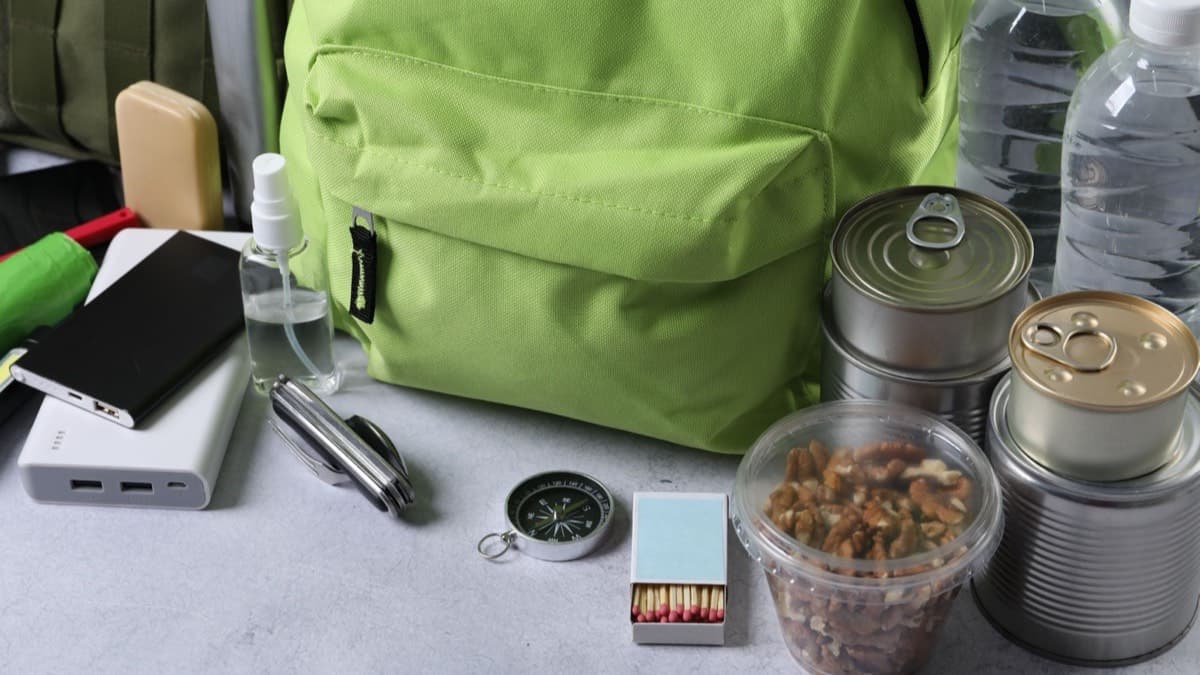
- Food that won't spoil, and a manual can openerPack at least several days' worth.
- A battery-powered or hand-crank radioAdd a NOAA Weather Radio with a tone alert.
- A flashlight and extra batteries
- A first aid kit and a whistleThe whistle is for signaling for help.
- A dust mask, plastic sheeting, scissors and duct tapeThe mask helps filter contaminated air, and the sheeting and tape are for sheltering in place.
- Moist towelettes, garbage bags and plastic tiesThese are for personal sanitation.
- A wrench or pliers, local maps, and a phone with chargers and a backup batteryThe wrench or pliers are for turning off the utilities.
The extras your household needs
- MedicinesPack prescription medicines, plus everyday ones such as pain relievers and antacids. About half of all Americans take a prescription medicine every day, and an emergency can make a refill hard to get.
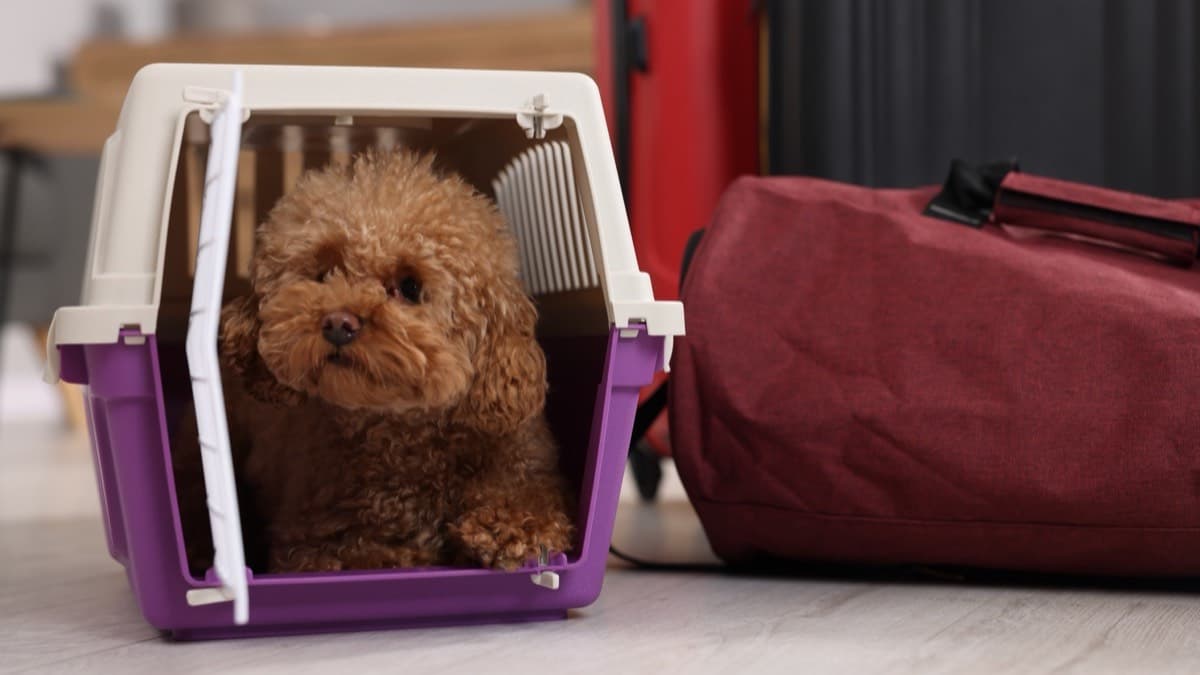
- Glasses, contact lens solution, and supplies for a baby or a petThat means formula, bottles, diapers and wipes for a baby, and food and extra water for a pet.
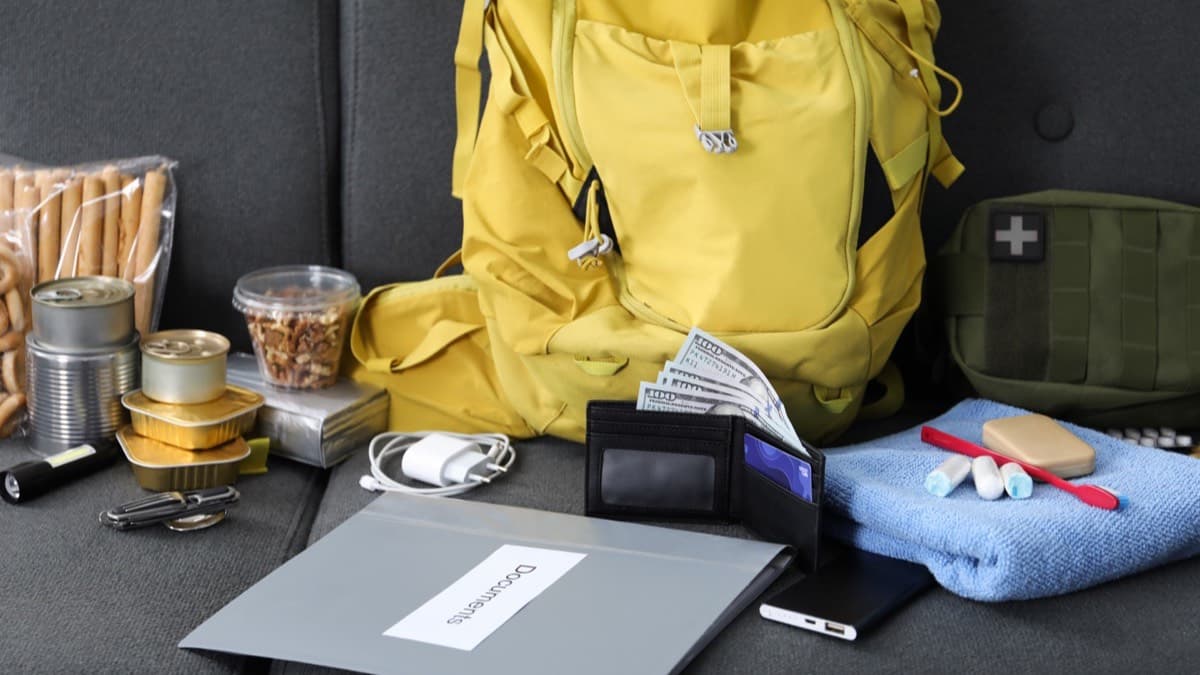
- Copies of important documentsKeep insurance policies, identification and bank account records, saved online or in a waterproof, portable container.
- Cash, a warm blanket or sleeping bag for each person, and a change of clothesInclude sturdy shoes and clothing for your climate.
- A fire extinguisher, and matches in a waterproof container
Where to keep it
- At home, in one place everyone knowsKeep it ready in case you have to leave quickly.
- At work, enough for a dayBe ready to shelter at work for at least 24 hours, with food, water, medicines and comfortable walking shoes in a grab-and-go case.
- In the carKeep a smaller kit in case you're stranded.
Keeping it current
- Store food the way it keepsKeep canned food in a cool, dry place, and boxed food in tightly closed plastic or metal containers.
- Replace stored water every six monthsCheck the expiration date on store-bought water.
- Review the kit once a yearReplace expired items, and update the kit as your household's needs change.
Build the emergency kit
- Gather the basic kit into one or two containers
- Pack a small kit for the car
- Replace the stored water in the kit
- Review the emergency kit and replace expired items
FAQ
How much water should be in an emergency kit?
One gallon per person per day, for at least 3 days, and a 2-week supply if you can.
How often should an emergency kit be checked?
Once a year, with the stored water replaced every six months.
Sources
Checked October 19, 2026
- Ready.gov (FEMA). Build a kit (2026)
- Centers for Disease Control and Prevention. How to create an emergency water supply (2025)
- Power outage
- Hurricane
- Owner
- Winter storm
- Under $100
- Tenant
- DIY