Checklist
Getting your pets through an emergency
Plan where your pets will go if you evacuate, pack a kit for each one, and get them used to the carrier before you need it.
Satisfy+ Editorial · Published October 15, 2026 · 2 min read
At a glance
- If you evacuate
- The pets go too
- Before
- A place to take them, and a backup person
- Kit
- Food, water, medicine, ID and a carrier
- At the first warning
- Bring them inside
If officials ask you to evacuate, take your pets with you. Pets left behind can end up lost or injured. Many public shelters and hotels don't allow pets inside, so work out where yours will go before an emergency.
The plan
- A place to take themMany shelters and hotels don't take pets, so find one that does before you need it.
- A backup personAsk a neighbor, friend or relative to care for or evacuate your pets if you can't.
- A microchip with current detailsKeep your address and phone number up to date, with an emergency contact from outside your area.
- Local advice if you're unsureYour local emergency management office, animal shelter or animal control office can help.
The pet's kit
- Food and water for several daysKeep the food in an airtight, waterproof container, with a water bowl.
- Medicine and first aidPack an extra supply of any regular medicine in a waterproof container. Ask your veterinarian what belongs in a first aid kit for your pet.
- A collar with an ID tag, and a leash or harnessPack a spare of each. Keep copies of the registration and other records in a waterproof container and on your phone or computer.
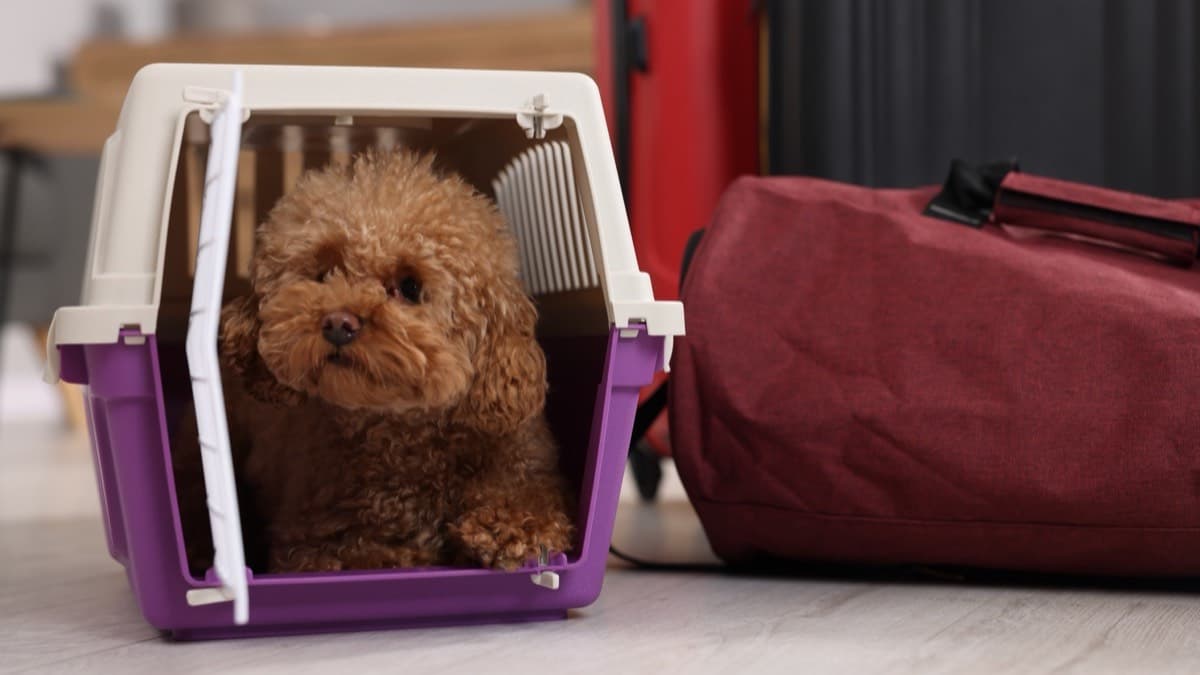
- A crate or sturdy carrier for each pet
- Grooming suppliesPack pet shampoo and conditioner in case your pet needs cleaning up.
- Sanitation suppliesLitter and a litter box if needed, newspapers, paper towels, trash bags and household chlorine bleach.
- A photo of you with your petIt shows the pet is yours, and helps others identify it if you're separated.
- Familiar thingsFavorite toys, treats or bedding ease your pet's stress.
Keep two kits: a larger one for sheltering in place and a lighter one for evacuating. Check them regularly so the food and medicine stay fresh.
Getting them used to the carrier
- Leave the carrier out and openPut it where your pet often goes.
- Make it a good place to beFeed treats near it or inside it, and add a favorite blanket or small bed so it smells familiar.
- Know where they hideThen you can find them fast if you have to leave quickly.
Horses, goats and other large animals
Give every animal some form of ID, and plan to evacuate them early. Map a main route and a backup, and line up the trailers, vehicles and experienced handlers you'll need. Make sure the place they're going has food, water, veterinary care and handling equipment.
When a storm or disaster is coming
- Bring them inside at the first warning
- Follow local officialsEvacuate or shelter in place when they tell you to, and watch for wireless emergency alerts.
Plan for the pets in an emergency
- Find a place to take the pets if you evacuate
- Ask a neighbor or friend to be the pets' backup
- Update the contact details on the pets' microchips
- Pack an emergency kit for each pet
- Check the pet kit's food, water and medicine
FAQ
Can I take my pet to an emergency shelter?
Many public shelters and hotels don't allow pets inside, so plan a safe place for them ahead of time.
What goes in a pet emergency kit?
Food and water for several days, medicine, a first aid kit, a collar with ID and a leash, a carrier, sanitation supplies, a photo of you with your pet and familiar items.
Sources
Checked October 19, 2026
- Ready.gov (FEMA). Prepare your pets for disasters (2026)
- Hurricane
- Owner
- Under $100
- Tenant
- Wildfire
- Flood
- DIY