Guide
Emergency planning for an older parent who lives alone
Work through an emergency plan with an older parent who lives alone, from their medicines and devices to who holds a spare key and how they'd get out.
Satisfy+ Editorial · Published August 5, 2026 · 2 min read

At a glance
- Step 1
- Assess what the parent needs
- Step 2
- Write the plan and pack the kit
- Step 3
- Build the support network
- Spare key
- With at least one person nearby
An older adult may have needs in a disaster that the usual plan doesn't cover, from medicines and medical equipment to getting out without driving. The work falls into three steps: figure out what the parent needs, write a plan and a kit around it, and line up the people who'll help.
Assessing the needs
Start with the disasters that could hit the area, which ones would mean leaving and which would mean staying put. Then go through what the parent depends on day to day: medicines, medical supplies, assistive devices, a service animal or a pet. Note how they'll get news and alerts, such as a weather radio or the FEMA app, and how they'll communicate if hearing, sight or speech makes that hard. Ask whether they'd need a ride to leave.
The plan and the kit
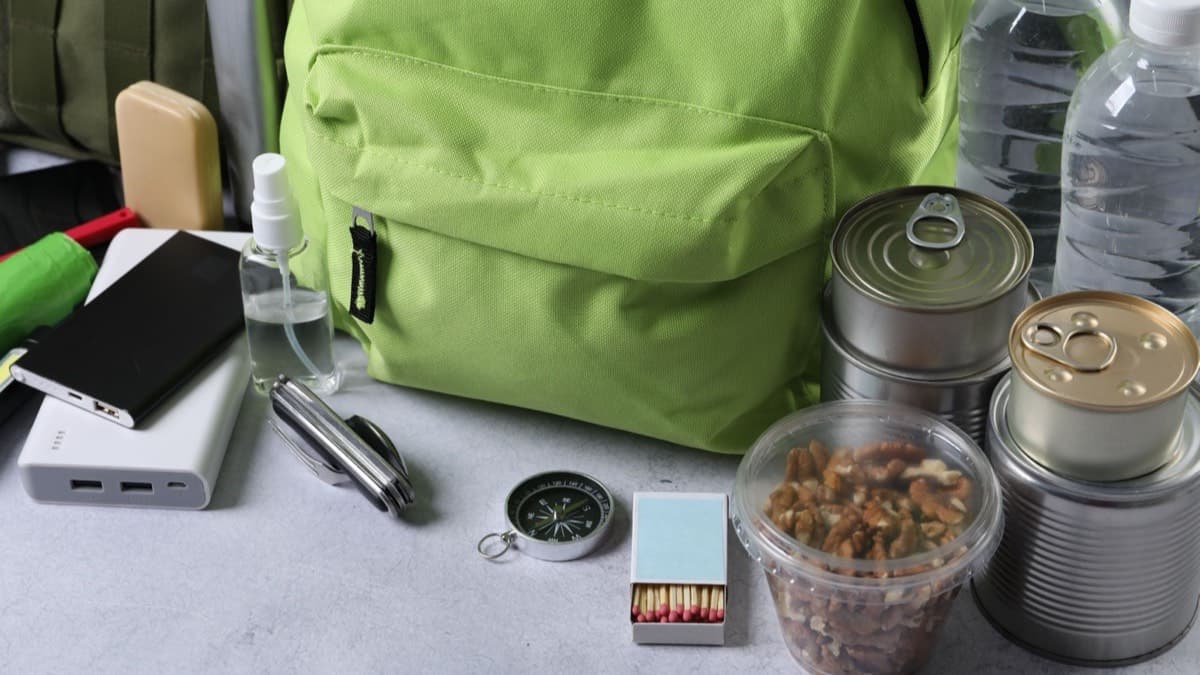
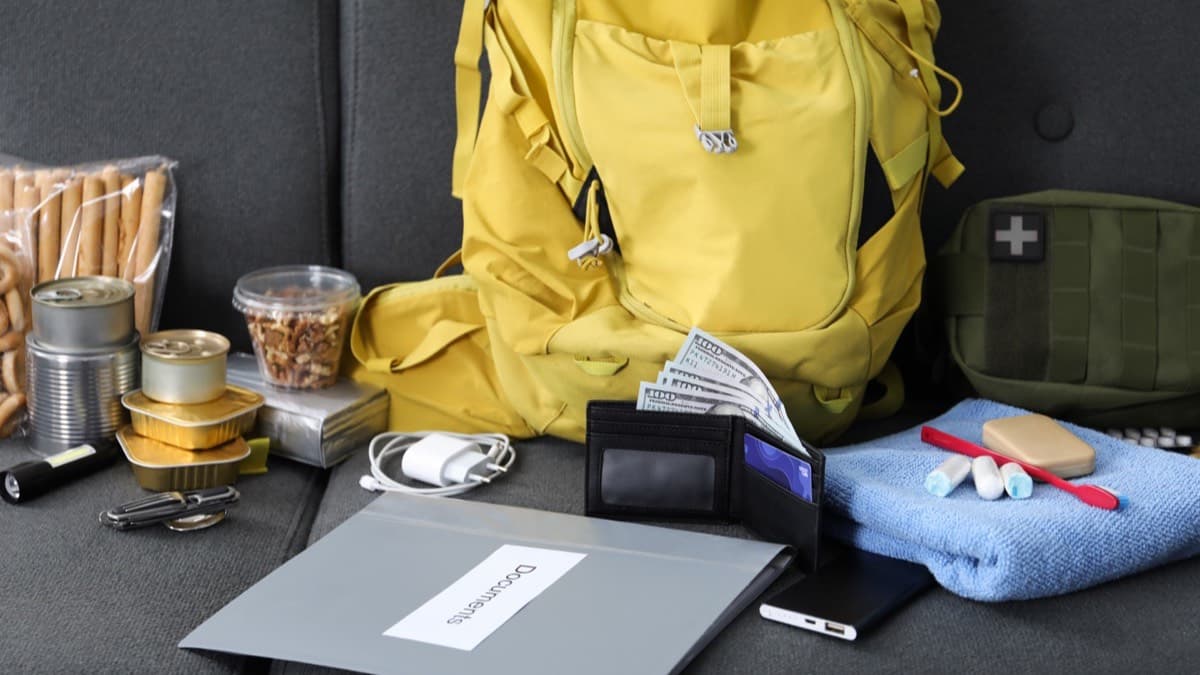
Plan food and water for the parent and any animals, and look up which shelters nearby take pets. Plan the transportation if they'd need help evacuating, and how the walker, wheelchair or other devices will go with them. The kit holds the usual supplies plus medicines, medical supplies, batteries and chargers. Make copies of the Medicare, Medicaid and other insurance cards for it. If the parent gets regular treatment at a clinic or hospital, find out that place's emergency plan and a backup provider.
A disaster can stop the mail for days or weeks. A parent who gets Social Security or other benefits by check can switch to direct deposit or a prepaid benefits card before anything happens.
The support network
Family, friends, neighbors and people from their place of worship can all be part of it. Make sure at least one of them has a spare key, knows where the emergency supplies are and knows how to use any lifesaving equipment or give medicine. Practice the plan with them.
An annotated example
What to do next
Sit down with your parent and list the disasters for their area, then what they depend on day to day. Copy the insurance cards, pack the kit around their medicines and devices, and give a spare key to someone close by. Then practice the plan with the people in it.
Make an emergency plan with an older parent
- List the disasters that could hit the parent's area
- Make copies of the Medicare and other insurance cards
- Leave a spare key with someone in the support network
- Ask the parent's clinic about its emergency plan
FAQ
What should go in an emergency kit for an older adult?
The usual supplies plus medicines, medical supplies, batteries and chargers, and copies of the insurance cards.
Who should have a spare key to an older parent's home?
At least one person in their support network who knows where the supplies are and how to give any medicine.
How can an older parent keep getting benefits during a disaster?
Switching from paper checks to direct deposit or a prepaid benefits card keeps payments coming if the mail stops.
Sources
Checked October 19, 2026
- Ready.gov (FEMA). Older adults (2026)
- Owner
- Tenant