Checklist
Emergency planning for people with disabilities
Build a support network, plan for power and transportation, and pack the kit with the medicines, devices, batteries and communication tools a person with a disability relies on every day.
Satisfy+ Editorial · Published June 16, 2026 · 3 min read

At a glance
- Network
- People who can help, with a contact list in the kit
- Power
- Ask about priority restoration for medical equipment
- Medicines
- A several-day supply and a written list
- Devices
- Spare batteries, charged, and the model numbers
After a disaster, there may be no way to reach a medical facility or even a drugstore for several days. Disabilities affect people in many ways, visible and invisible, so the plan starts with the daily needs of the person it's for and what would happen if those needs became hard to meet.
Make a plan
- Build a support networkLine up people who can help in a disaster. Keep a contact list in a watertight container in the emergency kit or on your phone, and tell them where the kit is. A trusted member could hold a spare key.
- Plan accessible transportationYou'll need it for an evacuation and for getting around afterward. Ask local transit providers and the emergency management office about accessible options.
- Ask about a local registryMany city and county emergency management offices keep voluntary registries so people with disabilities can get targeted help in an emergency.
- Plan for medical equipment that needs electricityTalk with the doctor about keeping it running in a power outage, and ask the power company about a priority restoration list.
- Know more than one place for life-sustaining treatmentFor dialysis or other treatment, know the location and availability of more than one facility.
- Carry medical informationWear a medical alert tag or bracelet, and add medical details to your phone.
- Plan how to communicateWith a communication disability, carry printed cards or keep information on your phone that tells responders how to communicate with you.
- Plan for service animals and petsSome shelters allow only service or support animals, so find out before you need one.
Make a disability-ready emergency plan
- Ask the power company about priority restoration
- Ask about the local disability emergency registry
- List the model and serial of each medical device
- Keep spare batteries for each device charged
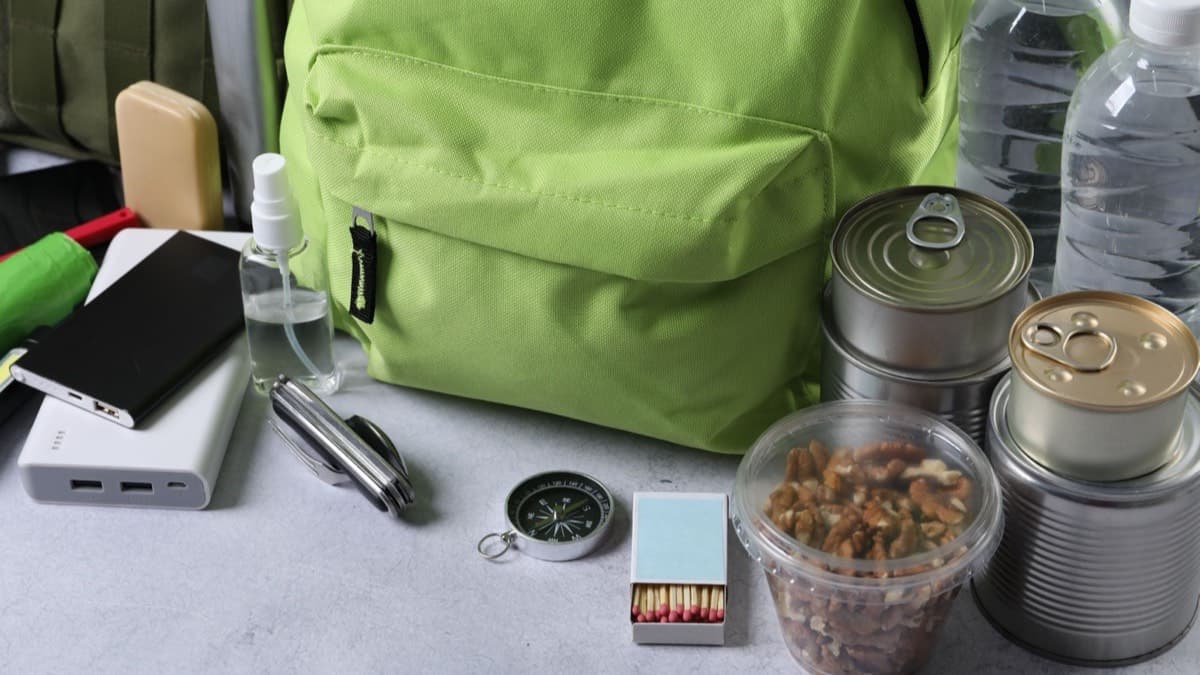
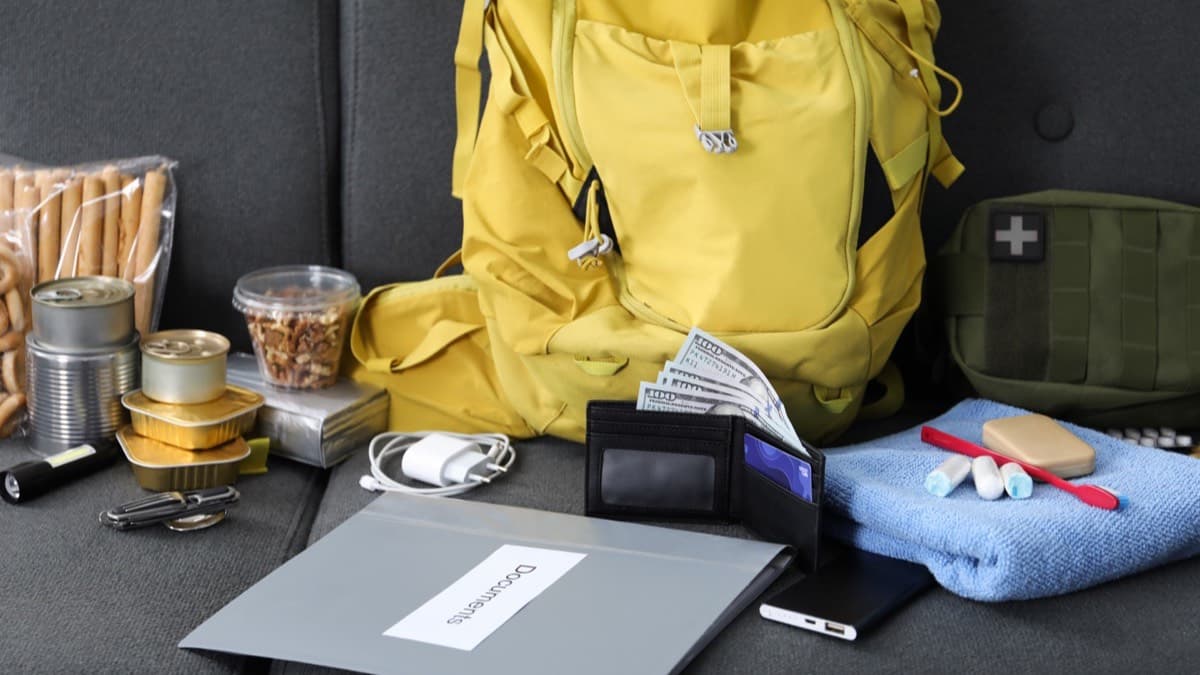
Pack the kit
- Medicines for several daysAsk the doctor or pharmacist how to build an emergency supply. Keep a written list of each medicine with the diagnosis, dose, how often it's taken, supplies needed and allergies.
- A cooler and chemical ice packsUse them for medicines that need to stay cold.
- Extra glasses, contacts, hearing aids and batteries
- A backup supply of oxygen, if it's used
- A list of medical devicesInclude their style and serial numbers, any special operating instructions, and where the equipment came from.
- Copies of insurance and Medicare cards, and key contactsList the doctors, relatives and friends to notify if you're hurt.
For specific needs
- Deaf or hard of hearingPack a weather radio with a text display and flashing alert, extra hearing-aid batteries, pen and paper, and a battery lantern so sign language or lip reading works in the dark.
- Blind or low visionPut Braille or large-print labels on the supplies, and a list of them on a flash drive or audio file.
- Speech disabilityPlan for evacuating with any communication device, and pack laminated cards with phrases or pictures in case it stops working.
- Mobility disabilityKeep a lightweight manual chair as a backup to a power chair if possible. Pack a charged extra battery, a patch kit or sealant and an air pump for the tires, and an extra cane or walker. Show others how to assemble and operate the wheelchair, and talk with neighbors who could help you leave the building.
- Intellectual or developmental disabilitiesPack charged devices loaded with videos and activities, noise-canceling headphones, comfort snacks, and sheets and twine or a small pop-up tent for privacy in a busy shelter.
- Alzheimer's and dementiaDon't leave the person alone, since even someone who doesn't usually wander may in an unfamiliar place. Bring a pillow, blanket or other comforting item, and look for a quiet corner away from the exits at a shelter.
FAQ
How should someone with a disability prepare for an emergency?
Build a support network, plan for transportation and power for medical equipment, and pack medicines, device batteries and communication tools in the emergency kit.
What if medical equipment at home needs electricity?
Talk with the doctor about keeping it running in an outage, and ask the power company about priority restoration.
Is there a registry for people with disabilities in an emergency?
Many city and county emergency management offices keep voluntary registries. Ask your local office.
Sources
Checked October 20, 2026
- Ready.gov, U.S. Department of Homeland Security. People with disabilities (2026)
- Living
- Owner
- Tenant