Explainer
Home fire sprinklers explained
A home fire sprinkler sprays only when the air right around it gets hot, so the one over the fire opens on its own and keeps the fire small.
Satisfy+ Editorial · Updated August 5, 2026 · 2 min read
At a glance
- What sets one off
- Heat, not smoke
- How many spray
- Only the one closest to the fire
- Water
- Much less than a fire department hose
- With smoke alarms
- The risk of dying in a fire drops by 82%
A home fire can leave less than 2 minutes to get out once the smoke alarm sounds. Thick, black smoke can fill a house in minutes, and the heat is more dangerous than the flames. A room can be 100°F at the floor and well over 600°F at eye level. Smoke and toxic gases kill more people than flames do.
A home fire sprinkler system puts water on a fire while it's still small. Together with smoke alarms, fire sprinklers cut the risk of dying in a home fire by 82%.
How a sprinkler works
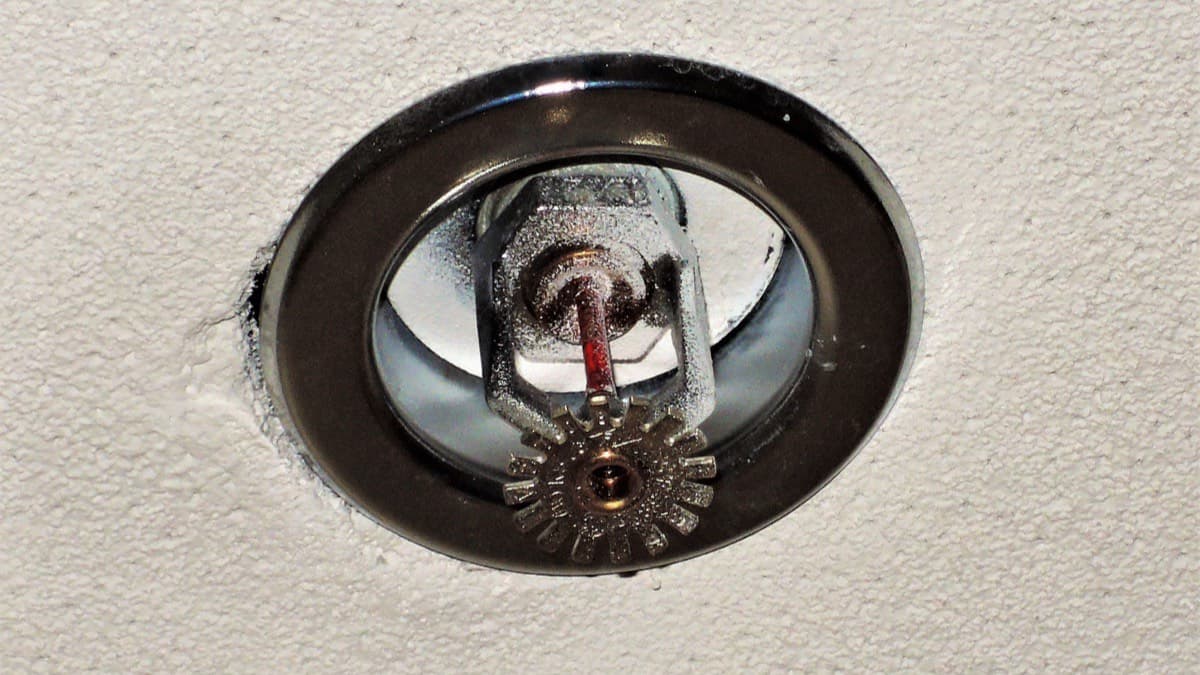
Each sprinkler head reacts to heat. When the temperature around it rises quickly, it opens and sprays water on the fire. The heads aren't triggered by smoke, and the rest stay closed. Only the sprinkler closest to the fire sprays.
Home sprinklers are more sensitive to heat than the ones in businesses and industrial buildings, so they respond sooner. Spraying early keeps down the heat, flames and smoke a fire makes, which also lowers the risk to firefighters who come in.
What they mean for the house
- A home sprinkler puts much less water on a fire than a fire department hose does, so the water damage is smaller than from firefighting hose lines.
- Putting the fire out quickly limits the smoke and fire damage.
- Home systems can run off the home's own water supply and need less water than business and industrial systems.
- Heads come in different colors, and some sit flush with the ceiling, so they're hard to spot.
Fitting them
Sprinklers can be added to new houses and to houses that are already built. In a house under construction or being remodeled, the system takes a little extra piping and labor. In a new home, a system costs about $1.35 per square foot, about the same as upgraded cabinets or carpet.
An annotated example
What to do next
Find out whether your house has sprinklers, and look for a head in each room's ceiling. Sprinklers don't replace smoke alarms or a fire escape plan, and everyone still gets out as soon as an alarm sounds. How to make a home fire escape plan and practice it covers the plan.
Get to know the fire sprinklers
- Find each fire sprinkler head in the house
FAQ
Do all the sprinklers go off at once in a house fire?
No. Each head reacts to heat on its own, and only the one closest to the fire sprays.
Will smoke from cooking set off a fire sprinkler?
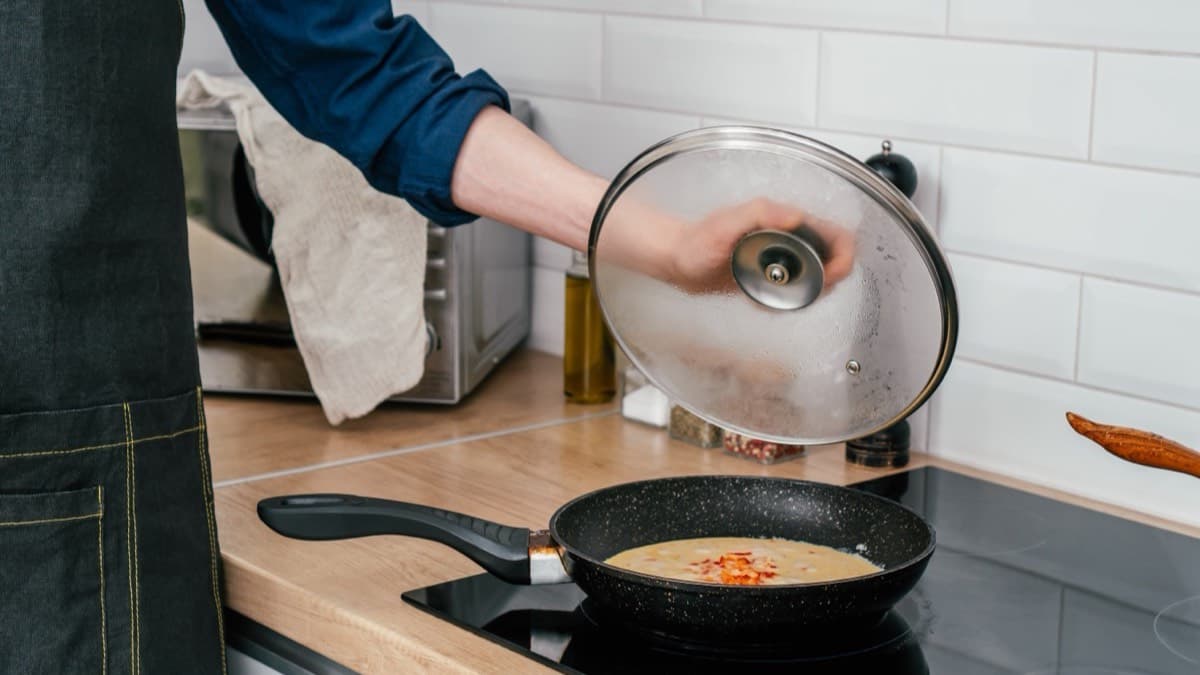
No. Sprinklers respond to a fast rise in temperature, not to smoke.
Do fire sprinklers cause a lot of water damage?
A home sprinkler puts much less water on a fire than a fire department hose does.
Sources
Checked October 20, 2026
- U.S. Fire Administration. Home fire sprinklers (2026)
- U.S. Fire Administration. Home fire sprinklers save lives (2026)
- U.S. Fire Administration. Learn about fire (2026)
- Owner
- Tenant
- Fire