Explainer
Hurricane shutters, impact windows and plywood explained
Windows are the weak point of a house in a hurricane, and impact glass, permanent shutters, storm panels and plywood each protect them in a different way.
Satisfy+ Editorial · Published May 26, 2026 · 3 min read
At a glance
- Impact windows
- Always in place, nothing to put up
- Permanent shutters
- Rolldown, accordion, Bahama and colonial
- Storm panels
- Steel, aluminum, polycarbonate or fabric on fixed tracks
- Plywood
- Structural panels at least 7/16 inch thick
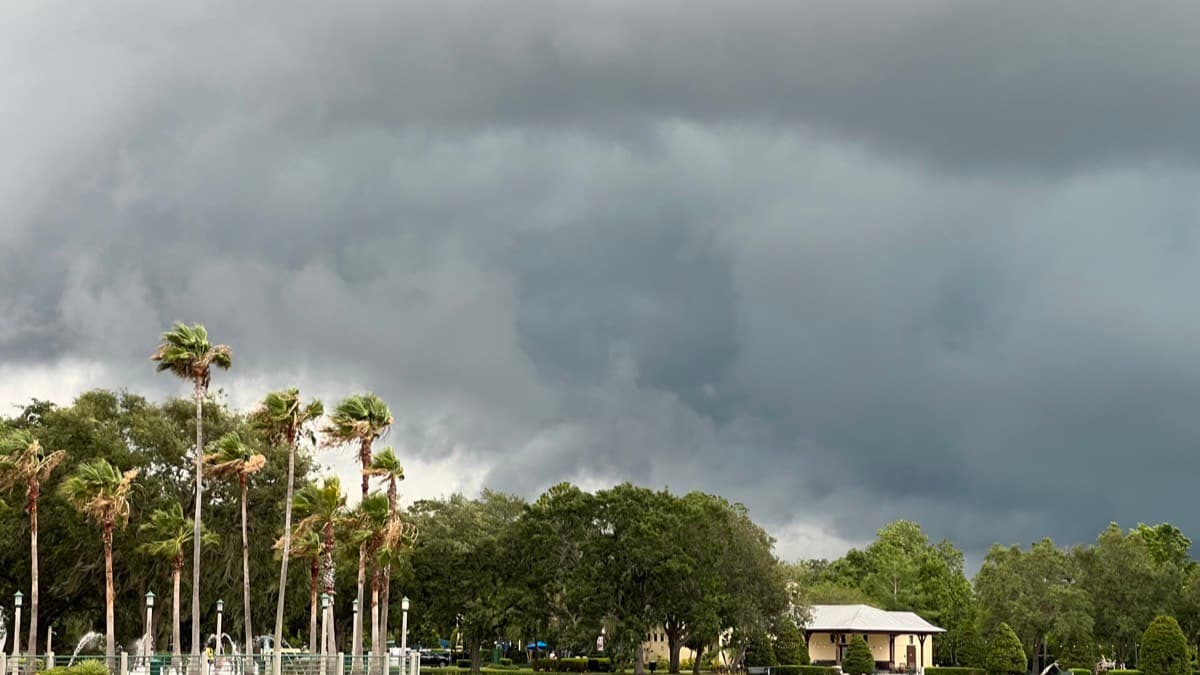
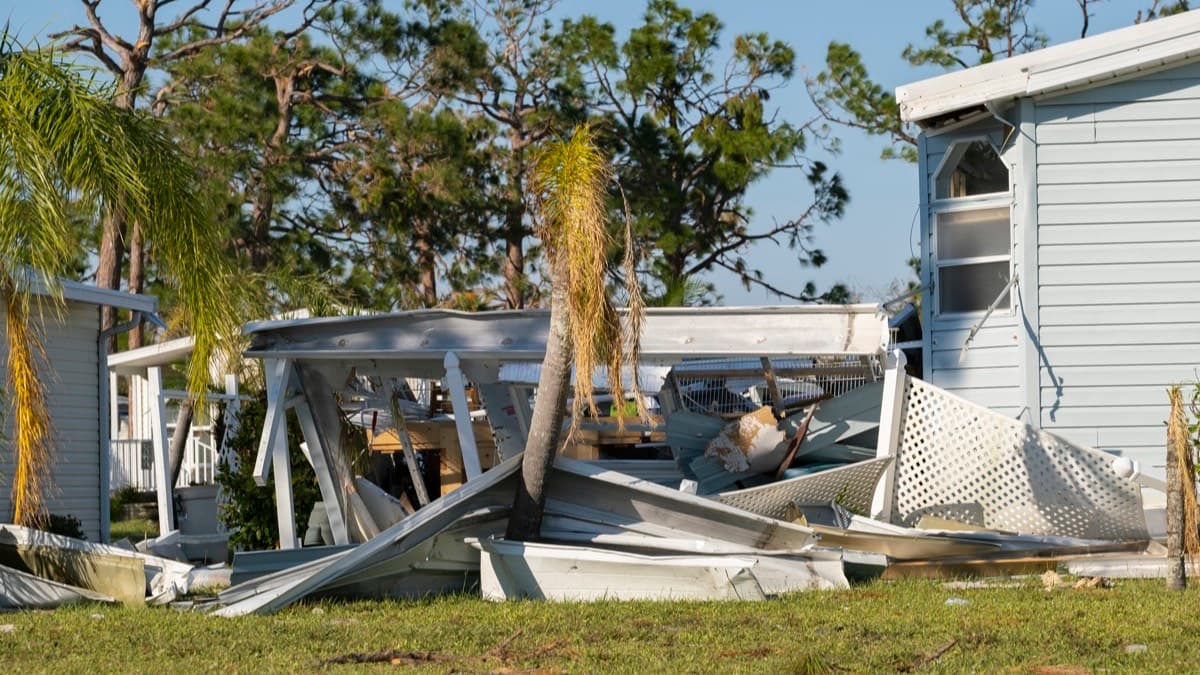
Windows are the most vulnerable part of a house in a hurricane. Wind-borne debris such as tree limbs, building materials and patio furniture can shatter an unprotected window or glass door. Once one breaks, wind and rain pour in. The wind can then pressurize the house from the inside, blowing out other windows and doors, and even lifting the roof off.
There are two ways to keep that from happening. The glass itself can be made to resist impact, or a covering can be put over the glass before the storm.
The kinds of glass
- Annealed glass is the ordinary glass most windows are made of. It breaks into large, sharp pieces.
- Tempered glass is heated and cooled fast, which makes it up to five times stronger than ordinary glass. When it does break, it shatters into small, pebble-sized bits without sharp edges.
- Laminated glass is two or more panes bonded to a thin layer of film or vinyl. The layer keeps the glass in one piece when it cracks.
- Impact-resistant glass combines these, usually in a heavier frame. On impact, the outer pane may break, while the laminated inner pane cracks in a spider-web pattern and stays in the frame.
Impact-resistant windows and doors
Impact windows need nothing done before or after a storm. The protection is there even when you're away, the view stays open, and nothing has to be stored or carried up a ladder. Frames come in aluminum, vinyl and wood like ordinary windows. For a skylight, impact-resistant glazing is the only option.
Permanent shutters
Permanent shutters stay mounted on the house, ready to close. The main types are rolldown, accordion, Bahama (or Bermuda) and colonial. Some can be closed from inside, which helps on windows that are hard to reach from the ground. Older clamshell awning shutters may not be rated for impact at all.
Storm panels
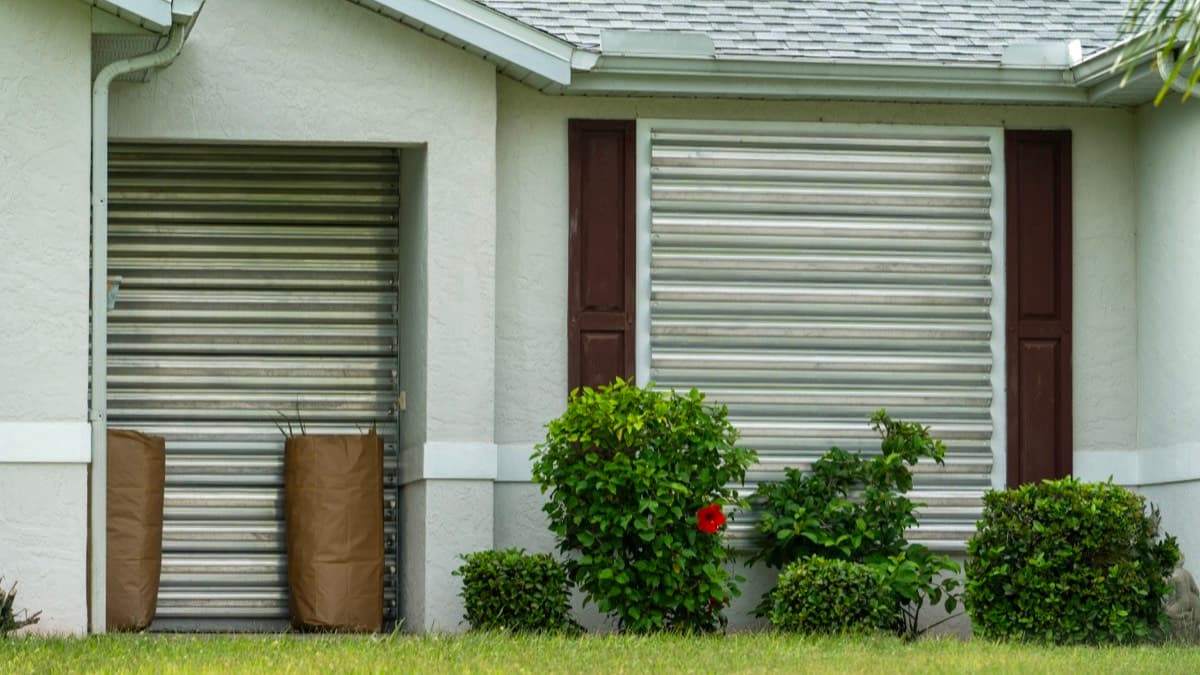
Storm panels go up before a storm and come down after it, and spend the rest of the year in a garage or shed. They're made of corrugated steel, aluminum, polycarbonate or fabric.
Most slide into tracks mounted above and below the window frame and fasten with wing nuts to studs on the track. The tracks and studs stay on the house, so the hardware needs to resist corrosion. Clear polycarbonate and many fabric panels let light in. Labeling each panel with the window it fits speeds up the job when a storm is coming.
Plywood
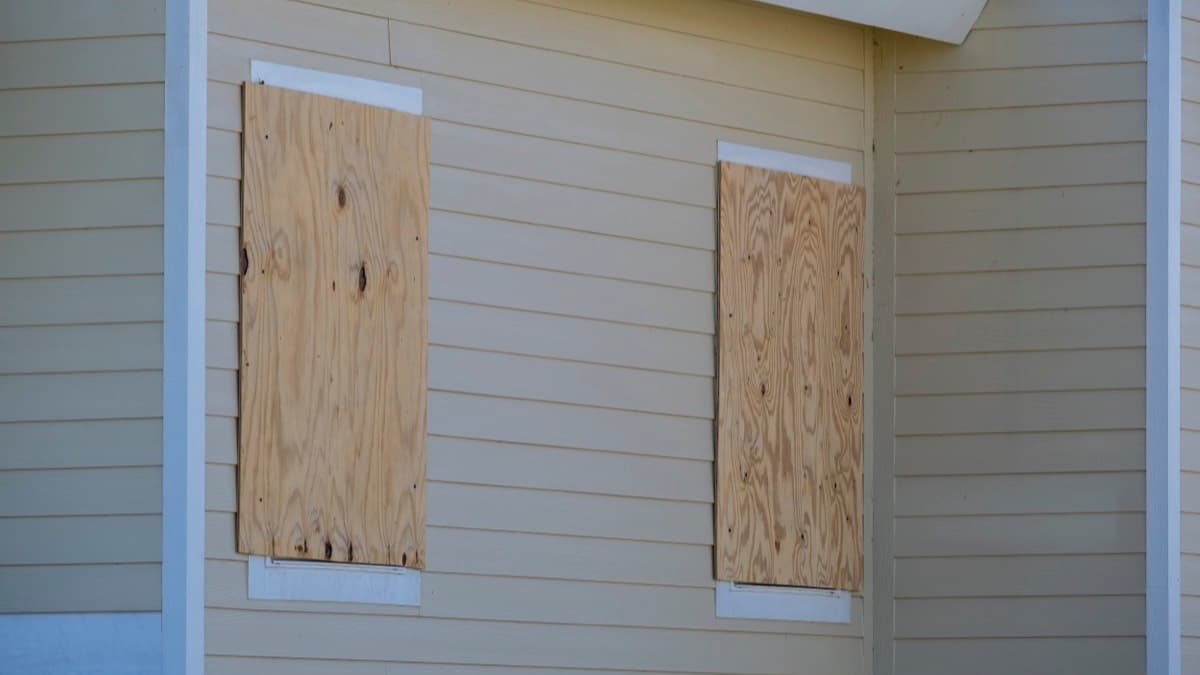
Wood structural panels such as plywood, at least 7/16 inch thick and fastened with screws, can cover a window. Like storm panels, they have to be put up before each storm. Putting panels up on second-floor windows means ladder work, which is a job to hire out.
Ratings
Impact-resistant windows, shutters and panels are tested and labeled to ASTM E1996 and ASTM E1886, or AAMA 506. Protection is generally recommended in hurricane-prone regions, especially where the design wind speed is 130 mph or more.
Check shutters and panels once a year, before the season starts.
An annotated example
What to do next
Check the labels on any shutters, panels or impact windows you already have for an ASTM or AAMA rating. Before the season, put up any storm panels once to make sure each one fits and the hardware is sound. Hurricane season prep in May covers the rest of the house.
Get the windows ready for hurricane season
- Check each window covering's label for an impact rating
- Check each shutter and storm panel before the season
- Label each storm panel with the window it fits
FAQ
Is plywood good enough for hurricane protection?
Structural wood panels at least 7/16 inch thick, fastened with screws, can protect a window. They have to be put up before each storm.
What is the difference between tempered and impact-resistant glass?
Tempered glass is up to five times stronger than ordinary glass and breaks into small pieces. Impact-resistant glass adds a laminated layer, so cracked glass stays in the frame.
Do impact windows need shutters too?
No. Impact-resistant windows protect the opening on their own, with nothing to put up before a storm.
Sources
Checked October 20, 2026
- U.S. Department of Energy, Building America Solution Center. Windows have impact-rated glass, fire-resistant glass, or protective coverings (2026)
- Hurricane
- Owner
- Gulf and Atlantic
- Windows and doors