Guide
After the hurricane, safety first and then the photos
Get back into the house safely after a hurricane, keep the generator and the floodwater from hurting anyone, and photograph the damage before the cleanup starts.
Satisfy+ Editorial · Published July 16, 2026 · 3 min read
At a glance
- Generator
- Outside, at least 20 feet from windows, doors and vents
- Floodwater
- Six inches moving can knock you down
- Damaged building
- Wait until it's declared safe
- Before the cleanup
- Photograph the damage
The risk of injury is high in the days after a hurricane, from the storm's damage and from the cleanup. Phone lines are often down or jammed, so save calls for emergencies and use texts to reach family. Follow what local officials say about going home, the roads and the water.
Getting back into the house
Don't go into a damaged building until local officials say it's safe, and get out if you hear shifting or unusual noises. Watch for power lines hanging overhead or lying on the ground, keep clear of them and call the electric company. Don't touch electrical equipment that's wet or while you're standing in water. If it's safe to reach, turn the power off at the main breaker or fuse box. Have an electrician check any wet appliance or device before it's used again.
Generators and carbon monoxide
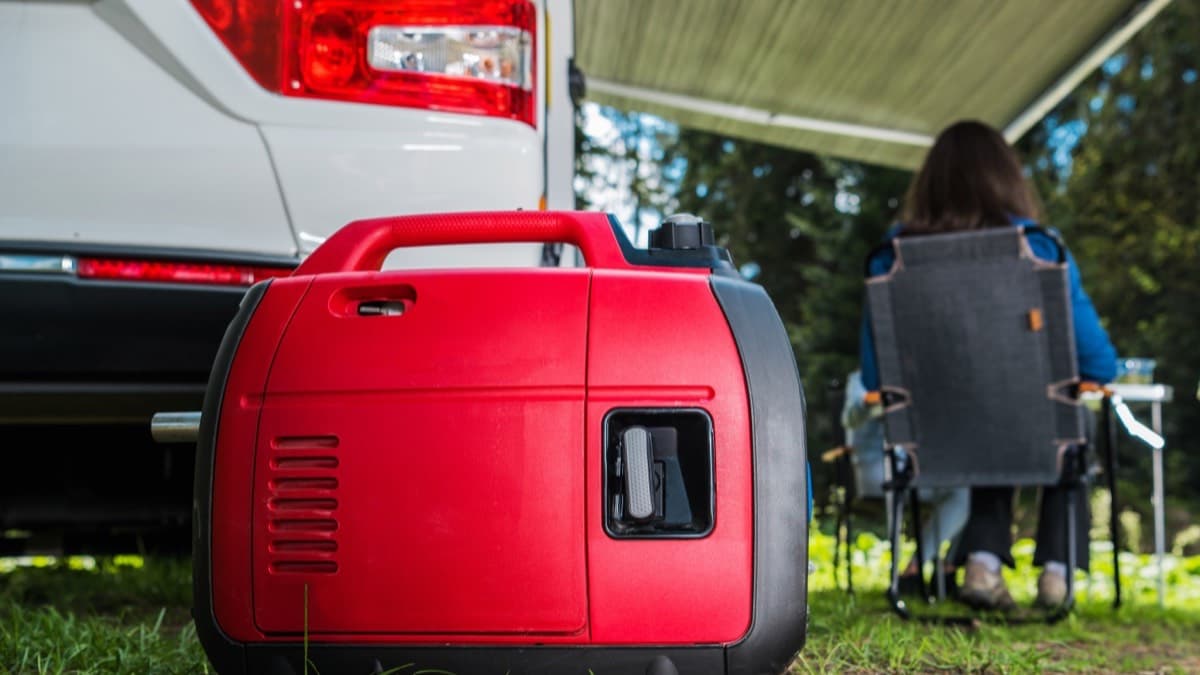
Never run a generator, a camp stove or other gas or coal-burning equipment inside the house, the basement or the garage. Keep a generator outside and at least 20 feet from any window, door or vent. Run a battery-powered carbon monoxide alarm whenever anything that burns fuel is running, and if it sounds, get everyone out and call 911. Use flashlights rather than candles when the power is out.
Floodwater, food and water
Six inches of fast-moving water can knock a person down, and a foot can sweep a car away, so don't walk, swim or drive through floodwater. Wash your hands with soap and water after any contact with it. Follow local officials' advice on whether the tap water is safe. Use bottled, boiled or treated water for drinking, cooking, baby formula and ice. Throw out any food that touched floodwater, and any perishable food that went unrefrigerated in the outage.
Cleanup and the photos
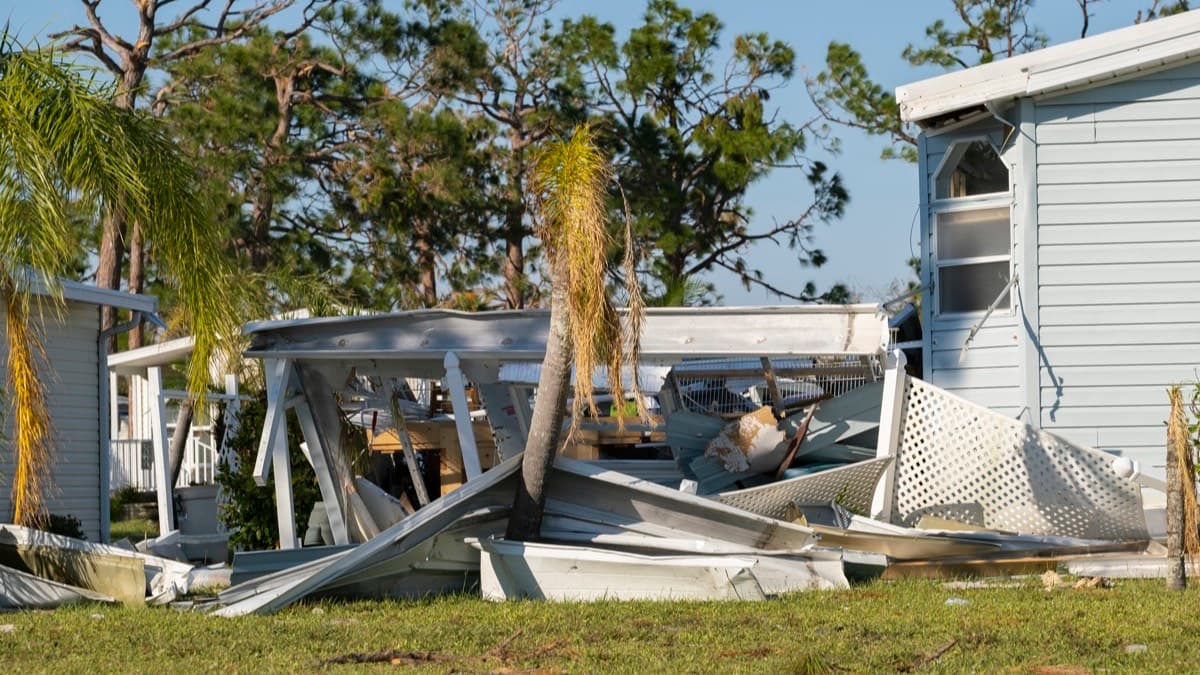
Before the cleanup, photograph the damage in every room and outside, then contact the insurance company. Wear protective clothing, work with someone else and wear a mask when cleaning up mold or debris. Children shouldn't help with disaster cleanup. People with asthma or other lung conditions, or a weakened immune system, should stay out of a building with leaks or mold they can see or smell.
An annotated example
What to do next
Go back only when officials say the area is safe. Walk the outside first for lines and structural damage, set the generator up well away from the house, and photograph everything before you clean. Then call the insurance company. After a flood, drying out and throwing away covers the cleanup itself.
Work through the house after the storm
- Photograph the damage in every room and outside
- Call the insurance company about the damage
- Call the electric company about any fallen power line
- Have an electrician check anything that got wet
FAQ
How far from the house should a generator be after a hurricane?
At least 20 feet from any window, door or vent, and never inside the house, basement or garage.
Should I photograph hurricane damage before cleaning up?
Yes. Photograph the damage, then contact your insurance company.
Is it safe to walk through floodwater?
No. Six inches of fast-moving water can knock you down.
Sources
Checked October 19, 2026
- Centers for Disease Control and Prevention. Staying safe after a hurricane or other tropical storm (2026)
- Ready.gov (FEMA). Hurricanes (2026)
- Power outage
- Carbon monoxide
- Hurricane
- Owner
- Southeast
- Tenant
- Hot humid
- Flood