Explainer
Landslides and debris flows after a wildfire
Learn why a burned slope can send mud and debris downhill for years after a fire, the signs that the ground is moving, and when to leave.
Satisfy+ Editorial · Updated October 14, 2026 · 3 min read
At a glance
- After a fire
- Landslide risk stays higher for several years
- The fast kind
- Debris flows, with little warning
- Best protection from a debris flow
- Leaving in time
- Warning sounds
- Rushing water, cracking trees, knocking boulders
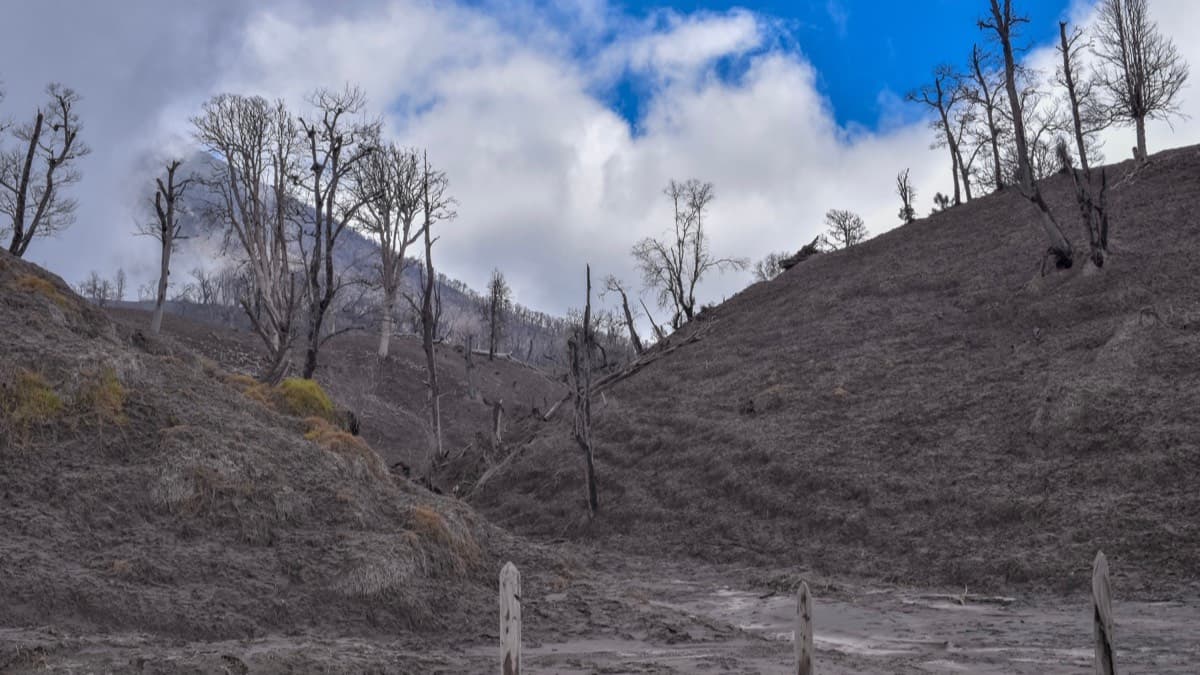
A landslide is rock, mud or debris moving down a slope. A wildfire that burns a slope raises the chance of landslides there for several years. The deadliest are the fast ones, such as debris flows, which can arrive with little notice. Zoning, inspections and good design can reduce many landslide problems, but leaving in time is often the only way to stay safe from a fast-moving flow.
Signs of a fast-moving flow
During heavy rain near a burn area, listen and watch for rushing water or mud. Trees cracking or boulders knocking together can mean debris is moving, and a faint rumble that grows louder means a landslide is getting close. Near a stream, a sudden rise or drop in the water, or water that turns from clear to muddy, can mean a flow is coming. By the time you're sure a debris flow is coming, it's too late to get away safely. Many landslide deaths happen while people sleep, so stay awake and alert through a storm that could set one off.
Signs of a slow one
Some landslides creep, sometimes less than three feet a year, and damage the house and land over time.
- Doors or windows that stick for the first time
- New cracks in plaster, tile, brick or the foundation
- Outside walls, walkways or stairs pulling away from the house
- Cracks that widen in the ground, the street or the driveway
- Bulging ground at the base of a slope
- Water coming up through the ground in new places
- Fences, retaining walls, utility poles or trees that tilt or move
Protecting the house
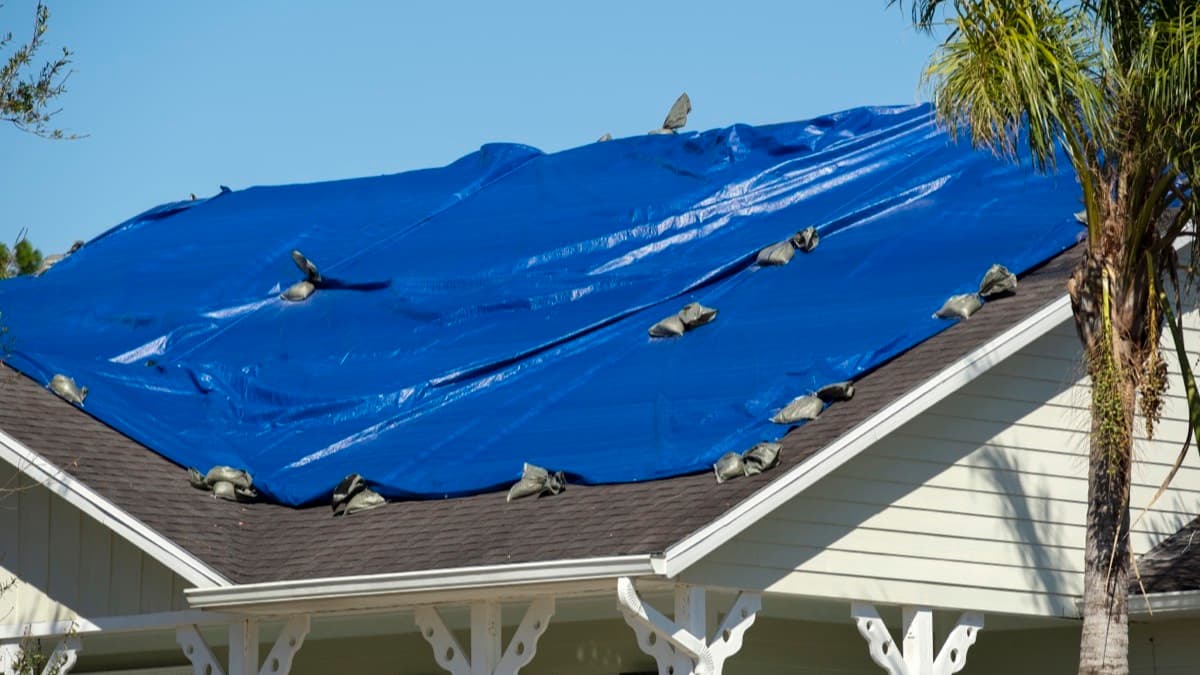
You can't stop a debris flow or change its path. Sandbags, retaining walls or concrete barriers may keep floodwater or mud off the property. A geotechnical engineer can advise on the right protection for a particular slope, such as flexible pipe fittings that resist breaking. Channels or deflection walls can steer a smaller flow around a house, though not a large one.
An annotated example
What to do next
If you live below a slope that burned, sign up for the emergency alerts for the burn area and watch the forecast. Plan where the household and the pets will go, and leave when you're told to or when it feels unsafe to stay. Never cross a road with water or mud flowing over it. After a slide, stay out of the slide area, report broken utility lines and damaged roads, and replant bare ground as soon as you can to slow erosion.
Get ready for debris flows near a burn area
- Sign up for the emergency alerts that cover the burn area
- Plan where the household and the pets go if told to leave
- Book a geotechnical engineer to look at the slope
FAQ
How long after a wildfire is there a risk of landslides?
For several years after a fire burns a slope.
What are the warning signs of a debris flow?
Rushing water or mud, trees cracking, boulders knocking together, a rumble that grows louder, and a stream that suddenly rises, drops or turns muddy.
Can I stop a debris flow from reaching my house?
No. Sandbags or retaining walls may keep some mud off the property, but leaving in time is the way to stay safe.
Sources
Checked October 19, 2026
- Ready.gov (FEMA). Landslides and debris flow (2026)
- Mountain
- West coast
- Foundation
- Owner
- Tenant
- Wildfire
- Flood