Checklist
Medical oxygen at home and the fire risk
Oxygen makes things burn faster, so keep flames, heaters and electric appliances 6 feet from it, never smoke near it, and tell the fire department it's in the house.
Satisfy+ Editorial · Published August 25, 2026 · 2 min read
At a glance
- Distance
- 6 feet from flames, heaters and electric appliances
- Smoking
- Never in a room where oxygen is in use
- Tell
- The fire department, power company and phone company
- Power outage
- A backup tank for a concentrator
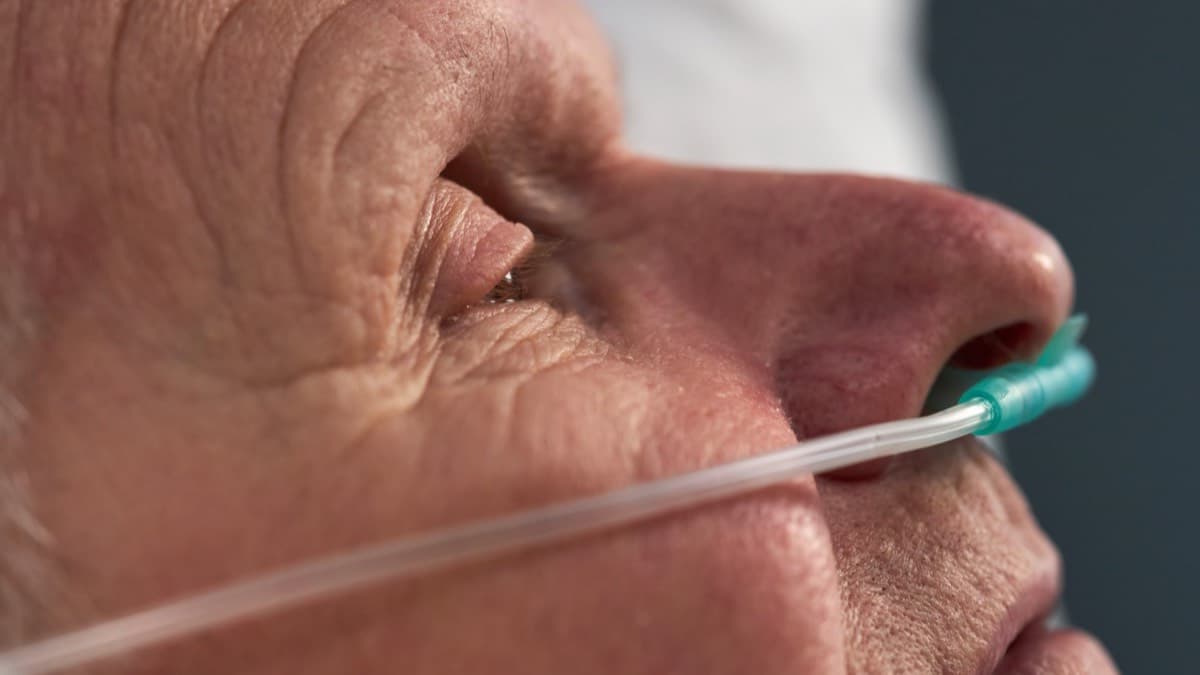
Oxygen makes things burn much faster, the way blowing on a fire makes the flame bigger. Medical oxygen can explode if a flame or spark is nearby, and it can still catch fire when it's turned off. Oxygen at home is stored under pressure in tanks or made by a machine called a concentrator.
Smoking
- Never let anyone smoke in a room where oxygen is usedThat includes visitors and family members.
- Put a "No smoking" sign in every room where oxygen is used
- Keep 6 feet from any flame when outIn a restaurant, sit at least 6 feet from a stove, fireplace or tabletop candle.
Keep it 6 feet away from
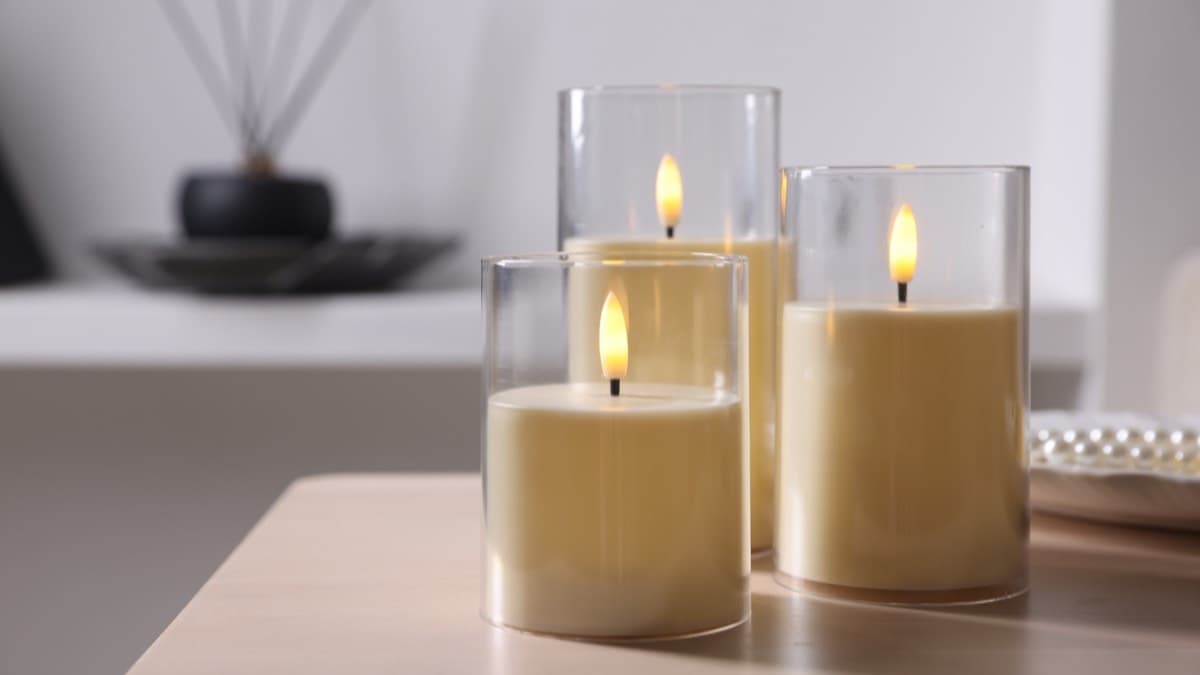
- Open flamesThat means wood stoves, fireplaces and candles.
- HeatersThat includes electric baseboard heaters and space heaters.
- Electric appliances that can sparkThese include electric blankets, hair dryers, electric razors and electric toothbrushes, and toys with electric motors.
In the kitchen
- Keep the oxygen away from the stovetop and oven
- Watch for splattering greaseIt can catch fire.
- Keep children who use oxygen away from the stove and oven
- A microwave is usually fine to cook with
Make the house safe for medical oxygen
- Put a no-smoking sign in each room where oxygen is used
- Call the fire department and power company about the oxygen
- Keep a backup oxygen tank for power outages
Around the house
- Have working smoke alarms and a fire extinguisherIf the oxygen moves around the house, more than one extinguisher in different places may be needed.
- Store oxygen where air can move around itDon't keep it in a car trunk, a box or a small closet. Under the bed is fine if air can move freely there.
- Keep flammable liquids away from itThat includes cleaning products with oil, grease or alcohol in them.
- Skip petroleum jelly on the face and upper bodyAloe vera and water-based products are safe for dry lips and nose. Ask the health care provider before using any petroleum-based cream.
- Keep the tubing out of the wayTaping it to the back of a shirt helps prevent tripping, and children should be taught not to get tangled in it.
Telling people
- Tell the local fire department, power company and phone companyThe power company will try to restore power sooner to a home that uses oxygen. Keep their numbers where they're easy to find.
- Tell family, neighbors and friendsThey can help in an emergency.
- Keep a backup tank if you use a concentratorA concentrator needs electricity, so a tank of oxygen covers a power outage.
FAQ
How far should oxygen be kept from a flame?
At least 6 feet from flames, heaters and electric appliances such as hair dryers and electric blankets.
Can someone smoke near medical oxygen if it's turned off?
No. Oxygen can still catch fire when it's turned off.
Can I cook while using oxygen?
Keep the oxygen away from the stovetop and oven and watch for splattering grease. A microwave is usually fine.
Sources
Checked October 20, 2026
- MedlinePlus, U.S. National Library of Medicine. Oxygen safety (2026)
- MedlinePlus, U.S. National Library of Medicine. Using oxygen at home (2026)
- U.S. Fire Administration. Smoking fire safety (2026)
- Owner
- Tenant
- Fire