Checklist
Poison prevention at home
Lock up the medicines and cleaners, keep everything in its own container, put in a carbon monoxide alarm, and save the Poison Help number.
Satisfy+ Editorial · Published October 16, 2026 · 2 min read
More than 90 percent of poisonings happen at home, mostly in the kitchen, the bathroom and the bedroom. Teach everyone in the house never to touch or taste something unless they know what it is. Then go through those rooms with this list, and save the number to call if it happens anyway.
Medicines
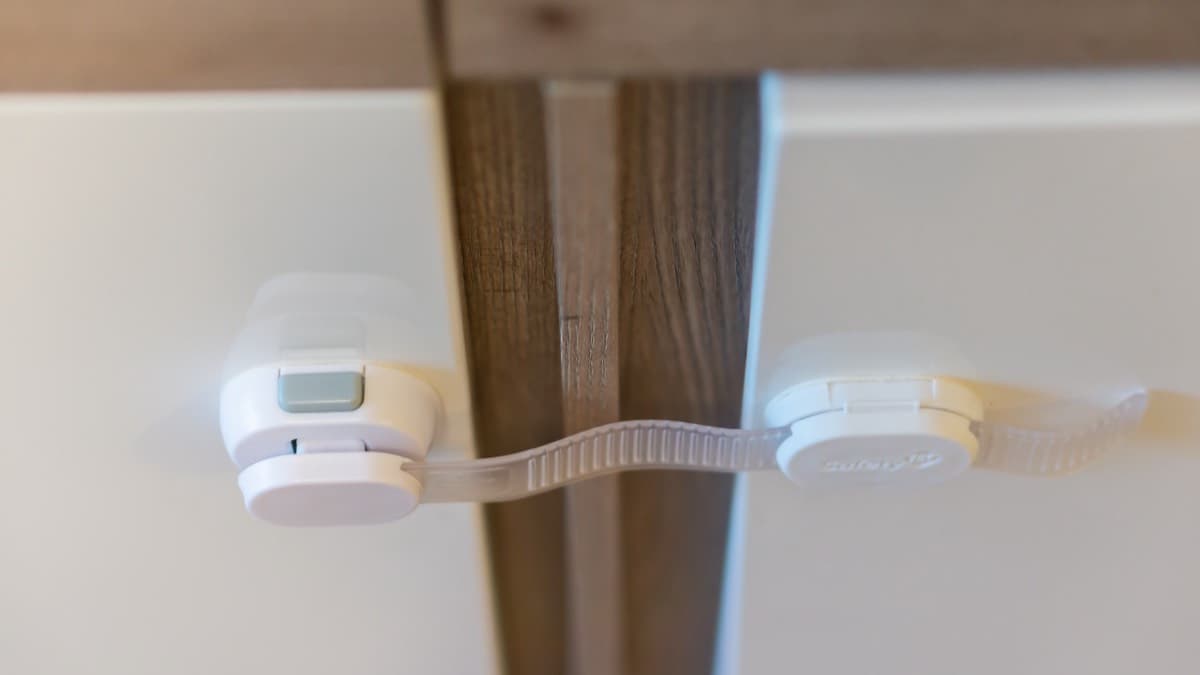
- Keep medicines locked up or out of reachPut them where young children can't reach them or see them.
- Lock the safety cap every timeThen put the bottle straight back where it lives.
- Keep medicines in their original bottlesThe label has the dose and the warnings.
- Measure a child's dose with the cup or syringe that came with itA kitchen spoon isn't accurate.
- Check the active ingredientsTwo medicines can contain the same one, which doubles the dose.
- Turn on a light before taking medicine
- Never share prescription medicinesIf you take more than one drug, ask your pharmacist or the Poison Help line whether they interact.
Cleaners and chemicals
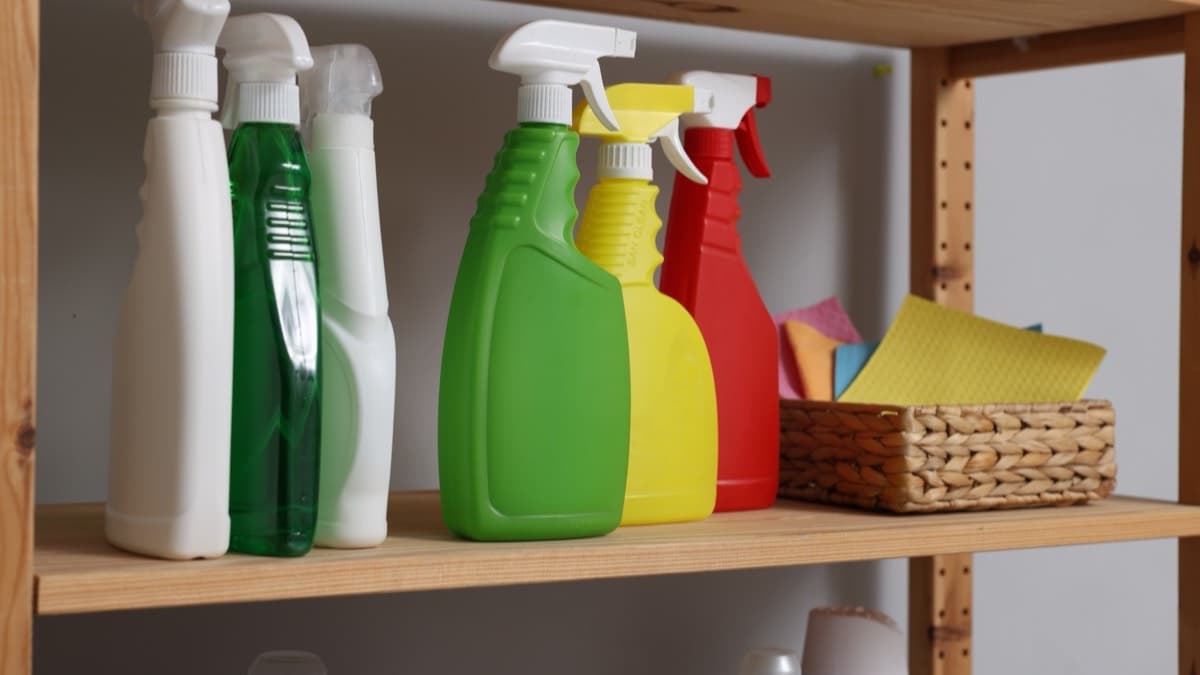
- Store cleaners and chemicals up high or locked awayLaundry pods and detergent too.
- Keep products in their original containersThat includes antifreeze.
- Never put a cleaner or chemical in a cup, bottle or food container
- Never mix cleaning productsSome combinations give off a dangerous gas. Mix bleach with nothing but water.
- Follow the label each time you use a cleaner
- Never use bleach or other cleaning products on food
Around the house
- Keep art supplies in their original containersSome are mixtures of chemicals. Children should wash their skin after using them, and not eat or drink while they work.
- Learn which plants and mushrooms in your area are poisonousYour local poison center can tell you.
The air
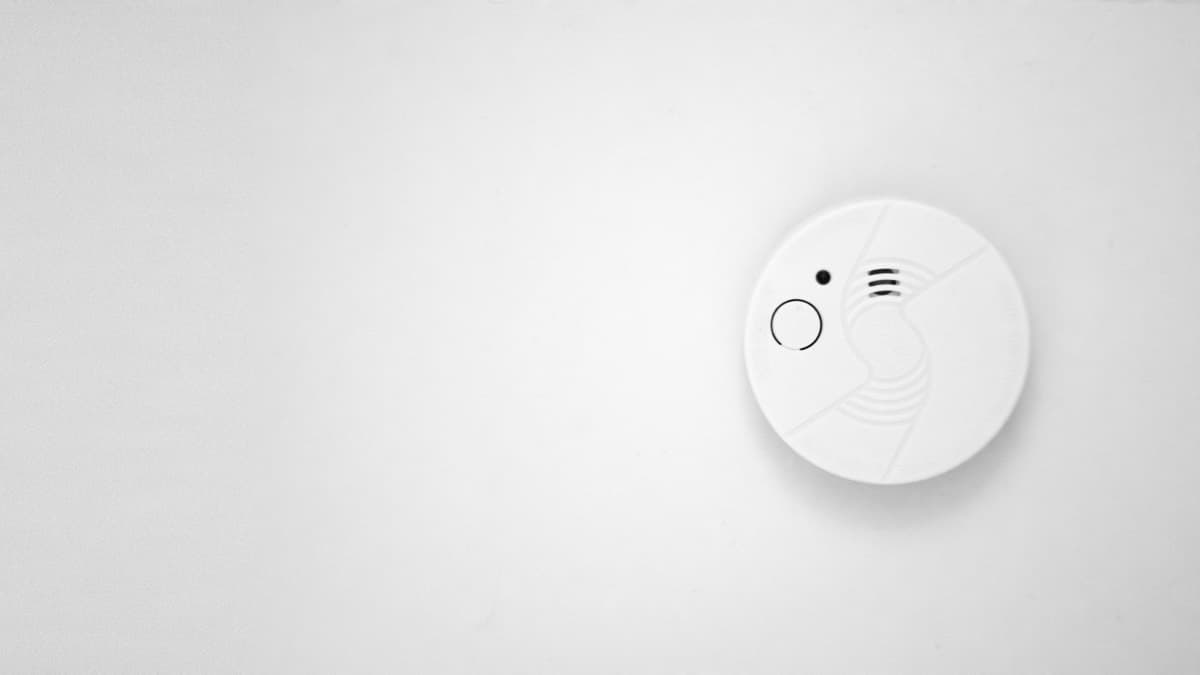
- Put in a carbon monoxide alarm, battery or plug-inThe best places are near the bedrooms and close to the furnace.
If it happens
- Save 1-800-222-1222 in your phoneIt reaches your local poison center from anywhere in the U.S. The call is free and confidential, with interpreters in 161 languages.
- Call right away, before any symptomsIf the person isn't breathing, call 911 instead.
- Give first aid while you callGet someone who breathed in a poison into fresh air. Rinse poison off the skin or out of the eyes with running water for 15 to 20 minutes. Don't give activated charcoal.
- Have the container in your handThe poison center will ask what's on the label, the person's age and weight, how much they took and how long ago.
Walk the house for poisons
- Save 1-800-222-1222 in every phone in the house
- Move medicines and cleaners up high or behind a lock
- Check the carbon monoxide detectors near the bedrooms
Most people who call get the help they need over the phone, without a trip to the doctor or the hospital. Smoke and carbon monoxide alarms covers where the CO alarms go and how to test them.
Sources
Checked October 19, 2026
- Health Resources and Services Administration, Poison Help. Prevention tips (2026)
- Health Resources and Services Administration, Poison Help. What you can do (2026)
- Health Resources and Services Administration, Poison Help. About us (2026)
- Centers for Disease Control and Prevention. Medication safety and your health (2024)
- Carbon monoxide
- Owner
- Tenant