Explainer
VOCs and formaldehyde in the house
Learn which household products and materials give off volatile organic compounds and formaldehyde, what they can do to your health, and how ventilation and storage cut exposure.
Satisfy+ Editorial · Published May 29, 2026 · 4 min read

At a glance
- Indoors
- Several of these chemicals average 2 to 5 times higher than outdoors
- While stripping paint
- Up to 1,000 times outdoor levels
- Short-term effects
- Eye, nose and throat irritation, headaches, nausea
- Biggest fixes
- Fresh air while you work, and fewer stored containers
Volatile organic compounds (VOCs) are gases given off by certain solids and liquids, and the products that release them number in the thousands. Organic solvents are an ingredient in paint, varnish and wax. Many cleaning, disinfecting, degreasing and hobby products contain them too, and fuels are made of organic chemicals. All of them can release these compounds while you use them and, to some degree, while they sit in storage. Levels of several of these chemicals average 2 to 5 times higher inside homes than outside, whether the house is rural or in an industrial area.
Where they come from
- Paint, paint strippers and other solvents
- Wood preservatives
- Aerosol sprays
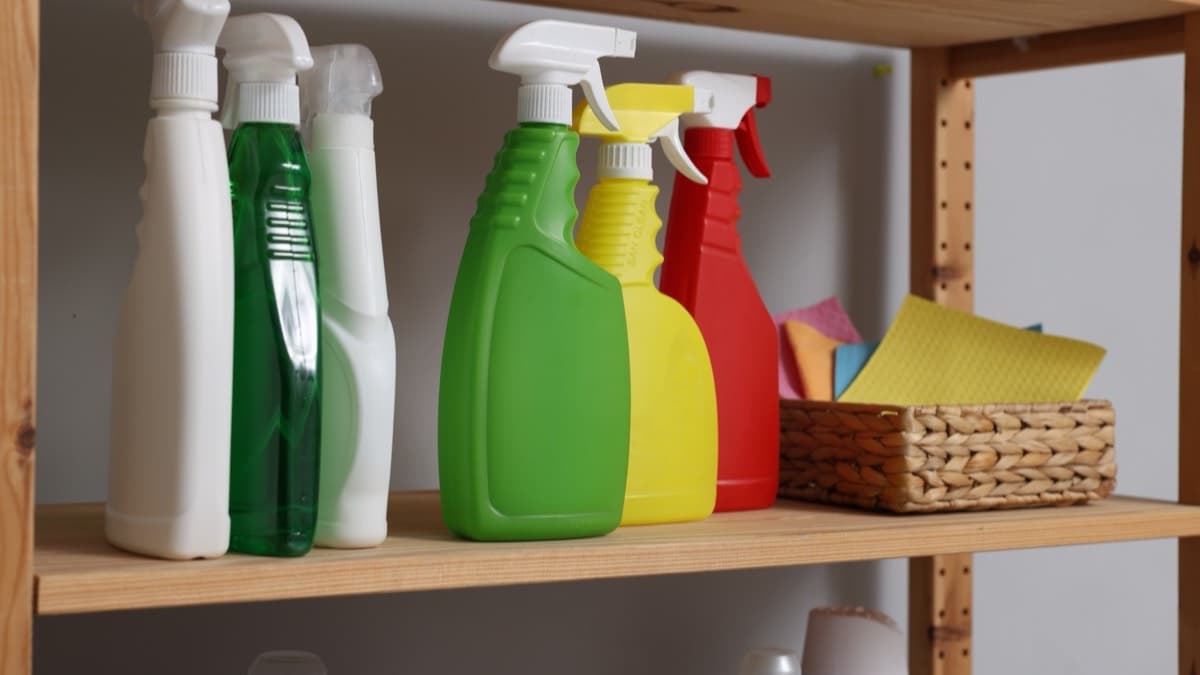
- Cleansers and disinfectants
- Moth repellents and air fresheners
- Stored fuels and car products
- Hobby supplies, glues, adhesives and permanent markers
- Dry-cleaned clothing
- Pesticides
- Building materials, furnishings, and printers and copiers
Formaldehyde
Formaldehyde is one of the best-known VOCs. It's a colorless gas with a strong odor, and it's one of the few indoor air pollutants that can be readily measured. It's in the resins that bind composite wood such as hardwood plywood, particleboard and medium-density fiberboard. It's also in some building materials and insulation, glues, permanent press fabrics, paints, lacquers and finishes. Smoke from cigarettes and exhaust from unvented fuel-burning appliances such as gas stoves and kerosene space heaters carry it too. Everyone breathes small amounts that off-gas from products like composite wood. It can irritate the skin, eyes, nose and throat, and high levels may cause some types of cancer.
What they can do to your health
How much harm a VOC does depends on the chemical, how much of it is in the air and for how long. Some are highly toxic and some have no known effect. Effects can include eye, nose and throat irritation, headaches, loss of coordination and nausea, and damage to the liver, kidneys and central nervous system. Some cause cancer in animals, and some are suspected or known to cause cancer in people. Not much is known about the effects of the levels usually found in homes.
The highest levels come while you're using a product. During paint stripping and for several hours after, levels can reach 1,000 times the outdoor background, and they can stay high long after the work stops.
Three chemicals are worth keeping to a minimum:
- Methylene chloride, in paint strippers, adhesive removers and aerosol spray paints, causes cancer in animals, and the body converts it to carbon monoxide. Use these products outdoors when you can.
- Benzene, a known human carcinogen, comes from tobacco smoke, stored fuels, paint supplies and car exhaust in an attached garage.
- Perchloroethylene, the main dry-cleaning chemical, causes cancer in animals. If dry-cleaned clothes smell strongly of chemicals when you pick them up, leave them until they've been properly dried.
Cutting your exposure
- Follow the label's precautions, and never mix household products unless the label tells you to.
- Where a label says to use a product in a well-ventilated area, work outdoors or where an exhaust fan runs. Otherwise open the windows as wide as you can.
- Keep only as much paint, stripper, kerosene or gasoline as you'll use soon. Gases leak even from closed containers.
- Store what you keep in a well-ventilated spot, out of reach of children and pets.
- Don't throw unwanted products in the garbage. Take them to a household hazardous waste collection.
- Where formaldehyde comes from paneling or furniture you can't remove, a sealant on every exposed surface reduces it.
An annotated example
What to do next
Walk the basement, the garage and the cleaning cupboard, and pull out old paint, solvents and fuel you won't use. Find your community's household hazardous waste collection for them. Open windows or run an exhaust fan whenever you paint, strip or use solvents indoors. Storing household chemicals covers safe storage.
Cut the chemical fumes at home
- Clear out old paint, solvents and fuel you won't use
- Find the next household hazardous waste collection day
FAQ
What are VOCs?
Gases given off by products such as paint, solvents, cleaners, fuels and some building materials. Several average 2 to 5 times higher indoors than outdoors.
Where does formaldehyde in a house come from?
Mostly the resins in composite wood such as particleboard and plywood, plus some glues, finishes, fabrics, insulation, tobacco smoke and unvented fuel-burning appliances.
How do I reduce VOCs at home?
Ventilate while you use these products, keep fewer containers in storage and take unwanted ones to a household hazardous waste collection.
Sources
Checked October 20, 2026
- U.S. Environmental Protection Agency. Volatile organic compounds' impact on indoor air quality (2026)
- U.S. Environmental Protection Agency. Facts about formaldehyde (2026)
- Owner
- Interior
- Garage
- Tenant
- DIY