How-to
Composting at home in a backyard pile
Build a backyard compost pile from dry leaves and food scraps, keep it damp and turn it now and then, and have finished compost in three to five months.
Satisfy+ Editorial · Updated June 30, 2026 · 3 min read · 1 hr to do · Under $100
At a glance
- The mix
- Two to three parts browns to one part greens
- Moisture
- Like a wrung-out sponge
- Ready in
- About three to five months, tended
- Keep out
- Meat, dairy, grease and pet waste
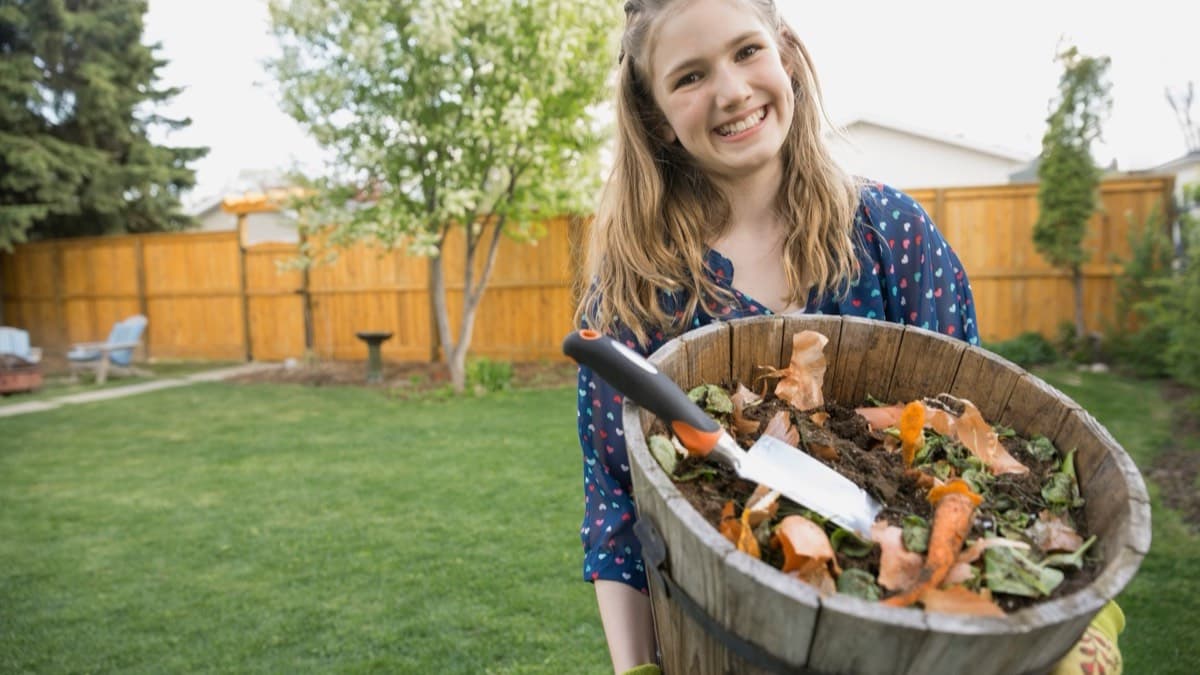
Composting turns kitchen scraps and yard trimmings into material that improves garden soil, with little equipment or expense. Microorganisms break the pile down. They need carbon, nitrogen, water and oxygen, so a working pile keeps all four in balance.
What you need
- A spot in the yard that's easy to reach all year, drains well and has water nearby
- A bin, built from wire, wood or cinder blocks, or bought as a barrel or tumbler
- A closed container for food scraps in the kitchen
- A garden fork
Steps
- 1
Collect browns and greens
Greens are nitrogen-rich: fruit and vegetable scraps, grass clippings, coffee grounds and filters, paper tea bags and crushed eggshells. Browns are carbon-rich: dry leaves, stalks and twigs, shredded plain paper and brown bags, shredded cardboard and untreated wood chips.
10 min
- 2
Leave out what doesn't belong
Meat, fish, bones, dairy, fats and grease attract animals and don't fully break down in a backyard pile. Also leave out herbicide-treated plants, weeds with seeds, diseased plants, treated or painted wood, and pet waste.
5 min
- 3
Set the bin in place
Keep it off the fence line. The pile breaks down in sun or shade. A lid, and no gaps larger than a quarter inch, help keep pests out.
15 min
- 4
Lay a base of bulky browns
Start with 4 to 6 inches of twigs and wood chips, which absorb liquid and let air in at the bottom.
10 min
- 5
Layer greens and browns
Add at least two to three times as much brown as green by volume, and keep food scraps covered with 4 to 8 inches of browns. Chop tough scraps first so they break down faster.
15 min
- 6
Check the moisture
The mix should feel like a wrung-out sponge. Add a little water if it's dry. When it's damp throughout and every scrap is covered, the pile is built.
5 min
Start a backyard compost pile
- Pick a well-drained spot for the compost pile
- Set a lidded container for food scraps in the kitchen
- Turn the compost pile with a garden fork
Keeping it going
A well-kept pile heats up, especially in the center, reaching 130 to 160 degrees, which helps cut down pathogens and weed seeds. Turning it with a fork from time to time lets air in and speeds it up. If it isn't working:
- Too dry and not working. Moisten it and turn it.
- A bad smell. It's too wet or needs air. Add browns and turn it.
- Not heating up. Mix in greens and turn it.
When it's ready
When the pile stops heating after mixing and no food scraps show, let it cure for at least four weeks. A tended pile is ready in about three to five months, and an untended one may take a year. Finished compost is dark, loose and crumbly and smells like fresh soil. Sift out what didn't break down and add it back to the pile.
If something goes wrong
FAQ
What is the ratio of browns to greens in compost?
Two to three parts browns to one part greens, by volume.
How long does compost take?
About three to five months for a well-kept pile, and up to a year if it's left alone.
Sources
Checked October 19, 2026
- U.S. Environmental Protection Agency. Composting at home (2026)
- Yard
- Owner
- Under $100
- Beginner
- DIY