Explainer
Houseplants toxic to cats and dogs, and some that aren't
Lilies are toxic to cats and sago palms to dogs and cats, while spider plants, Boston ferns and African violets are non-toxic to both.
Satisfy+ Editorial · Published July 6, 2026 · 2 min read
At a glance
- Lilies
- Toxic to cats, with kidney failure possible
- Sago palm
- Toxic to dogs and cats
- Non-toxic
- Spider plant, Boston fern, parlor palm, African violet
- If a pet eats a plant
- Call your vet or ASPCA Poison Control
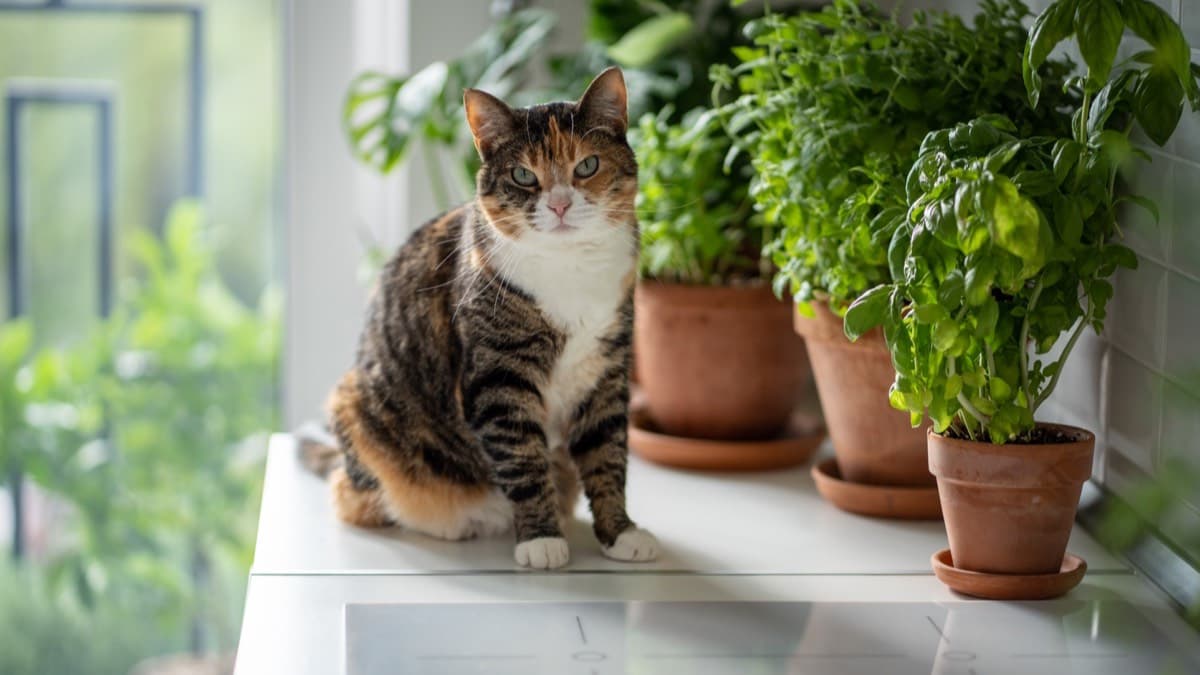
Any plant can make a dog or cat vomit or upset its stomach. Plants that are non-toxic, or that cause only a mild stomach upset, aren't expected to be life-threatening. Look a plant up by its name rather than its photo, since a plant can look different from the picture.
Toxic to cats: lilies
True lilies, the Lilium species, are toxic to cats and can cause kidney failure. The Easter lily causes vomiting, loss of appetite, lethargy and kidney failure, and can kill a cat. Cats are the only species known to be affected. Lilies are non-toxic to dogs.
Toxic to dogs and cats
| Plant | Signs |
|---|---|
| Sago palm | Vomiting, liver damage, liver failure and death |
| Pothos | Mouth irritation, drooling, vomiting, trouble swallowing |
| Peace lily | Mouth irritation, drooling, vomiting, trouble swallowing |
| Dieffenbachia | Mouth irritation, drooling, vomiting, trouble swallowing |
| Snake plant | Nausea, vomiting, diarrhea |
| Aloe | Vomiting, lethargy, diarrhea |
| Jade plant | Vomiting, depression, loss of coordination |
The sago palm is the most dangerous of these. Its signs also include bloody stool, yellowing of the skin and eyes, bruising and increased thirst. Pothos, the peace lily and dieffenbachia all contain insoluble calcium oxalates, which irritate and swell the mouth, tongue and lips. Dieffenbachia can also cause intense burning in the mouth.
Non-toxic to dogs and cats
These are non-toxic to both:
- Spider plant
- Boston fern
- Parlor palm
- African violet
- Prayer plant, a Calathea
The plants on this page are common houseplants, not every plant.
If a pet eats a plant
If you think your pet is ill or has eaten something poisonous, call your veterinarian or the 24-hour ASPCA Animal Poison Control hotline at (888) 426-4435. A consultation fee may apply. Have the plant's name ready, or the plant itself.
An annotated example
What to do next
List every houseplant in the house by name, and look each one up in the ASPCA's plant list before a new plant comes home. Save the Poison Control number in your phone next to your vet's.
Check the houseplants against the pets
- List every houseplant in the house by name
- Look up each houseplant in the ASPCA plant database
- Save the ASPCA Poison Control number in your phone
FAQ
Are lilies poisonous to cats?
Yes. Lilies are toxic to cats and can cause kidney failure.
Is a spider plant safe for cats?
It's non-toxic to dogs and cats, though any plant can upset a pet's stomach.
Sources
Checked October 19, 2026
- ASPCA Animal Poison Control Center. Toxic and non-toxic plant list (2026)
- ASPCA Animal Poison Control Center. Toxic and non-toxic plants: Lily (2026)
- ASPCA Animal Poison Control Center. Toxic and non-toxic plants: Easter lily (2026)
- ASPCA Animal Poison Control Center. Toxic and non-toxic plants: Sago palm (2026)
- ASPCA Animal Poison Control Center. Toxic and non-toxic plants: Pothos (2026)
- ASPCA Animal Poison Control Center. Toxic and non-toxic plants: Peace lily (2026)
- ASPCA Animal Poison Control Center. Toxic and non-toxic plants: Dieffenbachia (2026)
- ASPCA Animal Poison Control Center. Toxic and non-toxic plants: Snake plant (2026)
- ASPCA Animal Poison Control Center. Toxic and non-toxic plants: Aloe (2026)
- ASPCA Animal Poison Control Center. Toxic and non-toxic plants: Jade plant (2026)
- ASPCA Animal Poison Control Center. Toxic and non-toxic plants: Spider plant (2026)
- ASPCA Animal Poison Control Center. Toxic and non-toxic plants: Boston fern (2026)
- ASPCA Animal Poison Control Center. Toxic and non-toxic plants: Parlor palm (2026)
- ASPCA Animal Poison Control Center. Toxic and non-toxic plants: African violet (2026)
- ASPCA Animal Poison Control Center. Toxic and non-toxic plants: Prayer plant (2026)
- Owner
- Tenant
- Free
- DIY