Explainer
Invasive plants in the yard
Many invasive plants started in someone's landscape. Identify them, pull them early with the roots, and dispose of them so they can't resprout.
Satisfy+ Editorial · Updated September 19, 2026 · 4 min read
At a glance
- Invasive
- Non-native and causing harm
- Small plants
- Pull or dig out with the roots
- Fragments
- Some resprout, so keep them out of the compost
- Best time to pull
- Spring or early summer, in moist soil
An invasive plant is one that isn't native to the area and causes, or is likely to cause, harm to the environment, the economy or human health. Non-native alone doesn't make a plant invasive. Tomatoes and hot peppers came from South America and are no threat in a garden. More than 6,500 invasive species are established across the United States, and whether a plant is invasive depends on local conditions, including the habitat.
How they get into a yard
People spread most invasive plants, usually without meaning to. Ornamental plants become invasive when they escape into the wild. Some popular landscape shrubs are now spreading this way:
- Burning bush. Planted for its red fall color, it drops seedlings into nearby beds.
- Japanese barberry. Often grown in its purple-leaved forms, its escaped seedlings can revert to green leaves.
- Privet. Long used as a hedge, it has spread into natural areas.
Invasive plants include trees, shrubs, vines, grasses and smaller herbaceous plants. Callery pear, English ivy, Japanese honeysuckle, Japanese knotweed, garlic mustard, autumn olive, common buckthorn and kudzu are on the national species list.
Why they matter
Invasive plants crowd out native ones and change the habitat around them. When native plants disappear, the insects that feed on them lose their food, and so do the birds that feed on the insects. Invasive species can lead to the loss of native plants and animals.
Getting rid of them
Control works best early, when a new patch first appears. Confirm what the plant is before you treat it.
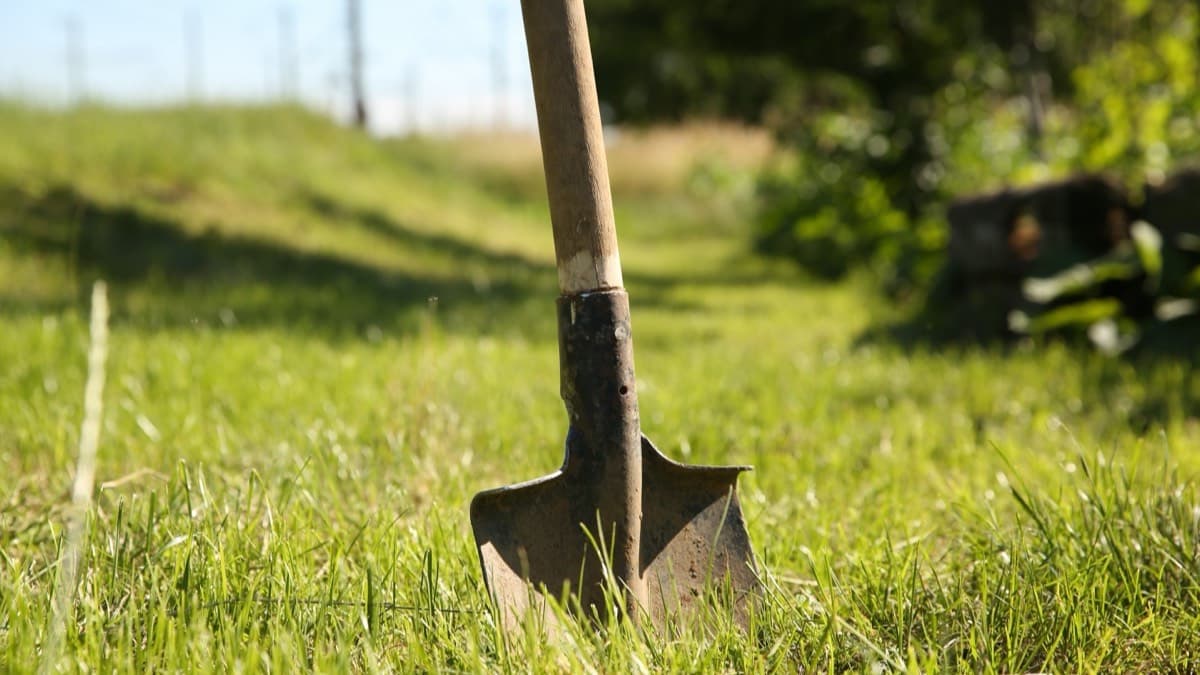
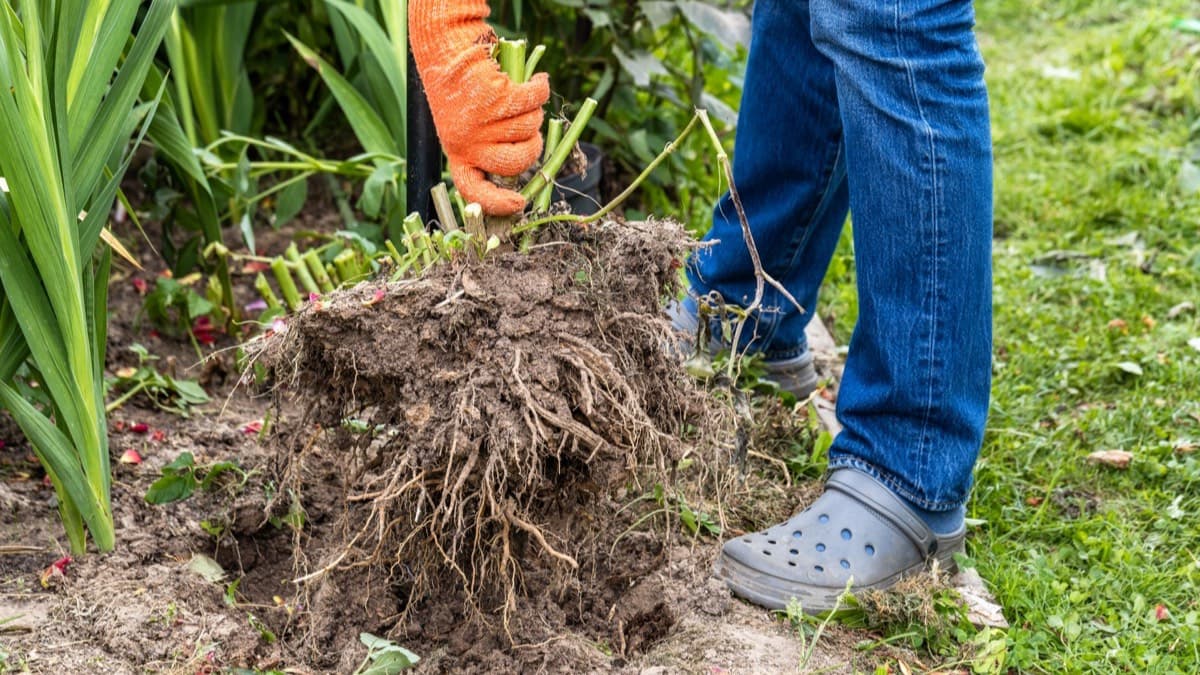
- Pull or dig small plants. Most smaller plants, and woody stems up to about an inch thick, can be pulled or dug out. Get as much of the root as you can, since even a small piece can grow back. A digging fork leaves more of the root intact than a shovel, which can slice it off.
- Pull in moist soil. Spring and early summer, when the soil is moist, is the easiest time. Larger woody stems, up to about 3 inches, come out with a root-pulling lever tool.
- Smother a patch of seedlings. Two or three layers of thick UV-stabilized plastic, staked down and reaching at least 5 feet past the patch on every side, kill everything under them. Leave the plastic for at least two years, then sow a cover crop such as annual rye.
- Cut it back again and again. Cutting a patch to the ground works only with persistence. It takes several cuttings a year for up to five years, and the patch can look worse before it dies out.
- Herbicide for tough shrubs. Escaped burning bush, barberry and privet usually need an herbicide, because they're tough and reproduce well. Read and follow the label exactly.
Disposing of what you pull
Leftover pieces can start a new patch. Pile woody debris for wildlife cover, or dry it on a driveway for a month. Seal smaller plants in doubled black trash bags in the sun for a month before putting them out with the trash. Oriental bittersweet, multiflora rose, Japanese honeysuckle and Japanese knotweed sprout from fragments, so dry or burn them before disposal. An invasive-only compost pile needs watching for resprouts, and the compost stays out of the garden.
Keeping them out
- Buy plants from a reputable source.
- Use certified weed-free mulch, gravel and soil.
- Buy firewood where you'll burn it.
- Clean seeds and plant debris off tools, boots and equipment.
- Replant cleared ground, often with native plants, and keep checking it.
An annotated example
What to do next
Walk the yard in spring and note any plant that's spreading where you didn't plant it. Have it identified by the county extension office, then pull young plants with their roots before they set seed.
Check the yard for invasive plants
- Walk the yard and list the plants you can't name
- Ask the county extension office to identify a plant
- Pull young invasive plants before they set seed
FAQ
What makes a plant invasive?
It isn't native to the area, and it causes or is likely to cause harm to the environment, the economy or human health. Many non-native garden plants, like tomatoes, aren't invasive.
Can I compost invasive plants?
Not in the garden compost. Some, like Japanese knotweed and multiflora rose, regrow from fragments. Dry or bag them for a month, or keep a separate pile whose compost stays out of the garden.
How do I know if a plant in my yard is invasive?
The county extension office can identify a plant and tell you whether it's invasive where you live.
Sources
Checked October 20, 2026
- USDA National Invasive Species Information Center. What are invasive species? (2026)
- USDA National Invasive Species Information Center. Terrestrial plants (2026)
- USDA National Invasive Species Information Center. What you can do (2026)
- University of New Hampshire Cooperative Extension. Managing invasive plants, methods of control (2006)
- University of Illinois Extension. Invasive plants (2026)
- University of Illinois Extension. Three common landscape shrubs you didn't know were invasive (2021)
- Yard
- Owner
- Spring
- Beginner
- Tenant
- DIY