Explainer
Moles and voles in the yard
Moles push up ridges and mounds hunting worms and grubs, while voles cut narrow runways and chew roots and bark, and each takes a different fix.
Satisfy+ Editorial · Published August 12, 2026 · 4 min read
At a glance
- Moles
- Raised ridges and cone-shaped mounds
- Voles
- Runways 1 to 2 inches wide, with holes
- Moles eat
- Earthworms and grubs, rarely plants
- Voles eat
- Grass, roots, bulbs and bark
Moles and voles are often confused, and the damage people blame on moles is usually done by voles. A mole isn't a rodent. It's an insectivore, related to shrews and bats, and lives almost entirely underground, eating earthworms, grubs and other insects. A vole is a small rodent, sometimes called a meadow mouse, that spends more time above ground and eats plants.
Moles
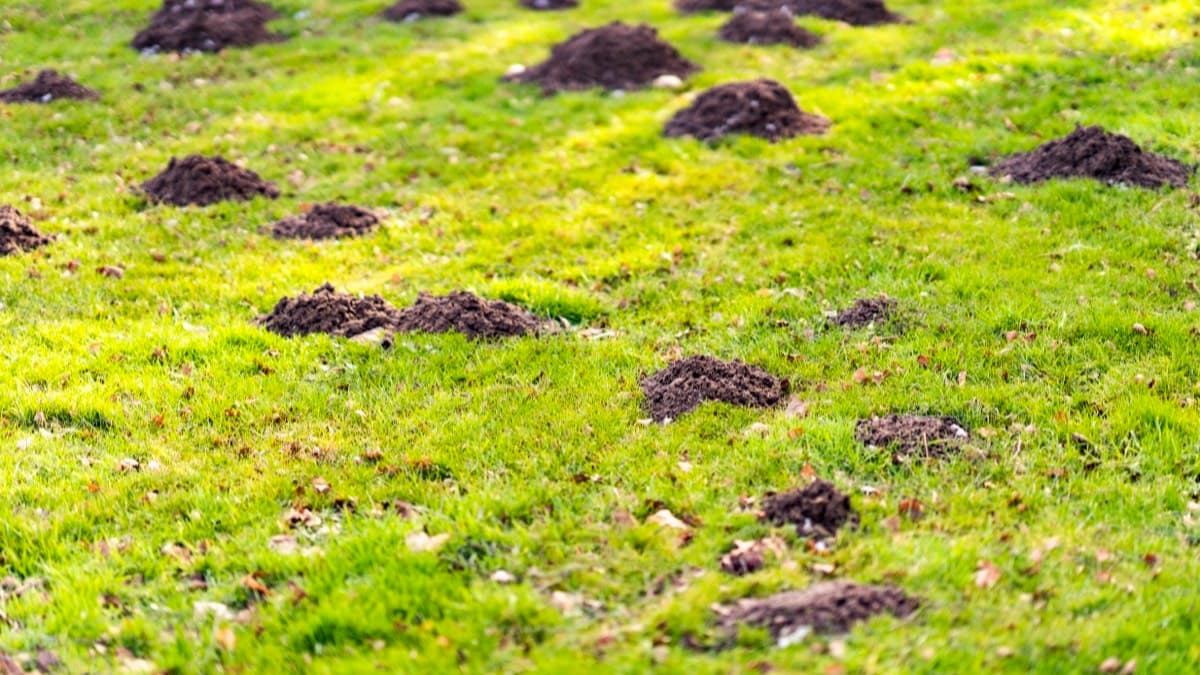
A mole can eat 70 to 80 percent of its weight in a day, so it digs constantly to find food. Its shallow feeding tunnels run just under the surface and push up low, winding ridges in the lawn. No other animal leaves those ridges. The cone-shaped mounds of coarse soil come from deeper tunnels, which lead to a nest about 8 inches down. Digging goes on all year and peaks in warm, wet months. Moles favor moist, sandy loam and tend to avoid heavy, dry clay.
Moles rarely eat bulbs or other plants. The damage is indirect. Tunneling disturbs the roots, the grass can turn brown, and the ridges make mowing hard. They also eat lawn pests and loosen the soil.
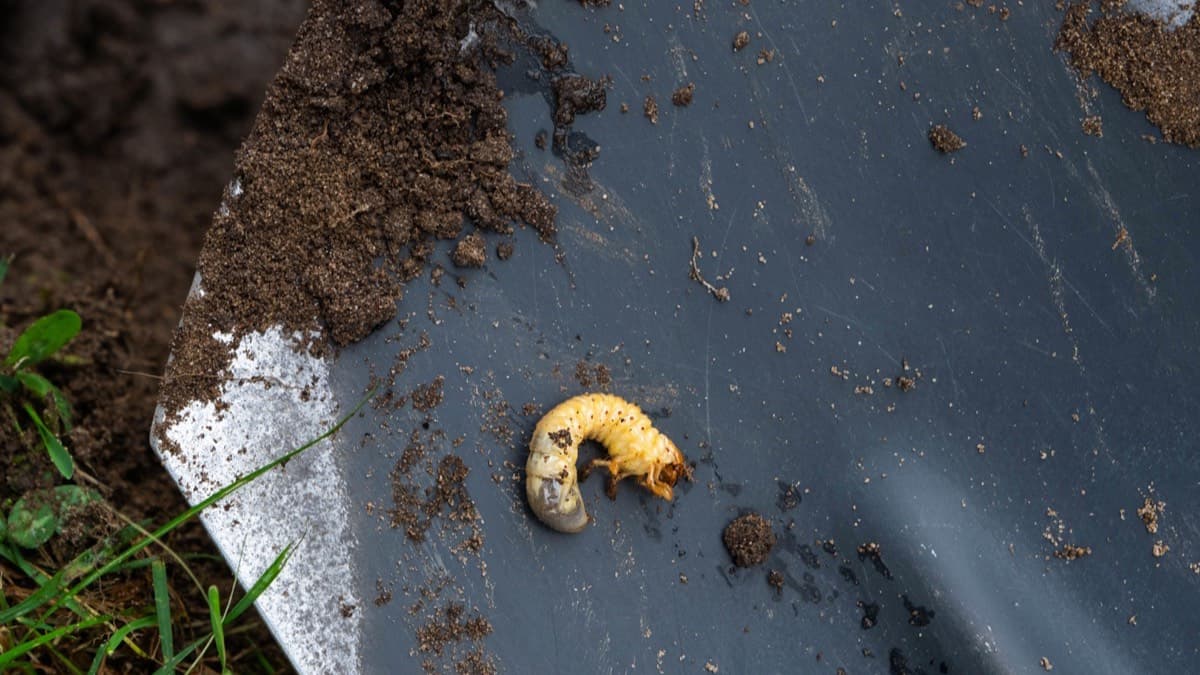
- Grub treatments don't solve it. Moles eat earthworms and other insects too. Killing their food can make them dig more before they leave.
- It often stops on its own. Mole activity is seasonal, and many lawns need no control at all.
- Trapping works best. It's the most successful and practical way to remove a mole. To find an active tunnel, press down sections of the ridges and look the next day for the ones that were pushed back up. Set the trap in a straight stretch with fresh digging, not on a mound, and move it if it catches nothing in two days.
- Other methods are weaker. Castor oil repellents may work in some cases. Poison baits mostly use foods moles don't eat, and gas cartridges seldom work because the tunnels are long and porous.
Voles
Voles leave surface runways 1 to 2 inches wide through the grass, with many small burrow holes. They're active day and night, all year, and their home range is usually a quarter acre or less. They breed mostly in spring and summer, with an average of three to six young in a litter.
Voles eat plants and their roots, and their tunnels let roots dry out. Boxwoods are especially hard hit. Voles also travel through mole tunnels to reach roots. In winter they can chew the bark off the lower trunks of young trees and shrubs, all the way around, and the damage can be extensive.
- Pull the mulch back. Don't pile mulch against tree trunks or under shrubs.
- Clear the cover. Remove weeds, dense groundcover and litter near beds, and mow the lawn regularly.
- Guard young trunks. Wrap them in 18-inch cylinders of hardware cloth that reach 2 to 3 inches below the soil line. A small pile of pea gravel at the base of a fruit tree also keeps voles off the trunk in winter.
- Trap in the runways. Snap-type mouse traps baited with apple, set in the runways or at the burrow holes, cut their numbers.
An annotated example
What to do next
Walk the yard and sort what you see: raised ridges and coarse mounds mean moles, and narrow runways with holes mean voles. Flatten a few mole ridges and check them the next day before deciding whether to trap. For voles, pull mulch back from trunks and shrubs and put guards on young trees before winter.
Deal with the moles or voles
- Check which flattened mole ridges rise again
- Pull the mulch back from tree trunks and the base of shrubs
- Put hardware cloth guards around the trunks of young trees
FAQ
How can I tell mole damage from vole damage?
Moles push up raised ridges and cone-shaped mounds of coarse soil. Voles leave open runways 1 to 2 inches wide across the surface, with many small holes.
Will getting rid of grubs get rid of moles?
Usually not. Moles also eat earthworms and other insects, and killing their food can make them dig more before they leave.
Do voles damage trees?
Yes. In winter, voles chew the bark from the lower trunk all the way around, and hardware cloth guards around young trunks prevent it.
Sources
Checked October 20, 2026
- University of Maryland Extension. Moles (2023)
- University of Maryland Extension. Voles (2024)
- University of Missouri Extension. Controlling nuisance moles (G9440) (2022)
- Yard
- Owner
- Pests
- DIY