Checklist
What goes down the storm drain
Water that runs off the yard and driveway goes into the storm drain untreated, so keep chemicals, oil, yard waste, pet waste and wash water out of it.
Satisfy+ Editorial · Published July 31, 2026 · 2 min read
At a glance
- Where it goes
- Straight to a lake, stream, river or the coast
- Treated
- No
- Never down it
- Chemicals, oil, paint, yard waste, pet waste
- Pet waste
- A major source of bacteria
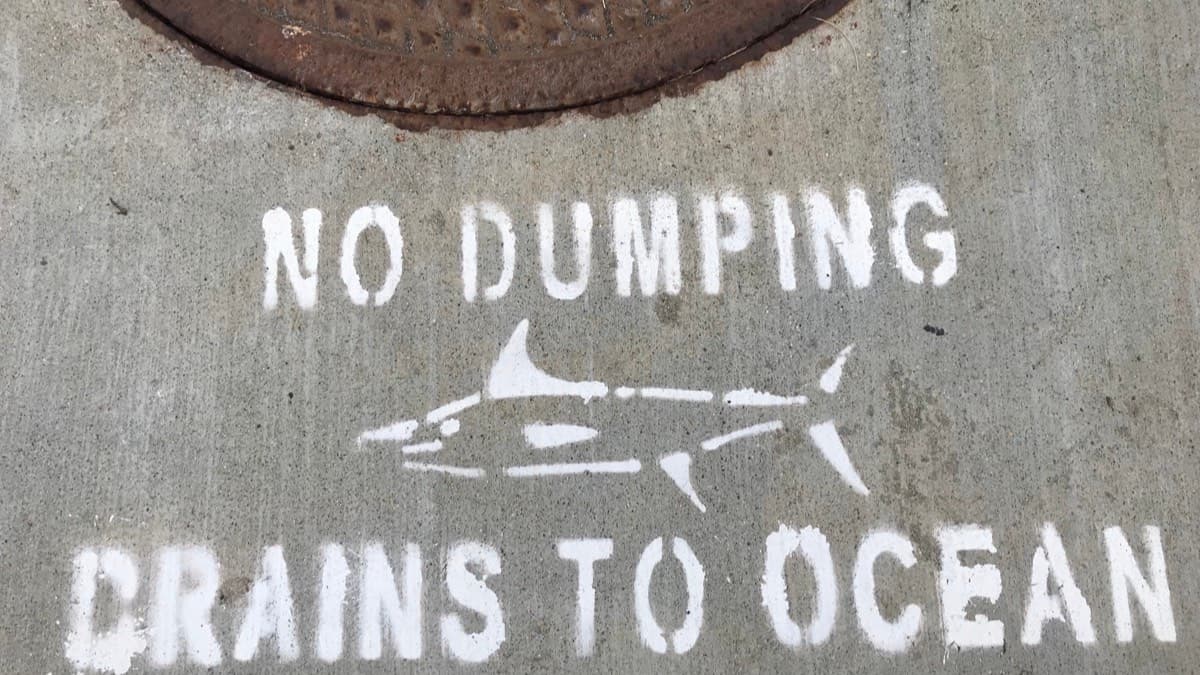
When rain or snowmelt runs over driveways, sidewalks and streets instead of soaking into the ground, it picks up dirt, chemicals and debris along the way. Much of it flows into the storm sewer system. Anything that goes into a storm drain is discharged untreated into the lakes, streams, rivers, wetlands and coastal waters used for swimming, fishing and drinking water. Excess nutrients feed algae blooms that strip oxygen from the water. Bacteria can close beaches. Household chemicals can poison aquatic life.
Household products
- Keep chemicals out of the drain and off the groundNever pour insecticides, pesticides, paint, solvents, used motor oil or other car fluids into a storm drain or onto the ground.
- Take them to be recycled or disposed ofUse your area's household hazardous waste or recycling drop-off. Old car batteries and used fluids go there too.
- Keep hazardous waste out of sinks and toilets tooPaint, solvents and pesticides don't belong in any drain in the house.
The lawn and garden
- Use fertilizers and pesticides sparinglyWhen you use them, use the amount the label recommends. The excess washes off lawns and gardens into streams.
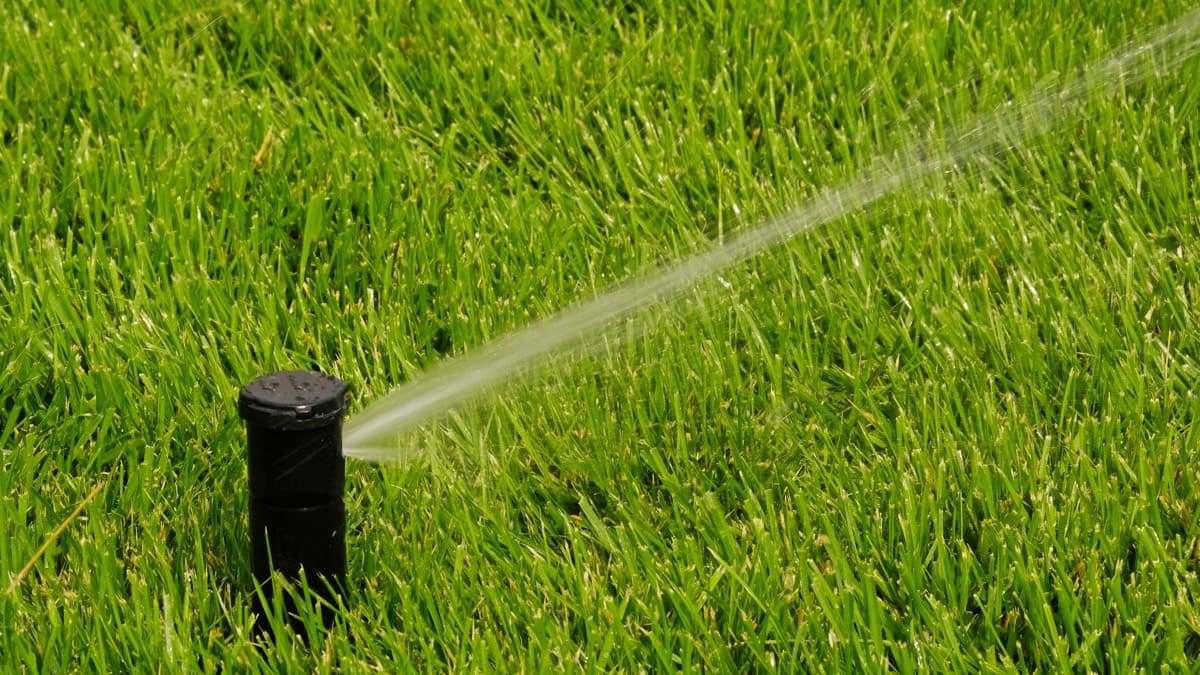
- Don't overwater the lawnWater with a soaker hose rather than a sprinkler.
- Keep leaves and clippings out of the streetCompost or mulch yard waste. Don't leave it in the street or sweep it into a storm drain, where it adds nutrients and organic matter to streams.
- Cover dirt and mulch pilesA landscaping pile left uncovered washes away in the rain.
- Seed and mulch bare soil quicklyBare dirt from a project erodes into the drains.
The car and the driveway
- Wash the car where the water soaks inUse a commercial car wash that treats or recycles its water, or wash the car on the lawn so the water soaks into the ground.
- Fix fluid leaksOil and other fluids dripping on the driveway wash into the drain with the next rain.
- Sweep, don't hoseSweep up litter and debris from the driveway and sidewalk, especially near a storm drain.
Pets and septic systems
- Pick up after the dogPet waste is a major source of bacteria and nutrients in local water. Flushing it is the best way to get rid of it.
- Keep the septic system maintainedA leaking or neglected septic system releases bacteria, viruses and nutrients that runoff carries into nearby water. Septic systems, pumping and what never goes down the drain covers the upkeep.
Keep the runoff from the yard clean
- Take old paint, solvents and motor oil to a drop-off site
- Clear leaves and clippings off the driveway and street edge
- Cover the dirt and mulch piles from the landscaping work
FAQ
Where does the water in a storm drain go?
Straight into nearby lakes, streams, rivers, wetlands or coastal water, without treatment.
Can I pour motor oil or paint down a storm drain?
No. Take used oil, paint, solvents and other chemicals to a household hazardous waste or recycling drop-off.
Is it OK to sweep leaves into the storm drain?
No. Compost or mulch them instead. Leaves and clippings add nutrients and organic matter to streams.
Sources
Checked October 20, 2026
- U.S. Environmental Protection Agency. After the storm: a citizen's guide to understanding stormwater (EPA 833-B-03-002) (2003)
- Yard
- Owner
- Tenant