Guide
Buying a house with a septic system or a well
Find the septic system and the well before you buy, have the system inspected and the water tested, and learn what upkeep each needs once you move in.
Satisfy+ Editorial · Published June 4, 2026 · 3 min read
At a glance
- Septic
- Have it inspected before you buy
- Well water
- Tested by a certified lab
- Septic life
- 15 to 40 years
- Upkeep
- An inspection every 3 to 5 years, about $250 to $500 as of 2017
A house with no water meter, on well water or in a rural area most likely has a septic system. Like the furnace, a septic system is expensive to repair or replace. A failing well can mean treating the water or drilling a new one. Check both before you buy.
Finding the system and the well
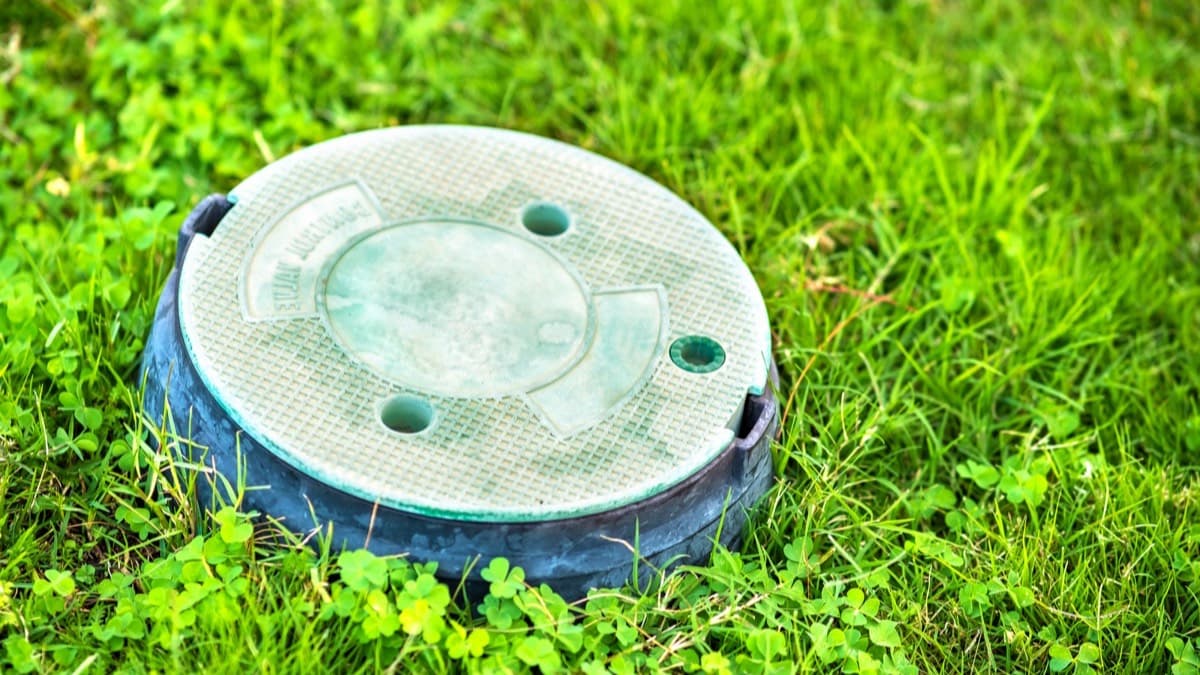
Ask the seller or the agent where the septic tank, the drainfield and the well are. The health department for the town or county may hold an "as built" drawing of the septic system. In the yard, look for inspection caps, lids or manhole covers over the tank. A septic service provider can find a tank nobody can locate.
The septic inspection
Have a septic service provider inspect the system before you buy. The inspector checks:
- The pumping and maintenance records, and the age of the system
- The sludge and scum levels in the tank
- Signs of leaks, such as a low water level in the tank
- Signs of backup, such as staining above the outlet pipe
- The tank and its inlet and outlet pipes
- The drainfield, for standing water and other signs of failure
- The distribution box, so each drain line gets an equal flow
The well water test
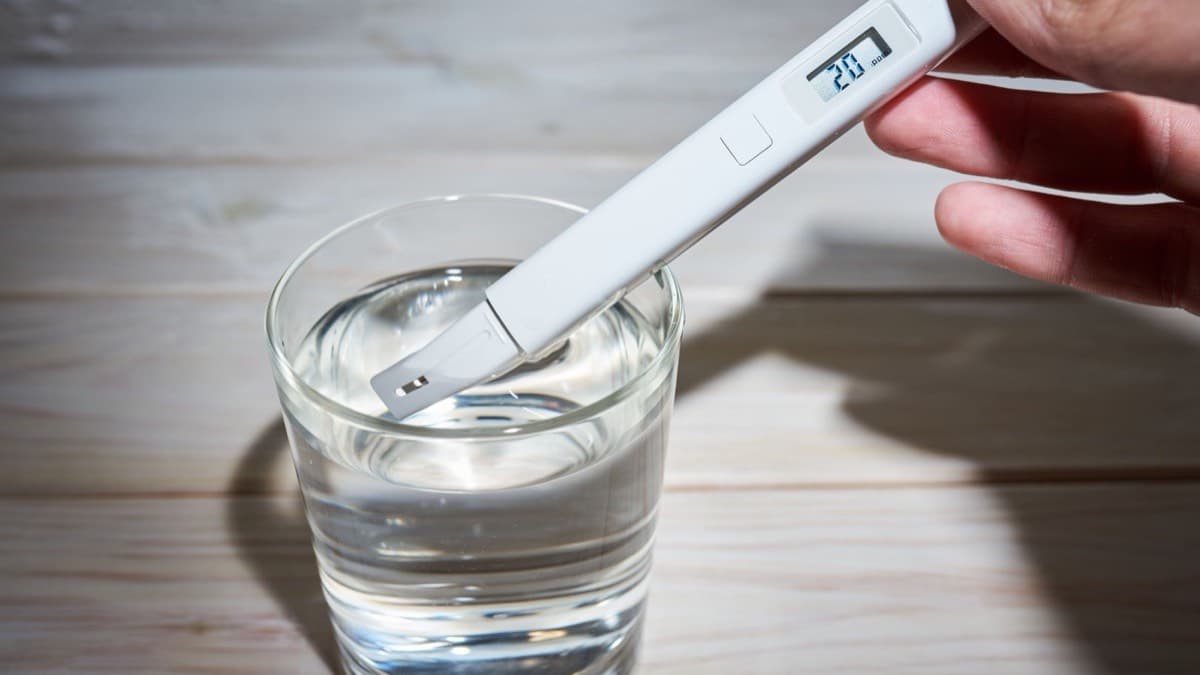
Have the well water tested by a lab certified for drinking water. The local health department can name one, and some test well water for free. The basic test covers total coliform bacteria, nitrates, total dissolved solids and pH. Test for more if the house is near farmland, a gas station, a landfill or a mine, or if the plumbing has lead pipes. A cracked or corroded well casing is worth noting on the walk-through too.
An annotated example
What to do next
Once you live there, keep the drainfield clear of cars and anything heavier than a lawnmower, and plant trees away from it. Have the septic system inspected every 3 to 5 years and pumped when the inspector says it's due. Test the well every year, and again after a flood, a repair or a change in the water's taste, color or smell.
Check the septic system and the well before you buy
- Ask the seller for the septic pumping and repair records
- Book a septic inspection before you buy
- Have the well water tested by a certified lab
- Test the well water once you move in
- Have the septic system inspected
Septic systems: pumping and what never goes down the drain covers the everyday care, and private well testing and upkeep covers the yearly test.
FAQ
How do I know if a house has a septic system?
It most likely does if it's on well water, its water line has no meter, the neighbors have septic, or it's in a rural area.
What does a septic inspection check?
The records and age, the sludge and scum in the tank, signs of leaks and backup, the pipes, the drainfield and the distribution box.
What should the well water be tested for?
Total coliform bacteria, nitrates, total dissolved solids and pH, plus anything common near the house.
How long does a septic system last?
Fifteen to 40 years on average, and longer with regular upkeep.
Sources
Checked October 19, 2026
- U.S. Environmental Protection Agency. New homebuyer's guide to septic systems (2017)
- U.S. Environmental Protection Agency. Protect your home's water (2026)
- Owner
- Well
- Buying
- Septic