How-to
Bathroom exhaust fans and how long to run them
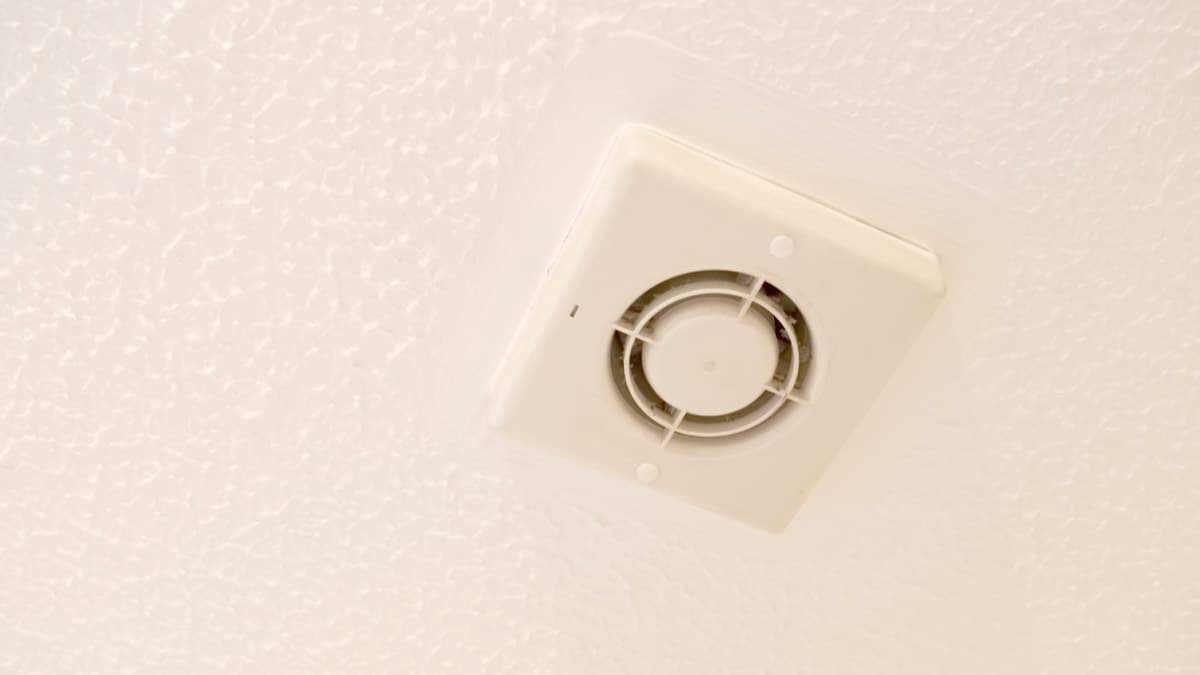
Run the bath fan through every shower and for up to 20 minutes after, clean the grille and housing, and make sure the duct ends outdoors with a clear vent.
Satisfy+ Editorial · Published October 7, 2026 · 2 min read · 30 min to do · Free
At a glance
- Run it
- Through every shower or bath, then up to 20 minutes after
- A shower makes
- About half a pint of water vapor every 5 minutes
- Clean
- The grille and the fan housing, with the power off
- Check
- That the duct ends outdoors and the vent is clear
Washing and bathing put a lot of water vapor into the air. A shower makes about half a pint of it for every 5 minutes it runs. Without an exhaust fan, that moisture builds up and raises the risk of mold and mildew on the floor, walls and ceiling. Many older fans don't move as much air as they're rated for, and a dirty grille or a blocked vent makes it worse.
What you need
- A vacuum with a brush attachment
- A damp cloth
- A step stool
- The fan's instructions, if you have them
Steps
- 1
Run it every time
Turn the fan on when you start a shower or bath. Turn it off within 20 minutes after you're done, unless it's a fan designed to run continuously for whole-house ventilation. Some fans run on a timer or a humidity sensor and switch themselves off.
1 min
- 2
Check that it runs
Switch it on and make sure it actually starts. If it has a timer or sensor, check that it comes on the way it's set to.
2 min
- 3
Turn off the power
Before cleaning, switch the fan off and turn off its circuit at the electrical panel.
2 min
- 4
Clean the grille and housing
Vacuum the dust off the grille. Then take the grille down, following the fan's instructions, and wipe the fan housing with a damp cloth. Cleaning the housing and grille alone can sometimes improve how much air the fan moves a great deal. Put the grille back and turn the power on.
15 min
- 5
Find where the duct ends
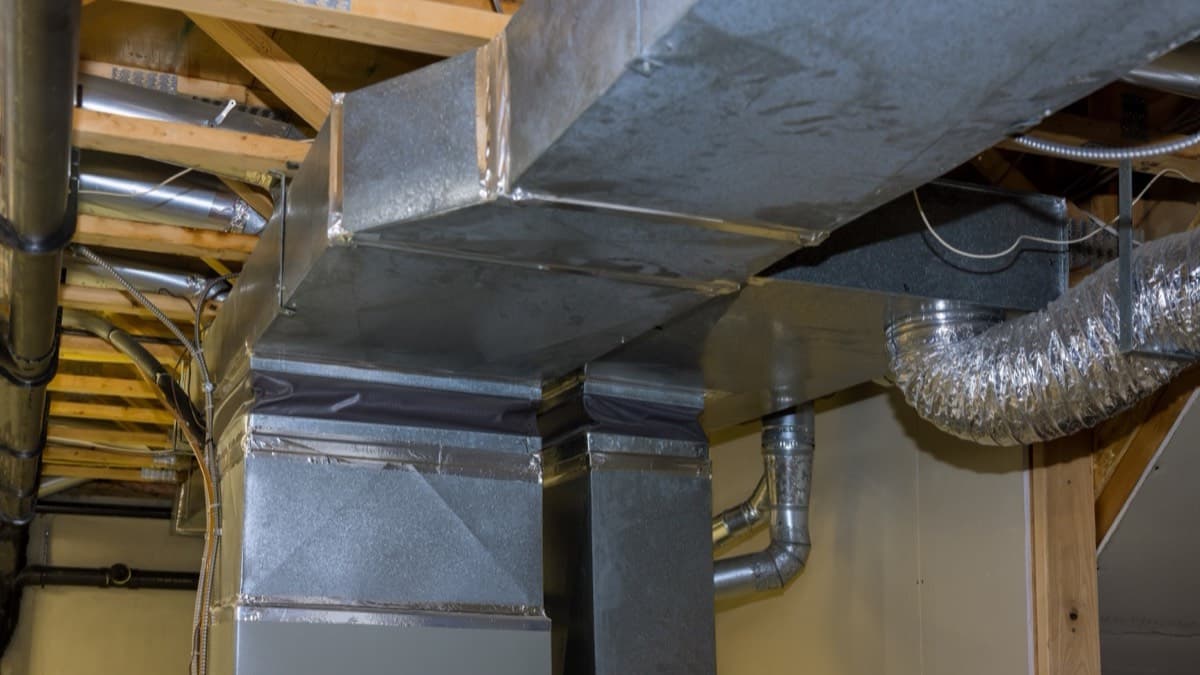
The duct should always end outdoors, through a wall or the roof, never in the attic, basement or crawl space. Look for its vent cap on the outside of the house. If you can't find one, have someone who works on ventilation trace the duct, rather than going into the attic yourself.
5 min
- 6
Check the outside vent
If you can see the vent cap from the ground, check it for debris and insect nests, and that its damper closes when the fan is off. If the vent is out of reach, have it checked.
5 min
Keep the bathroom fan pulling moisture out
- Clean the bathroom fan grille and housing
- Check the bathroom fan's outside vent for debris and nests
Signs it isn't keeping up
Many older fans don't move the air they're rated for. Cleaning is the first fix. Beyond that, an HVAC or ventilation contractor can measure the airflow with a flow hood and check the duct for disconnects, crimps and leaks. A big difference between the airflow at the fan and at the outside vent points to a leaky duct.
For the rest of the house, see Humidity, ventilation and filters for cleaner indoor air.
FAQ
How long should I run the bathroom fan after a shower?
Up to 20 minutes after you're done, then turn it off, unless it's a fan designed to run continuously.
Where should a bathroom exhaust fan vent?
Always outdoors, through a wall or the roof. Never into the attic, basement or crawl space.
How do I clean a bathroom exhaust fan?
Turn off its power, vacuum the grille, take the grille down and wipe the housing with a damp cloth.
Sources
Checked October 20, 2026
- U.S. Department of Energy, Building America Solution Center. Bathroom exhaust fan (Home Improvement Expert checklist) (2026)
- U.S. Department of Energy, Building America Solution Center. Whole house ventilation strategies for existing homes (2026)
- U.S. Department of Energy. Energy Saver: Tips on saving money and energy in your home (2022)
- HVAC
- Owner
- Mold
- Beginner
- Tenant
- DIY