How-to
Cockroaches, keeping them out and getting rid of them
Clean up the food and water, seal the gaps around pipes and cabinets, and put many small dabs of bait where the roaches hide, since sprays and bug bombs rarely reach them.
Satisfy+ Editorial · Published October 5, 2026 · 3 min read · 2 hr to do · Under $100
At a glance
- Most common
- The German cockroach, about 1/2 inch long
- Where they hide
- Warm, dark, damp cracks near food
- Best treatment
- Many small dabs of bait
- Skip
- Bug bombs and sprays on open surfaces
Cockroaches contaminate food and dishes, and can spread germs that cause food poisoning. Their droppings and shed skins can trigger allergies and asthma, especially in children. They come in on grocery bags, cartons and used furniture, through gaps around windows, doors, vents and pipes, and in firewood. In an apartment building they travel between units through the walls and the pipes. So even a clean home can get them, though they thrive where food and water are easy to find.
Which cockroach it is
- German cockroach. By far the most common indoors, and it doesn't live outside. Light brown, about 1/2 inch long, with two dark stripes behind the head. It breeds fast, and one female can lead to thousands of roaches in under a year. It hides under sinks and toilets, behind the refrigerator, dishwasher and stove, near the trash, in cabinets, and inside toaster ovens and other warm appliances.
- American cockroach. Reddish brown and about 1 1/2 inches long. It lives in basements, crawl spaces, floor drains, sump pits and laundry areas.
- Oriental cockroach. Shiny black or dark brown and about 1 inch long. It favors cool, damp places at ground level, such as floor drains, basements and crawl spaces.
- Wood cockroach. About 1 inch long and brown. It lives outdoors under bark and in woodpiles and can't survive indoors, but it wanders in during spring and summer or arrives in firewood.
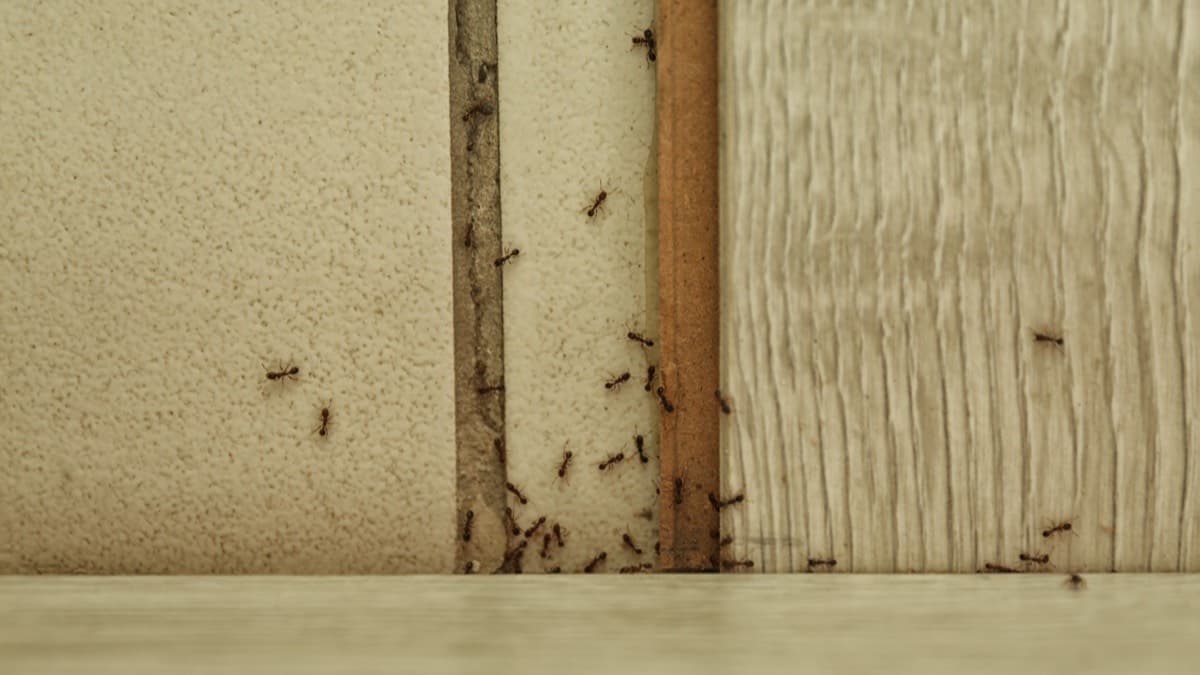
Roaches hide by day and come out at night. Droppings look like specks of pepper where they gather.
What you need
- A bright flashlight
- Cockroach gel bait in a syringe, or bait stations
- Caulk, expanding foam or copper mesh
- Airtight food containers
Steps
- 1
Clean up the food and water
Wipe up spills and crumbs, wash the dishes and put away pet food before bed. Store food in airtight containers, take out the trash often, and get rid of stacks of paper bags, cartons and newspapers.
30 min
- 2
Find where they're hiding
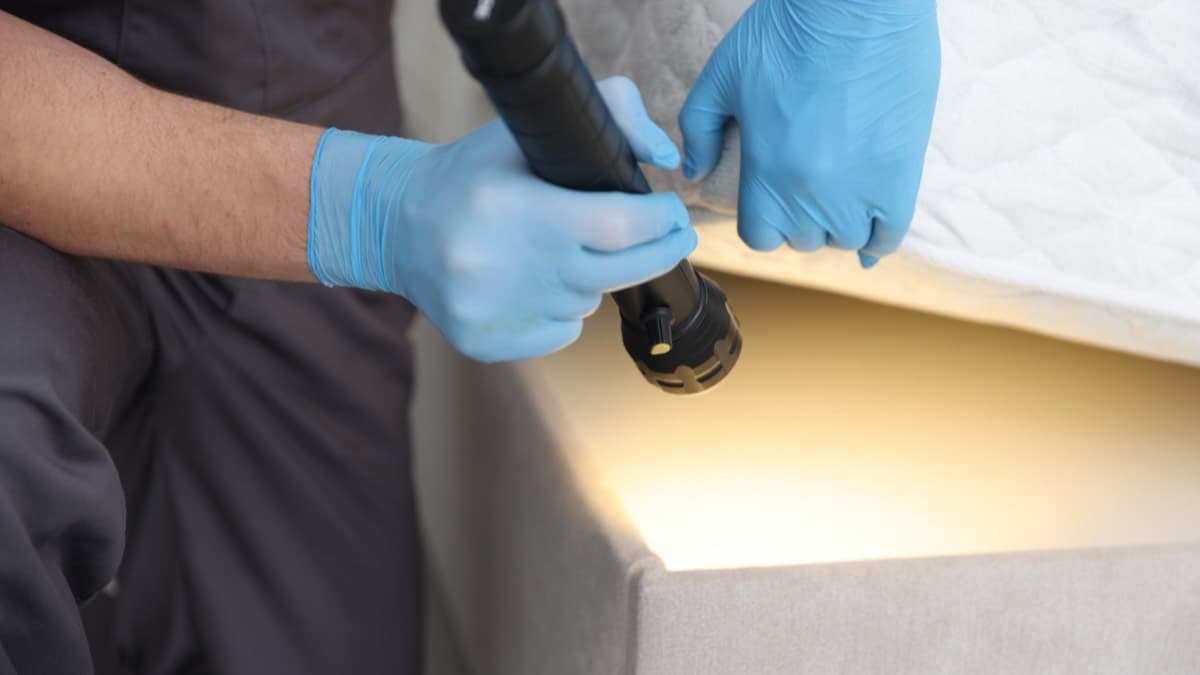
Use a flashlight in dark, secluded spots near food, warmth and water. Look for roaches and for the pepper-like droppings.
20 min
- 3
Seal the gaps
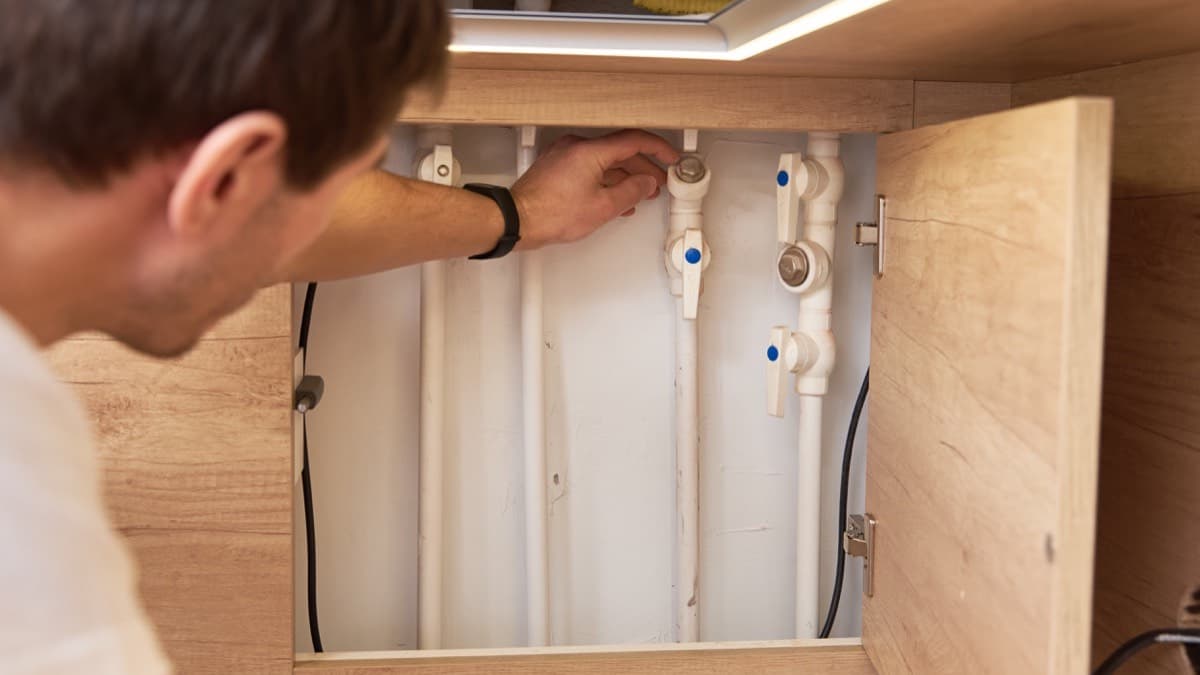
Caulk cracks around the cabinets, doors and windows. Fill the openings where pipes and wires go through walls and floors with caulk, foam or copper mesh, which also slows roaches moving between apartments.
30 min
- 4
Put out many small dabs of bait
Put pea-sized dabs of gel bait in cracks, corners and the edges of cabinets, under and around sinks and toilets, behind appliances and wherever you see droppings. Roaches find bait as they wander, so many small spots work better than a few big ones. Set bait stations flush against corners and edges, not out in the open.
20 min
- 5
Keep sprays and cleaners away from the bait
A cleaner or an insecticide sprayed near the bait can keep roaches from eating it.
1 min
- 6
Check the bait spots
Look at the bait spots now and then, and add bait where it's been eaten. A roach that eats bait usually dies within 1 to 3 days. A large drop in the number you see should show within a few weeks.
10 min
Get rid of the cockroaches
- Clean up crumbs, spills and dishes before bed
- Seal the gaps around pipes under the sinks
- Put cockroach gel bait in the kitchen cabinets
- Check the bait spots and add more where it's gone
Why bait beats spray
Bait combines a slow-acting insecticide with food. Roaches eat it and go back to their hiding places, and others can die from eating traces in their droppings. It has almost no odor, the kitchen doesn't have to be emptied first, and it carries little hazard to children and pets.
Roaches spend little time on open floors, walls and counters, so spraying those surfaces rarely kills enough. Bug bombs are worse. The fog settles on open surfaces, barely reaches the cracks, and drives roaches deeper into the walls. The spray can also catch fire near a pilot light or a cigarette.
Insecticides can harm people as well as pests, so use the methods that carry the least risk.
Professional treatment
A professional treatment includes an inspection on every visit, and it treats the cracks and hiding spots rather than spraying baseboards. Done correctly, clearing cockroaches shouldn't take a full year, especially in a single-family home.
FAQ
What's the best way to get rid of cockroaches?
Clean up food and water, seal gaps around pipes and cabinets, and put many small dabs of gel bait where they hide.
Do bug bombs kill cockroaches?
Rarely. The fog settles on open surfaces and doesn't reach the cracks where roaches spend their time. It can also drive them deeper into the walls.
How long does cockroach bait take to work?
A roach usually dies within 1 to 3 days of eating it, and the infestation should drop noticeably within a few weeks.
Sources
Checked October 20, 2026
- University of Kentucky Cooperative Extension. Cockroach elimination in homes and apartments (ENTFACT-614) (2018)
- U.S. Environmental Protection Agency. Asthma triggers, gain control (2026)
- Landlord
- Owner
- Pests
- Under $100
- Beginner
- Tenant
- DIY