How-to
Ants in the kitchen
Clean up what the ants are eating, follow the trail to find where they come from, and set out bait instead of spraying, since the nest is what has to go.
Satisfy+ Editorial · Published October 1, 2026 · 3 min read · 1.5 hr to do · Under $100
At a glance
- Find first
- Where the ants are nesting
- Indoors
- Bait, not spray
- Bait time
- Several weeks to several months
- Winged ants inside
- A sign of an indoor nest
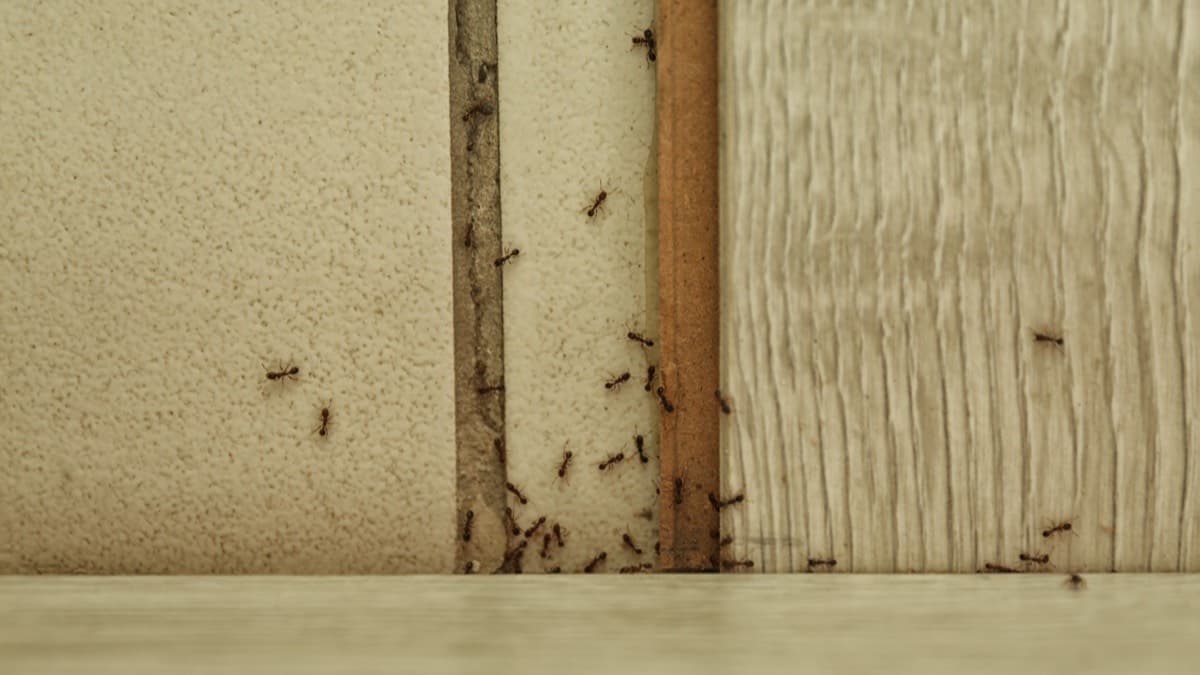
Most ants in a kitchen are a nuisance more than a danger, though some species get into food. Only a small share of a colony is out foraging at any time, so killing the ants you see does little. The colony goes when its queens die. Most ants that show up indoors come in from a nest outside while they look for food. Winged ants swarming inside the house mean the nest is indoors.
What you need
- Glass jars or plastic containers with tight lids
- White vinegar and water in a spray bottle
- Ant bait stations or gel bait labeled for household ants
- A flashlight
- Caulk, for gaps the ants are using
Steps
- 1
Take away the food
Put sugar, cereal, flour and pet food in sealed glass or plastic containers. Wipe the counters, the stovetop and the floor under the table, and rinse cans and bottles before they go in the recycling.
20 min
- 2
Wipe the trail
A mild mix of vinegar and water breaks up the scent trail the ants follow, for a while.
5 min
- 3
Follow the ants
Watch where they go, and follow them to where they come in or to the nest. Setting a little food out draws them into the open. It can take 30 minutes or more of watching. For carpenter ants, look just after sunset.
30 min
- 4
Set out bait where they're active
Put the bait right on or next to the trail, and keep other food away from it. The workers carry the bait back and share it with the colony, including in spots a spray can't reach.
5 min
- 5
Don't spray near the bait
An insecticide or a household cleaner on or near the bait keeps the ants from taking it back to the nest.
1 min
- 6
Seal the gaps you can find
Caulk the cracks where the trail enters the house. Ants are small, so this won't close every way in.
10 min
- 7
Check the trail a week later
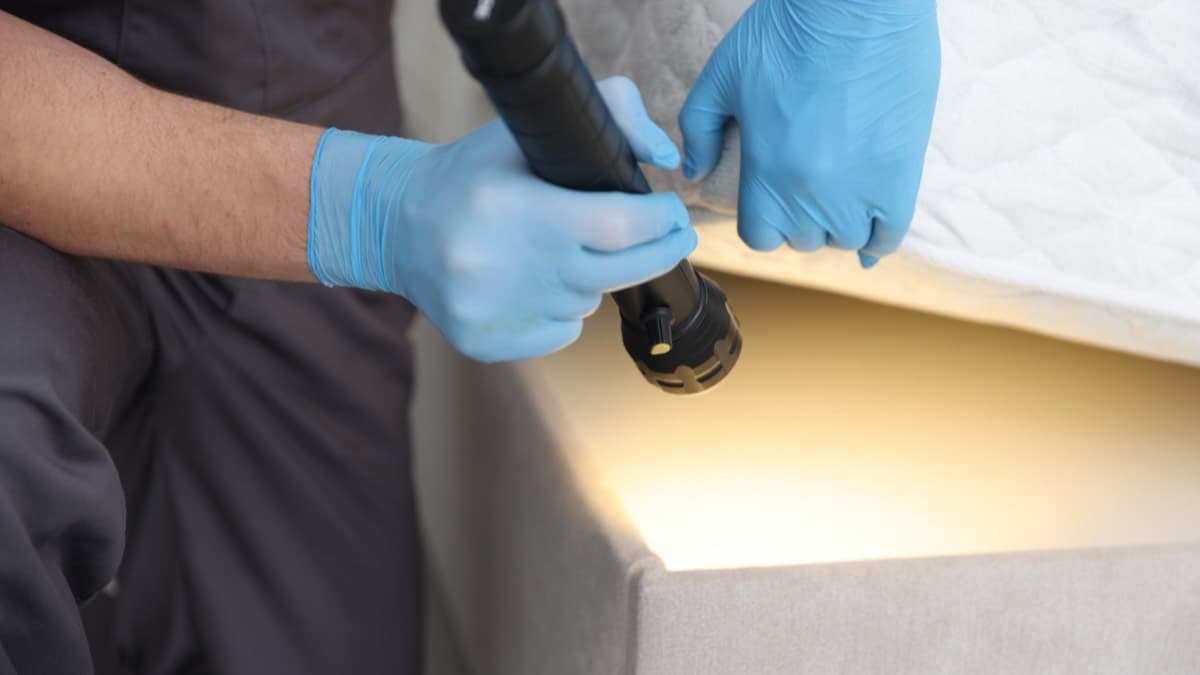
Look at the bait with a flashlight. Ants feeding on it are carrying it back to the nest. If they ignore it, they may not be the kind of ant it draws.
5 min
Get the ants out of the kitchen
- Put sugar, cereal and pet food in sealed containers
- Find where the ants come into the house
- Set out ant bait where the ants are active
- Trim the shrubs that touch the house
Why bait works and spray doesn't
Bait goes back into the nest with the workers. A spray kills the ants it touches and has little effect on the nest. Baits act slowly, and can take several weeks to several months to finish off a colony. Sometimes they slow a colony without ending it, and they have to be set out again.
Bait can fail when:
- Other food is easier for the ants to reach
- There's more than one colony
- There isn't enough bait out
- The ants' diet shifts, and they stop taking it
- A pesticide or a cleaner has touched the bait
Most baits sold for homes are sugar-based. Sweet-feeding ants, such as odorous house ants, take them. Carpenter ants and grease ants mostly don't.
Outside the house
- Trim shrubs that touch the house, so the ants don't have a bridge in. Tree branches touching the house are a job for a tree service.
- Clear lumber, branches, stumps, thick mulch and leaf litter from against the walls.
- Ants nesting in the lawn don't eat or harm the grass. Leave them alone where you can.
Flooding a nest with water, pouring gasoline into it, or putting down cinnamon, orange peel, red pepper, spearmint gum or essential oils doesn't get rid of ants. Gasoline is dangerous too, and it pollutes.
Carpenter ants
Carpenter ants are black, or black and red, and up to half an inch long. They don't eat wood, but they chew it into tunnels, usually in wood that's damp or rotting. Look for them around tubs, sinks, showers and dishwashers, and in hollow doors and wall spaces. Fixing the moisture and replacing the damaged wood matters as much as treating them. Getting rid of a carpenter ant nest usually takes a pest management professional. Termites, the signs and keeping them out covers the other insect that tunnels into a house.
FAQ
How do I get rid of ants in my kitchen?
Put food in sealed containers, wipe the counters, follow the ants to where they come in, and set out bait on the trail. Don't spray near the bait.
Why do ants keep coming back after I spray them?
Only a few of the colony's ants are out at any time. A spray kills those and leaves the nest. Bait goes back into the nest with the workers.
How long does ant bait take to work?
Several weeks to several months for a whole colony.
Sources
Checked October 20, 2026
- University of Minnesota Extension. Ants (2026)
- Iowa State University Extension and Outreach. Ant management in and around the home (2011)
- Owner
- Pests
- Spring
- Under $100
- Beginner
- Tenant
- DIY