Explainer
How central air conditioning works
Follow the heat from the indoor coil to the outdoor unit, read your system's size off its model number, and know which problems are a filter or a setting and which need a technician.
Satisfy+ Editorial · Published September 1, 2026 · 3 min read
At a glance
- How it works
- Moves heat from inside the house to the outdoors
- Indoors
- The evaporator coil, in the furnace's air handler
- Outdoors
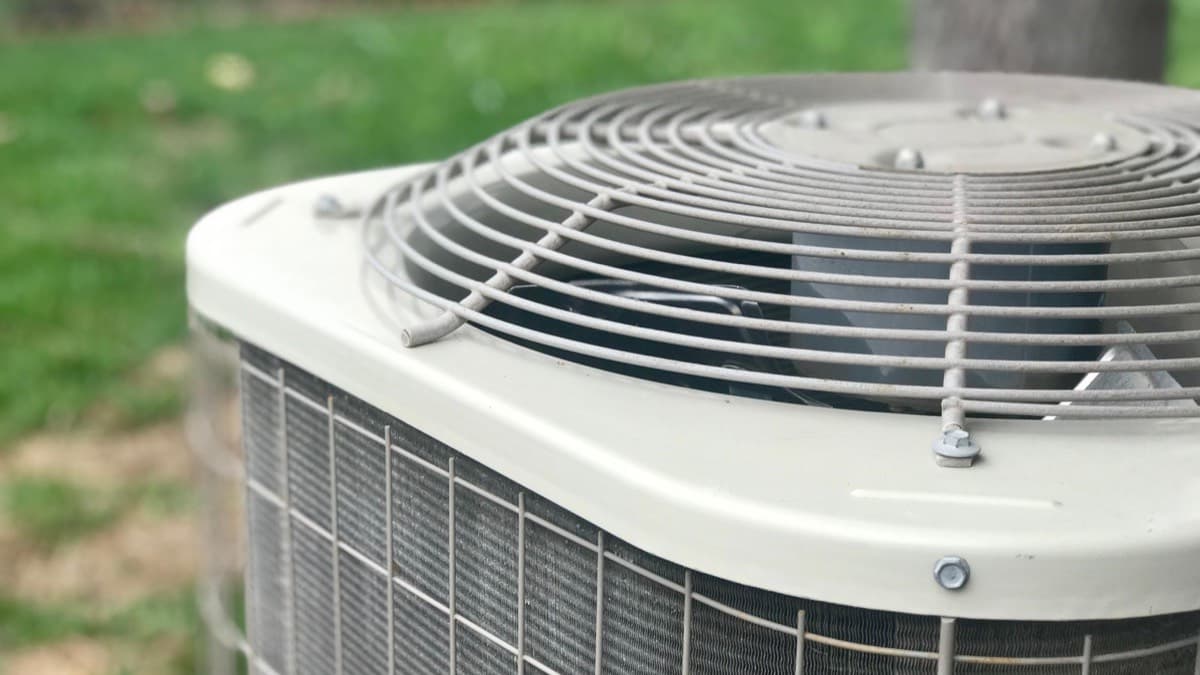
- The compressor, the condenser coil and a fan
- Also does
- Takes moisture out of the air
An air conditioner works like a refrigerator. It doesn't make cold. It moves heat from inside the house out to the warmer air outdoors. A central system sends the cooled air through ducts and registers to every room, and it's usually installed with a furnace and shares its ducts and blower.
The parts and what they do
- Evaporator coil. Cooling coils inside, in the air handler, where refrigerant takes heat and moisture out of the air passing over them.
- Blower. The fan that pushes air over the evaporator coil and through the ducts.
- Compressor. A pump that moves refrigerant between the evaporator coil and the condenser.
- Condenser coil. Hot coils outdoors that release the collected heat into the outside air.
- Outdoor fan. It blows air over the condenser to carry the heat away.
- Filter. It takes particles out of the air before it reaches the coil.
- Thermostat. It controls how much cool air the system sends out.
Most home systems are split systems, with an outdoor unit holding the compressor and condenser, and an indoor unit that's often part of the furnace or heat pump. A packaged system has the evaporator, condenser and compressor all in one unit.
Cooling and drying the air
Part of what makes the house feel cooler is drier air. Sweat cools the body less well when the air is humid, and an air conditioner takes moisture out as it cools. That moisture drips off the evaporator coil into a pan and out a drain line.
A system that's too big for the house blasts on, cools the air below the thermostat setting and shuts off before it has had time to remove moisture. That's a problem where summers are humid. Turning off and on too often also wears out the compressor and fan controls.
Reading the size off the nameplate
Air conditioners are sized in tons, and 1 ton is 12,000 Btu an hour of cooling. Look at the nameplate on the outdoor unit and find the model number, not the serial number. Two digits in it give the size: 18 is 1.5 tons, 24 is 2 tons, 30 is 2.5, 36 is 3, 42 is 3.5, 48 is 4 and 60 is 5. A model number such as SSX160241 is a 2-ton unit.
Settings that help
- Set the thermostat's fan to Auto, not On. The system runs most efficiently that way.
- Clean or replace the filter regularly. It can lower the system's energy use by 5 to 15 percent.
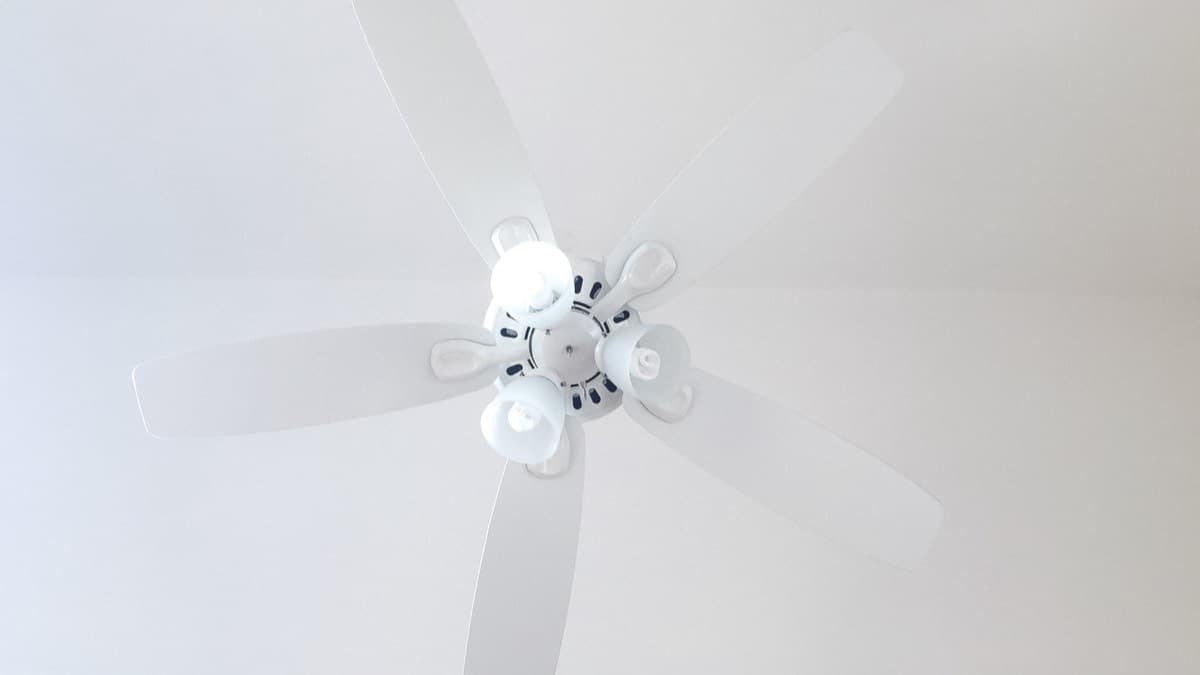
- A ceiling fan lets you set the thermostat about 4 degrees higher without feeling warmer.
When it isn't cooling well
Some problems are yours to check, and some need a technician.
- A dirty filter. It restricts airflow and the system's ability to cool. Change or clean it.
- The thermostat. Check that it's set right and reading the correct temperature, and that its batteries are good.
- A clogged drain. Check that the condensate drain isn't blocked.
- Low refrigerant. The system may be low because of a leak. A trained technician repairs the leak and recharges it.
- Worn electrical controls. A professional checks the electrical connections.
- Leaking or blocked ducts. A professional cleans and seals them.
Have a technician check the evaporator coil every year and clean it as needed. Keep leaves and debris cleared from the outdoor unit's fan, compressor and condenser.
An annotated example
What to do next
Find the model number on the outdoor unit to learn your system's size, set the thermostat fan to Auto, and keep the filter and the outdoor unit clean. Book a yearly check of the evaporator coil. Getting your air conditioner ready for summer walks through the spring checks.
Keep the central air running well
- Find the system's size on the outdoor unit's nameplate
- Set the thermostat fan to Auto
- Clear leaves and debris from around the outdoor unit
- Book a yearly check of the evaporator coil
FAQ
How does central air conditioning work?
Refrigerant picks up heat and moisture from indoor air at the evaporator coil, and the compressor moves it to the outdoor condenser, which releases the heat outside. A blower sends the cooled air through the ducts.
How do I know what size my air conditioner is?
Find the model number on the outdoor unit's nameplate. Two digits in it give the size: 24 is 2 tons, 36 is 3 tons, 48 is 4 tons.
Should the thermostat fan be on Auto or On?
Auto. The system runs most efficiently that way.
Sources
Checked October 20, 2026
- U.S. Department of Energy. Energy Saver 101 infographic: home cooling (2016)
- Pacific Northwest National Laboratory and Oak Ridge National Laboratory, for the U.S. Department of Energy. Energy renovations, HVAC: a guide for contractors to share with homeowners (2011)
- HVAC
- Owner
- Heat
- Either