Explainer
Boilers, radiators and radiant floors
See how a boiler heats with steam or hot water through radiators, baseboards or tubing under the floor, what you can look after yourself, and what a technician checks each year.
Satisfy+ Editorial · Published August 21, 2026 · 3 min read
At a glance
- How it works
- A boiler heats water or makes steam, and pipes carry it to the rooms
- Where the heat comes out
- Radiators, baseboards or tubing under the floor
- Your part
- Bleed hot-water radiators once or twice a season, and keep them clear
- The technician's part
- A yearly tune-up
A boiler heats water, either into steam or into hot water, and pipes carry it through the house. The boiler may burn natural gas, oil or propane, or run on electricity. Some combination units also make the house's hot water. A furnace heats air and blows it through ducts, and a boiler heats with water or steam in pipes instead.
Steam systems
Steam heating is one of the oldest kinds of central heat. The boiler makes steam, and the steam moves through the pipes to the radiators on its own, with no pump. Older, heavy boilers are less efficient, and there's a long wait between the boiler coming on and the heat reaching the radiators. Steam boilers run hotter than hot-water boilers and are inherently less efficient.
Hot-water systems
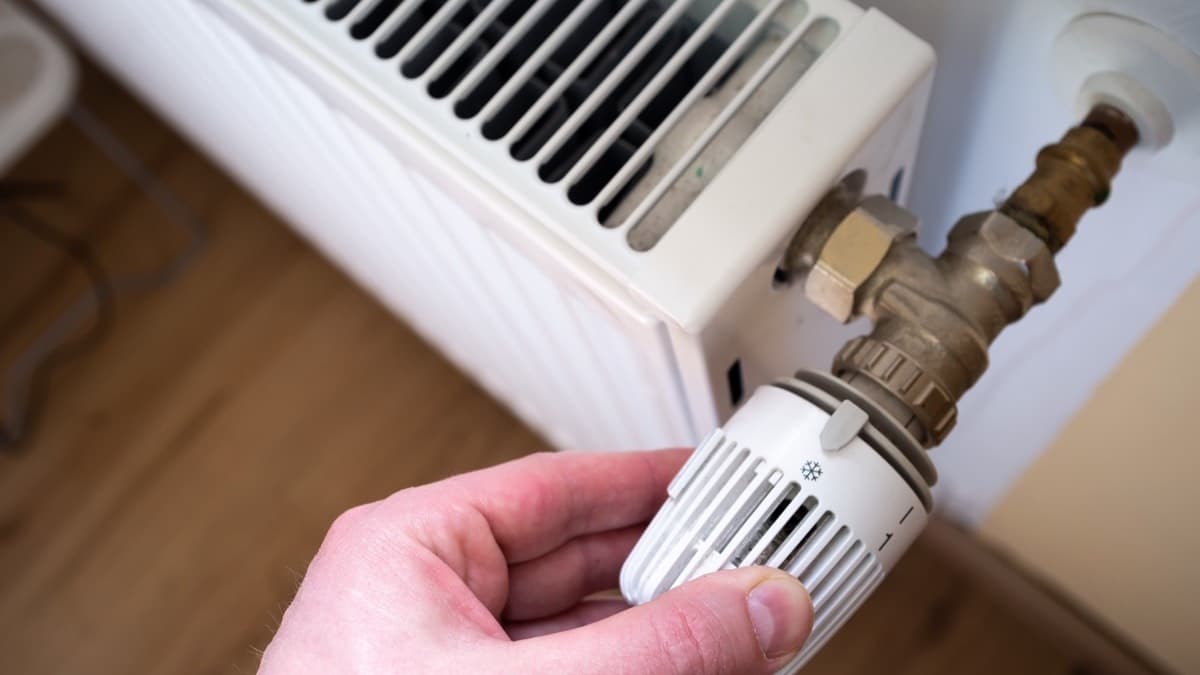
A hot-water system uses a pump to circulate heated water through pipes to the rooms. The heat comes out through baseboard convectors along the walls, through upright wall radiators that look like steam radiators, or through tubing under the floor. The water can also heat air through a coil and a blower.
Hot-water systems can be zoned, so only the parts of the house in use get heat. Zoning works through separate circulating loops, through zone valves run by separate thermostats, or through a central controller.
Radiant floors
A radiant floor system pumps heated water through tubing laid in a pattern under the floor. The tubing can sit in a concrete slab, a thin layer of concrete over the subfloor, or grooved wood panels, and the slab under it has to be insulated.
Radiant floors run on cooler water than radiators do. Thick carpet can cut how much heat comes through, so the floor covering matters. Radiant panels in walls and ceilings carry hot water through tubing the same way.
Keeping it working
Hot-water and steam systems can have trouble with corrosion that clogs their parts. Some upkeep is yours and some is a technician's.
What you can do:
- Bleed the trapped air from hot-water radiators once or twice a season. If you're not sure how, have a professional do it.
- Keep radiators and baseboard heaters clean, and keep furniture, carpet and drapes from blocking them.
- Put heat-resistant reflectors between radiators and outside walls, so more heat goes into the room.
What a technician checks:
- Both kinds. A test for carbon monoxide spilling into the house, the vent pipe and chimney, cracks or leaks in the heat exchanger, and the temperature controls.
- Hot water. The pressure-relief valve, the high-limit control, the expansion tank holding air rather than water, and the heat exchanger cleaned.
- Steam. Water drained from the boiler to clear sediment, the low-water cutoff and high-limit safety controls tested, clogged air vents and sticking steam traps replaced, and radiators that sit level and drain fully when cool.
An annotated example
What to do next
Find out whether your boiler makes steam or hot water, and whether the heat comes through radiators, baseboards or the floor. Bleed hot-water radiators at the start of the season, keep every radiator and baseboard clear, and book a yearly tune-up with an HVAC technician. What a furnace tune-up should include covers the checks that apply to any heating system.
Keep the boiler and radiators working
- Bleed the trapped air from each hot-water radiator
- Clear furniture away from the radiators and baseboards
- Book a boiler tune-up with an HVAC technician
FAQ
What is the difference between steam and hot-water heat?
A steam boiler makes steam that moves through the pipes on its own. A hot-water boiler heats water that a pump circulates to radiators, baseboards or tubing under the floor.
How often should I bleed my radiators?
Bleed trapped air from hot-water radiators once or twice a season. If you're not sure how, have a professional do it.
Does a boiler need yearly maintenance?
Yes. A technician checks for carbon monoxide spillage, the vent and the heat exchanger, and the safety controls on a hot-water or steam system.
Sources
Checked October 20, 2026
- Pacific Northwest National Laboratory and Oak Ridge National Laboratory, for the U.S. Department of Energy. Energy renovations, HVAC: a guide for contractors to share with homeowners (2011)
- U.S. Department of Energy. Energy Saver: Tips on saving money and energy in your home (2022)
- HVAC
- Owner
- Older home
- Either