Explainer
Lead in drinking water, flushing the tap and testing
Learn where lead in tap water comes from, use cold water and run the tap first, and get the water tested at a certified lab.
Satisfy+ Editorial · Published June 16, 2026 · 3 min read
At a glance
- Where it comes from
- Lead pipes, faucets, fixtures and solder
- Most at risk
- Young children, infants and pregnancy
- Habits
- Cold water only, run the tap first
- To know
- A test at a certified lab
There's no known safe level of lead in a child's blood. Lead gets into tap water when plumbing that contains it corrodes, and you can't see, taste or smell it in the water. A test is the only sure way to know whether yours has harmful amounts.
Where it comes from
The most common sources are lead pipes, faucets and fixtures. Where a lead pipe connects the house to the water main, called a lead service line, that pipe is typically the biggest source. Lead pipes are more likely in older cities and in homes built before 1986. In homes without a lead service line, the usual problem is brass or chrome-plated brass faucets, and plumbing joined with lead solder.
How much lead gets into the water depends on:
- The water's chemistry and minerals
- How much lead it touches
- The water's temperature
- How worn the pipes are
- How long the water sits in them
Who it affects most
Young children, infants and fetuses are especially vulnerable, since lead harms them at lower levels than adults. In children, even low levels in the blood can cause behavior and learning problems, lower IQ, slowed growth, hearing problems and anemia. Drinking water can make up 20 percent or more of a person's total lead exposure, and 40 to 60 percent for an infant fed mostly on formula mixed with tap water.
Bathing and showering should be safe even with lead in the water, since skin doesn't absorb lead from water.
Habits that cut it
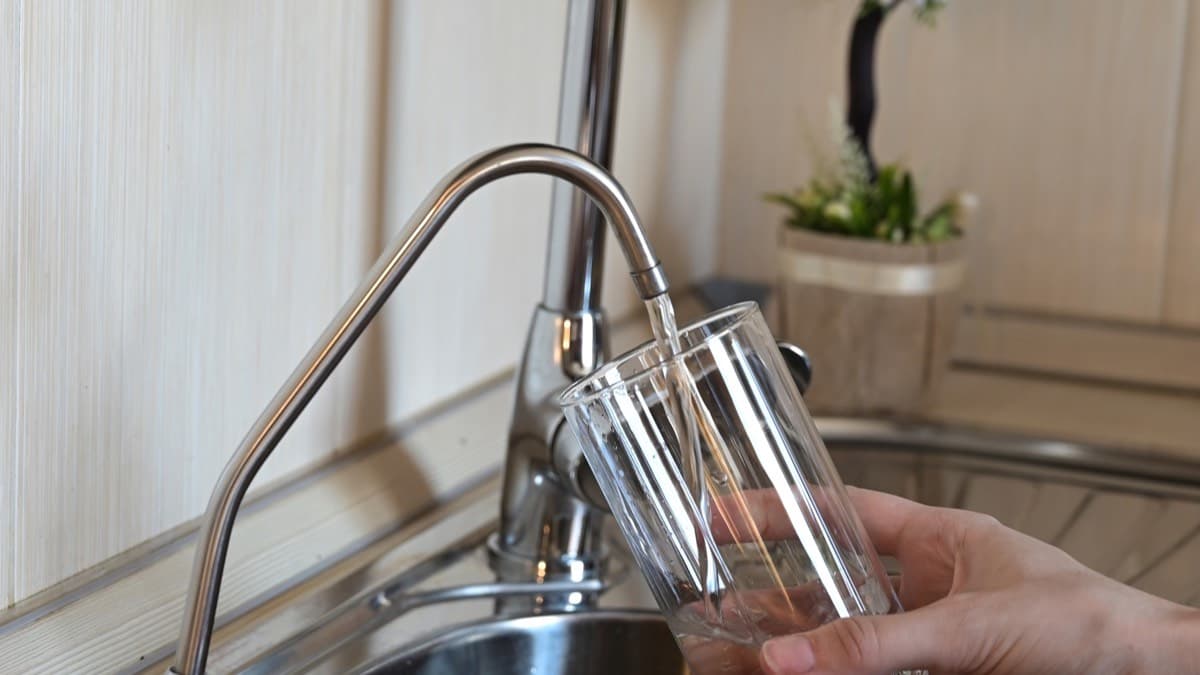
- Cold water only. Use only cold water for drinking, cooking and making baby formula. Boiling doesn't remove lead.
- Run the water first. The longer water sits in the pipes, the more lead it may hold. Before drinking, flush the pipes by running the tap, taking a shower, or running the laundry or dishwasher. Your water utility can tell you how long to run it.
- Clean the aerator. Sediment, debris and lead particles collect in the faucet's screen, so clean it regularly.
- A filter, used right. A filter has to be certified to remove lead. Don't run hot water through it, and replace the cartridge on time, since an expired one removes less.
Finding out
Start with your water utility. It can tell you whether the service line to your home is lead, and it publishes a yearly water quality report, called a Consumer Confidence Report, that you can ask for. If your water comes from a private well, your health department can tell you the contaminants of concern in your area.
For the water in your own house, your state or local drinking water authority keeps a list of certified labs. A test costs about $20 to $100. With a lead service line, watch for construction nearby, since ground tremors can release more lead from the line.
An annotated example
What to do next
Ask your water utility whether your service line is lead, and for its latest water quality report. Then book a test with a certified lab. Private wells, the yearly test and the upkeep around them covers testing a well.
Check the tap water for lead
- Ask the water utility if the service line is lead
- Clean the faucet aerators
- Book a lead test with a certified lab
FAQ
Does boiling water remove lead?
No. Use only cold water for drinking, cooking and baby formula.
Is it safe to shower in water with lead?
Bathing and showering should be safe, since skin doesn't absorb lead from water.
Sources
Checked October 19, 2026
- U.S. Environmental Protection Agency. Basic information about lead in drinking water (2026)
- Owner
- Plumbing
- Lead
- Tenant