Explainer
Mortar joints and repointing brick
Spot the signs that old mortar needs repointing, fix the leak behind it first, and know why the new mortar has to be softer than the brick.
Satisfy+ Editorial · Updated September 26, 2026 · 3 min read
At a glance
- Signs
- Crumbling mortar, cracked joints, loose bricks, damp walls
- First
- Fix the leak or the cause behind it
- New mortar
- Softer and more breathable than the brick and the old mortar
- Who
- A mason experienced with older masonry
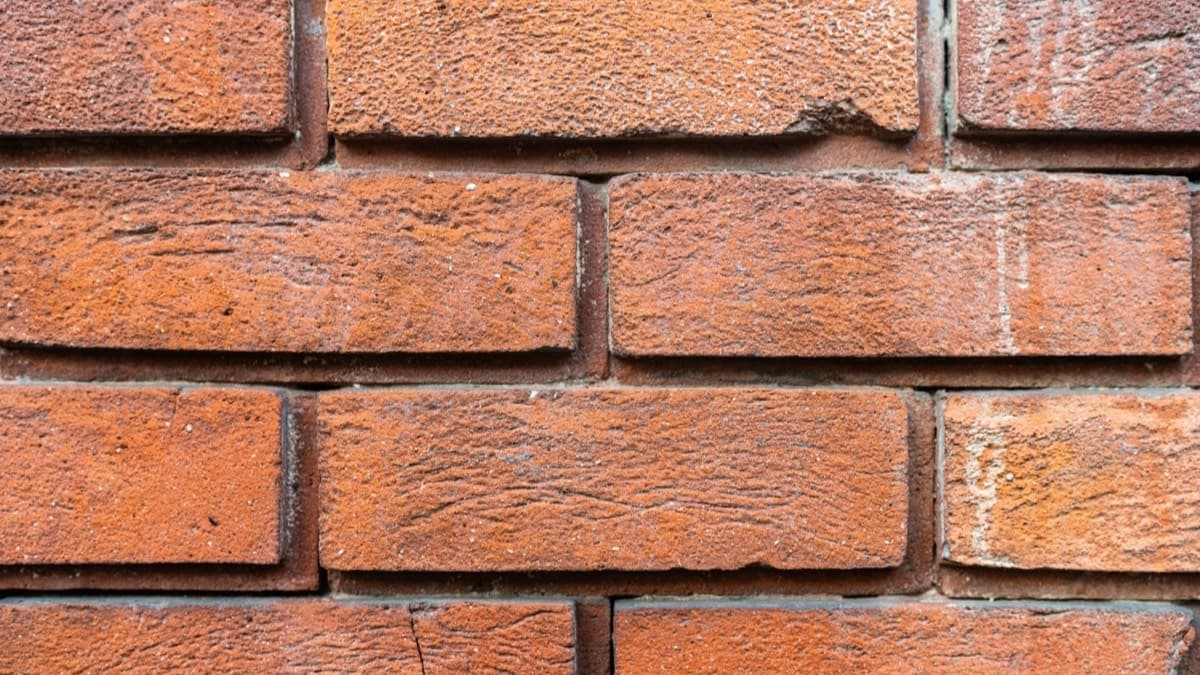
Brick, stone and block are found on nearly every older house, even when it's just the foundation or the chimney. Masonry lasts a long time, but the mortar joints wear out. Repointing means removing the worn mortar from the joints and filling them with new mortar. Done well, it restores both how the wall looks and how it holds together. Done badly, it looks wrong and can damage the bricks themselves.
Signs it's time
- Mortar that's crumbling or washing out of the joints
- Cracks in the mortar joints
- Loose bricks or stones
- Damp walls
- Damaged plaster on the inside of the wall
Repointing alone won't fix a problem caused by something else. Leaking roofs or gutters, settling, ground moisture wicking up into the wall and harsh weather exposure all wear out mortar. Deal with the cause before the repointing, or the mortar will keep failing and the repointing will be wasted.
Why the new mortar has to be softer
Mortar in an older wall is a bedding material between the bricks rather than a glue. The wall moves as it heats, cools, wets, dries and settles, and that stress has to go somewhere. Moisture also has to get out, and in an older wall it was meant to move through the mortar rather than the bricks.
So the new mortar has to be softer and more breathable than the bricks, and no harder or less breathable than the old mortar. Hard is not the same as better. A hard mortar heavy in portland cement doesn't give, so the bricks take the stress and crack or spall instead of the joint. It also traps moisture, and salts left behind as the water dries can pop the face off the bricks. When the joint gives way instead, it's an easy repair through repointing. A broken brick isn't.
Mortar in older houses was mostly lime and sand until portland cement came into common use in the early 20th century. Houses built between about 1873 and 1930 can have anything from pure lime mortar to mixes of lime, cement and sand. The new mortar should also match the old in color, texture and how the joint is finished. Matching the sand does most of that.
How the work is done
- Old mortar comes out to a depth of 2 to 2½ times the joint's width, about ½ to 1 inch for most brick, plus any loose mortar deeper than that.
- Hand chisels and a mash hammer do the least damage. Power saws and grinders in unskilled hands break brick edges and overcut the vertical joints.
- The work goes best with the wall between 40°F and 95°F, out of strong sun.
- It's better to repoint only the areas that need it. If a quarter to half or more of a wall needs work, doing the whole wall may cost less.
- A small test panel, about 3 feet by 3 feet on brick, sets the standard for the rest of the job.
An annotated example
What to do next
Walk around the house and note any crumbling mortar, cracked joints, loose bricks or damp patches. Look above each spot for a leaking gutter or downspout and get it fixed first. For the repointing, ask the mason for a test panel before the full job. Cleaning brick and stone without damaging them covers cleaning.
Look after the mortar joints
- Walk the house and note crumbling mortar and loose bricks
- Fix the leaking gutter or roof above any damp brick first
- Book a mason experienced with older masonry to repoint
FAQ
How do I know if my brick needs repointing?
Crumbling or washed-out mortar, cracked joints, loose bricks, damp walls and damaged plaster inside are the usual signs.
What mortar should be used to repoint old brick?
A mortar softer and more breathable than the brick and no harder than the old mortar, matched in color and texture. Older brick often needs a high-lime mortar rather than a hard portland cement mix.
Can I use a grinder to remove old mortar?
Grinders and saws in unskilled hands chip brick edges and overcut the joints. Hand chisels do the least damage.
Sources
Checked October 20, 2026
- National Park Service, Technical Preservation Services. Preservation Brief 2: repointing mortar joints in historic masonry buildings (1998)
- Exterior
- Hire
- Owner
- Older home