How-to
Pantry moths and beetles in stored food
Find every package the moths or beetles are living in, throw it out or freeze it, vacuum the shelves, and keep dry food in sealed containers from then on.
Satisfy+ Editorial · Published August 27, 2026 · 3 min read · 1.5 hr to do · Under $100

At a glance
- Most common
- The Indianmeal moth
- The fix
- Find and remove the infested food
- Freezer
- About a week at 0°F
- Shelves
- Vacuum them, and skip the spray
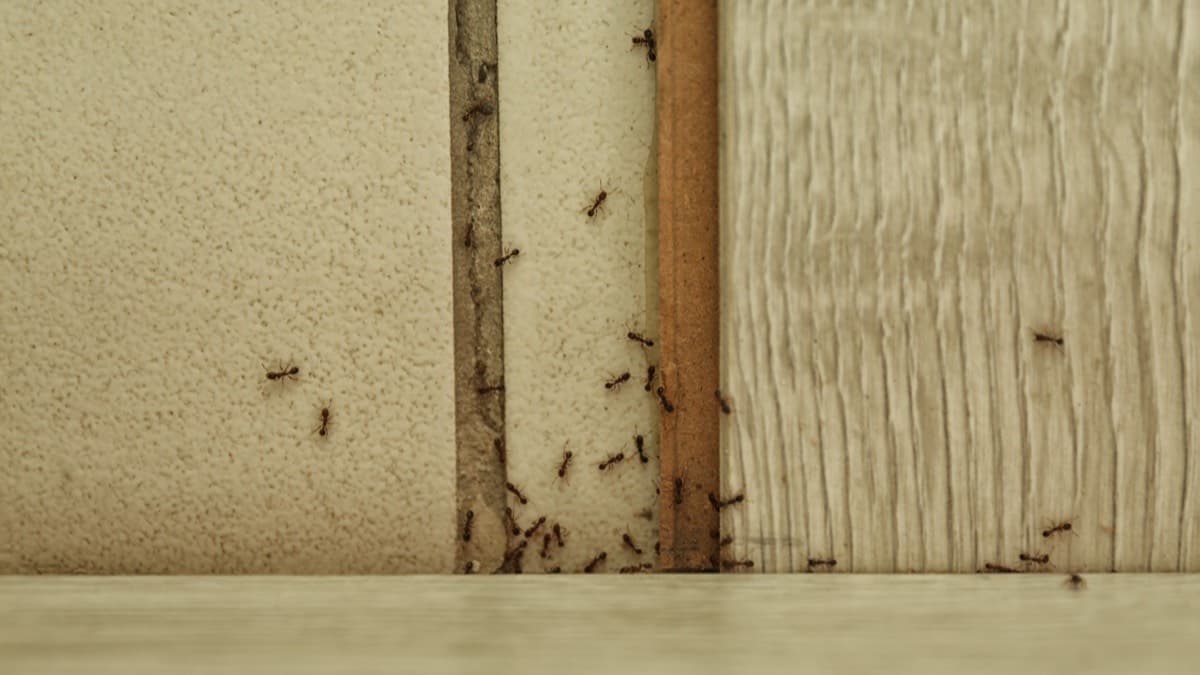
Small moths fluttering in the kitchen at dusk, or tiny beetles that keep turning up on the counter, usually mean something in the cupboard is infested. The Indianmeal moth is the most common pest of stored food in homes. Its wings are two-toned, beige and copper. The larvae do the eating and leave silk webbing in the food. Sawtoothed grain beetles are nearly as common. They're about 1/16 to 1/8 inch long and flat, with a row of small teeth on each side behind the head.
Spraying the moths and beetles you can see won't end it. The infestation keeps going until the food they're breeding in is found and removed.
What you need
- A flashlight
- A vacuum with a crevice tool
- Heavy trash bags
- Glass, metal or heavy plastic containers with tight lids
- A marker, for dating packages
Steps
- 1
Empty the cupboard
Take everything out of the cupboard or pantry where you see the insects.
15 min
- 2
Check every dry food
Look in flour, cereal, cornmeal, rice, pasta, cake mix, crackers, dried fruit, nuts, chocolate, spices, dried beans and popcorn. Check unopened boxes too. Lift the liner out of a cereal box and look between it and the cardboard, where the larvae like to spin their cocoons.
30 min
- 3
Look beyond the kitchen
Bird seed and dry pet food are common sources. So are rawhide treats, potpourri, dried flower arrangements and decorations made with beans, nuts, seeds or corn.
15 min
- 4
Get rid of what's infested
Seal it in a bag and put it straight into the outdoor trash.
10 min
- 5
Freeze what you want to keep
Hold it in the freezer at 0°F for about a week. A food you're not sure about can be heated in a 140°F oven for 15 minutes instead.
5 min
- 6
Vacuum the shelves
Pay attention to the cracks and corners, then empty the canister or throw out the bag. Washing the shelves with detergent, bleach, ammonia or a disinfectant does nothing to the insects.
15 min
- 7
Put the food back in sealed containers
Glass, metal or heavy plastic containers with tight lids, or the refrigerator or freezer, until you're sure the infestation is gone. Write the purchase date on packages and use the older ones first.
15 min
- 8
Check the cupboard for moths and webbing
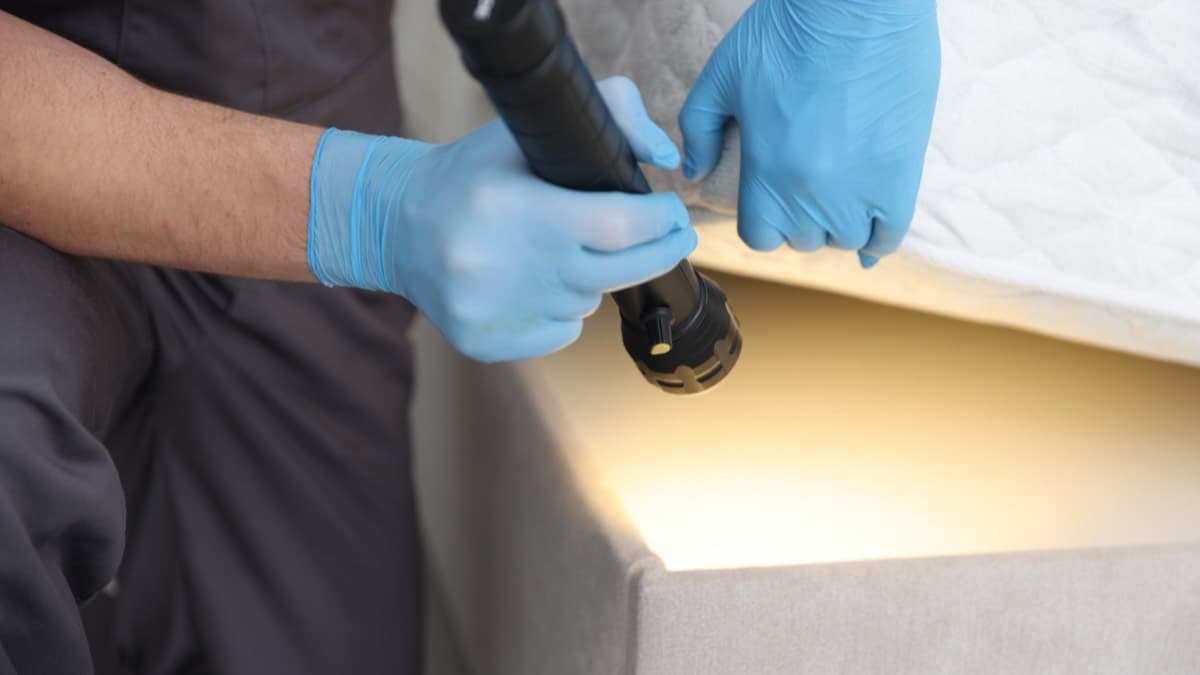
Look along the shelves, the ceiling of the cupboard and the seams where the larvae crawl to pupate. New silk or more moths mean an infested item is still somewhere in the house.
5 min
Clear the pantry pests
- Check every dry food package in the cupboards
- Vacuum the cupboard shelves, cracks and corners
- Move flour, cereal and bird seed into sealed containers
Keeping them out
- Store open packages of food in containers with tight lids. Some of these insects chew through packaging or slip into small openings.
- Keep bird seed in a sealed container away from the kitchen. Bird seed brought home already infested is where many cupboard infestations start.
- Vacuum up spilled food in the cupboards.
- Never spray an insecticide on food.
Traps
Pheromone traps draw in male insects, and food-lure traps draw insects with the smell of their food. They show whether the insects are there and whether your cleanup worked, but they don't get rid of an infestation. Use no more traps than the label says. Too many confuse the insects and work less well.
If the insects keep coming back after you've cleared the cupboards, a pest management professional can help find the source.
FAQ
How do I get rid of pantry moths?
Find and throw out every infested package, vacuum the shelves, and store dry food in sealed containers. Spraying the moths alone won't end the infestation.
Can I keep food that had pantry moths in it?
Food that isn't badly infested can be frozen at 0°F for about a week, or heated in a 140°F oven for 15 minutes.
Do pantry moth traps get rid of them?
No. Traps show whether moths are there and whether the cleanup worked.
Sources
Checked October 20, 2026
- University of Georgia Cooperative Extension. Stored product pests in the home (Bulletin 1378) (2023)
- Iowa State University Extension and Outreach. Indianmeal moth (2016)
- Owner
- Pests
- Under $100
- Beginner
- Tenant
- DIY