Explainer
Tank, tankless or heat pump water heater
Compare tank, tankless and heat pump water heaters by how they work, how long they last and what each needs to install, and size one from the heater you have.
Satisfy+ Editorial · Published September 4, 2026 · 3 min read
At a glance
- Share of home energy
- About 18 percent goes to heating water
- Tank life
- 10 to 15 years
- Tankless life
- More than 20 years
- Heat pump
- 2 to 3 times as efficient as a standard electric tank
Heating water takes about 18 percent of a home's energy, which makes it the second-largest energy expense in the home.
Tank (storage) water heaters
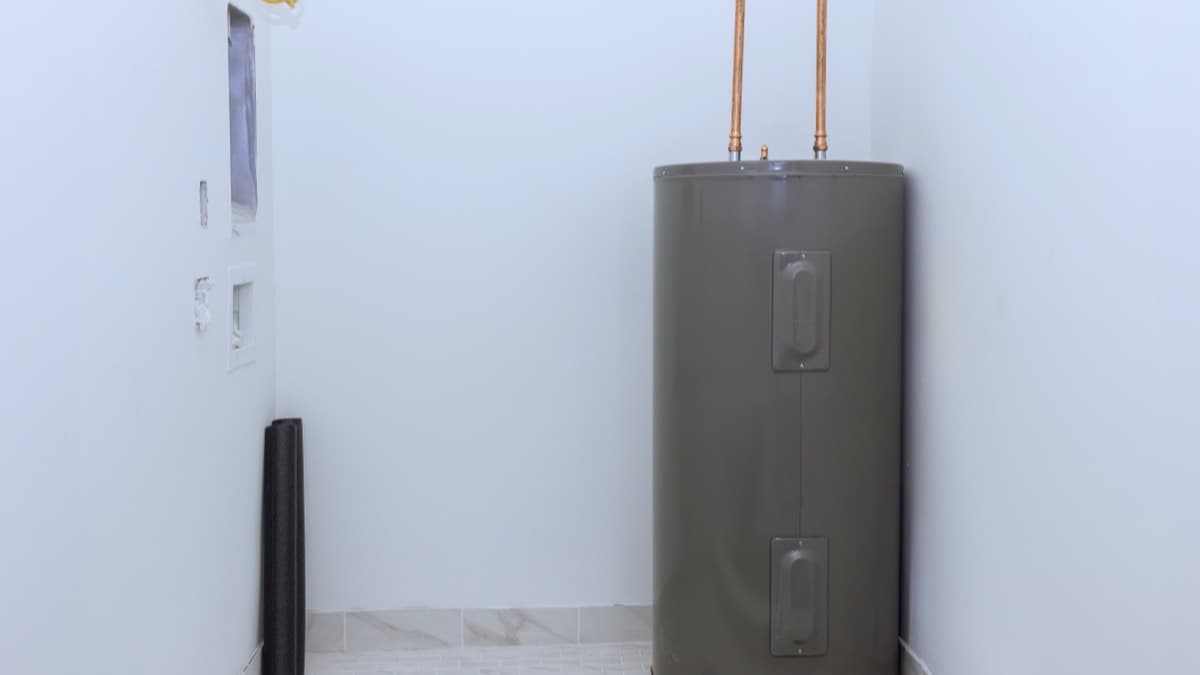
A storage water heater keeps a tank of hot water ready. It's the most common kind, and it lasts 10 to 15 years.
Two numbers describe how much hot water a tank delivers: the capacity in gallons and the first-hour rating. The first-hour rating is how much hot water the heater can deliver in a busy hour. If your current heater meets your needs most of the time, a replacement of the same size probably will too.
Tankless water heaters
A tankless heater heats water only when a tap is opened, so it doesn't lose heat from stored water. Tankless heaters last more than 20 years.
In a home using 41 gallons of hot water a day or less, a tankless heater is 24 to 34 percent more efficient than a storage heater. At around 86 gallons a day, the gain drops to 8 to 14 percent. A home running several showers and appliances at once may need two or more units.
Tankless heaters are rated in gallons per minute rather than tank size. On average, a shower or bathtub uses 2.5 gallons per minute and a clothes washer 3.3. A sink uses 2.2 and a dishwasher 1.3. For a gas tankless heater, the installer checks whether the gas line is large enough, whether power is needed nearby and how the exhaust will be vented.
Heat pump water heaters
A heat pump water heater takes heat from the surrounding air and moves it into the water in the tank. It's 2 to 3 times as efficient as a conventional electric water heater.
It needs an indoor space that stays between 40 and 90°F all year, with 1,000 cubic feet of air around it. It can cool the space it's in, and it may take longer to install than a standard water heater.
Labels and planning
ENERGY STAR certifies heat pump, high-efficiency gas storage, gas tankless and solar water heaters. Standard electric tanks and electric tankless heaters aren't eligible. The yellow EnergyGuide label gives a model's estimated yearly operating cost, so you can compare models.
An annotated example
What to do next
Photograph the nameplate and the EnergyGuide label on the water heater you have. The tank's capacity is on one or the other, and it's the starting point for sizing a replacement. Note the fuel, the age and the temperature of the room it's in, and keep those details with your home records.
Record the water heater's details
- Photograph the water heater's nameplate and label
- Write down the tank size and fuel type
FAQ
How long does a tankless water heater last?
More than 20 years, compared with 10 to 15 for a storage tank.
Where can a heat pump water heater go?
In an indoor space that stays between 40 and 90°F all year, with 1,000 cubic feet of air around it.
Sources
Checked October 19, 2026
- U.S. Department of Energy. Energy Saver: Tips on saving money and energy in your home (2022)
- ENERGY STAR. Whole home tankless gas water heaters (2026)
- ENERGY STAR. High efficiency gas storage water heaters (2026)
- ENERGY STAR. Heat pump water heaters (2026)
- ENERGY STAR. How it works, heat pump water heaters (2026)
- $1,000 to $10,000
- Owner
- Water heater