Explainer
Termites, the signs and keeping them out
Learn the signs of termites in a house, the upkeep that makes it less inviting to them, and what a professional treatment involves.
Satisfy+ Editorial · Updated May 27, 2026 · 2 min read
At a glance
- Most common kind
- The native subterranean termite
- Often first seen
- A swarm, or damage found during work
- Check
- Probe exposed wood for hollow spots
- Treatment
- Usually a job for a licensed professional
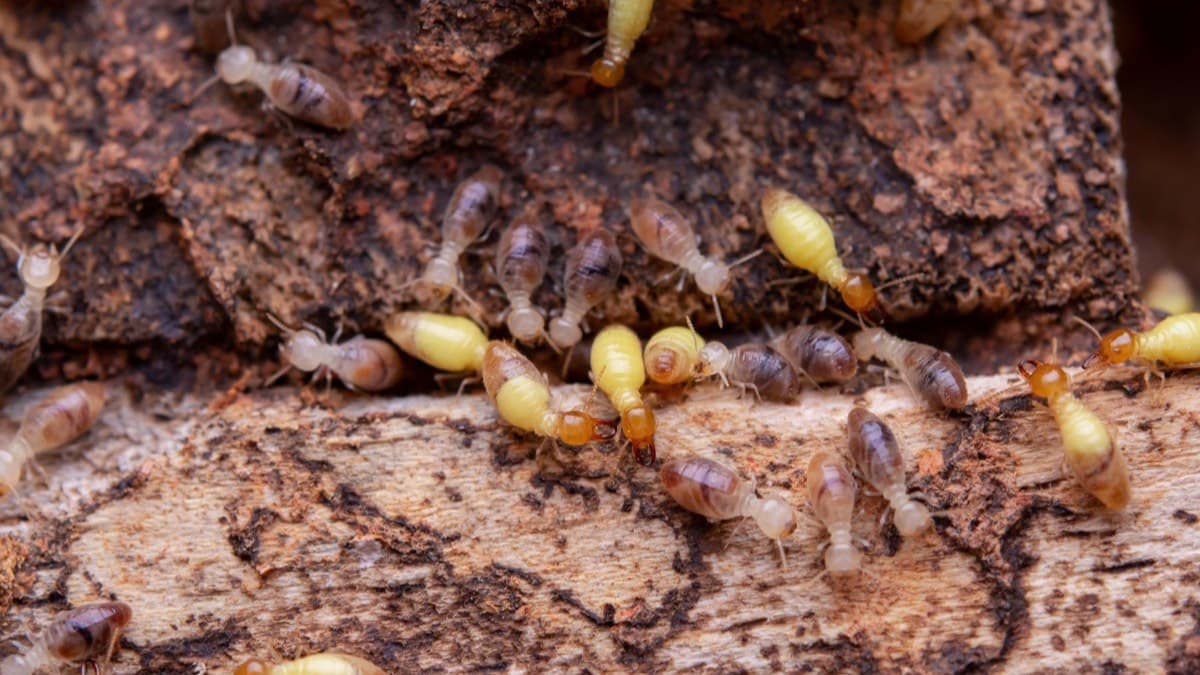
Termites cause billions of dollars in damage to buildings every year. They rarely come out of the soil, the mud tubes or the wood they tunnel through, so most people don't know they have them until they see a swarm or find damage during a repair. The native subterranean termite is the most common kind across most of the country. The smaller drywood termite and the invasive Formosan termite are less common.
The signs
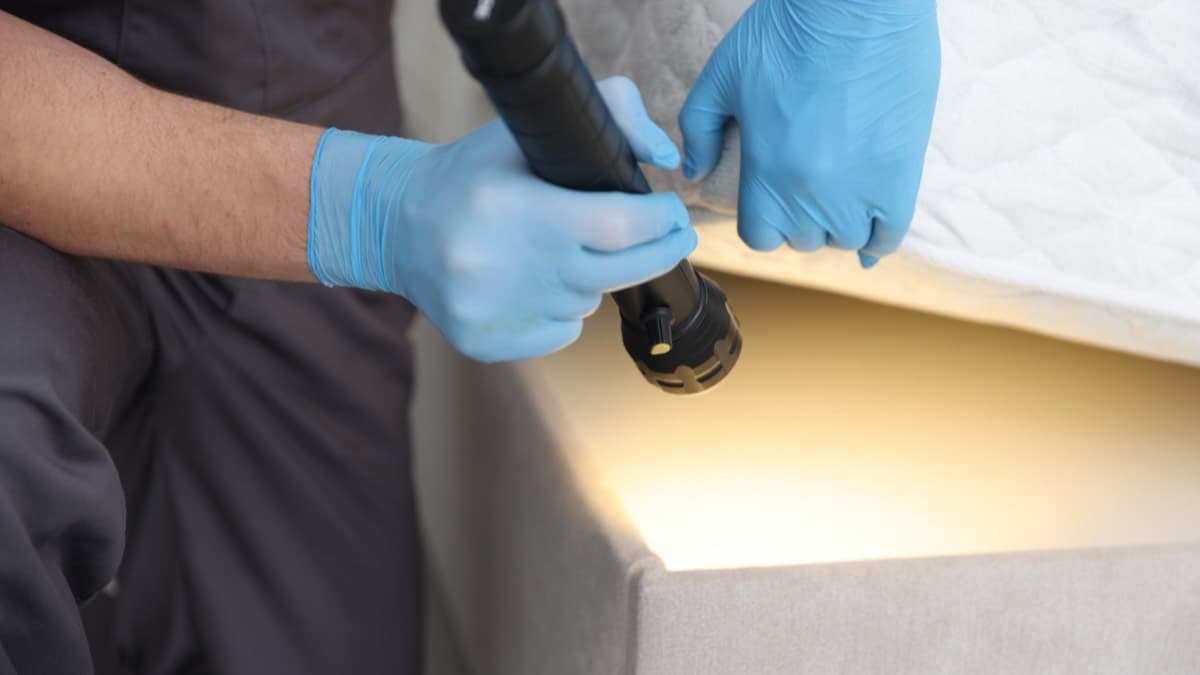
Probe exposed wood with a flathead screwdriver to find hollow spots. Watch for swarms, though swarming ants are sometimes mistaken for termites. Look for mud tubes on the foundation, which termites tunnel through.
Keeping them out
The ground around the foundation should stay dry, with good grading and gutters and downspouts that carry water away. Fill cracks in the foundation, and the gaps where pipes and wires pass through the walls, with cement, grout or caulk. Keep vents clear, including of plants. Plant trees and shrubs away from the house so they never grow against exposed wood. Store firewood and wood debris away from the house, never against it.
What treatment involves
The two common treatments are a barrier of termiticide applied to the soil and bait systems that use cellulose with a slow-acting insecticide. Many termiticides are highly toxic, and a barrier treatment done badly can contaminate the house and nearby wells without stopping the termites. A licensed, trained pest management professional is the one to apply them. Ask to see the company's license and a copy of the product label, and find out when it's safe to go back into the house.
An annotated example
What to do next
Once a year in spring, walk the foundation and probe any exposed wood. Move firewood away from the house, clear plants off the vents and keep the gutters draining away. If you find a sign, have a licensed pest management company inspect before you treat anything yourself.
Keep the house less inviting to termites
- Check exposed wood around the foundation for hollow spots
- Move firewood and wood debris away from the house
- Clear plants away from the foundation vents
FAQ
How do I know if I have termites?
Look for a swarm, hollow spots when you probe exposed wood, and mud tubes on the foundation.
Can I treat termites myself?
Termiticide treatments are usually a job for a licensed pest management professional, since many are highly toxic.
What attracts termites to a house?
Damp soil at the foundation, wood touching the ground, and firewood or plants against the house.
Sources
Checked October 19, 2026
- U.S. Environmental Protection Agency. Termites: how to identify and control them (2026)
- Foundation
- Owner
- Pests
- DIY