How-to
Testing your sump pump before the rainy season
Test the sump pump before the spring thaw or the rainy season by clearing the outlet pipe, checking the pit, and filling it with water until the pump runs.
Satisfy+ Editorial · Published August 7, 2026 · 2 min read · 15 min to do · Free
At a glance
- Before
- The spring thaw or the rainy season
- Time
- About 15 minutes
- Pass
- The pump turns on and off at least twice
- Tools
- A flashlight and a bucket of water
For many homes, the sump pump is the first defense against a wet basement. Water from the drain tile around the foundation collects in the pit, and the pump pushes it outside. A pump that has sat idle all winter can fail the first time it's needed, so test it before the spring thaw or the rainy season.
What you need
- A flashlight
- A bucket of water
Steps
- 1
Check the pipe outside
Find where the discharge pipe comes out of the house. Clear anything blocking it, and make sure it sends the water away from the foundation.
3 min
- 2
Check the power
Make sure the pump is plugged in.
1 min
- 3
Look in the pit
Take off the lid, if there is one, and shine the flashlight in. If anything is in there that could jam the pump or the float, unplug the pump before you reach in to take it out.
2 min
- 4
Lift the float, if the pit is dry
Lift the float for about 10 seconds. The pump should start and run smoothly. Lower the float slowly. Running it dry this briefly won't hurt it.
1 min
- 5
Or pour in water
Pour water into the pit, about as fast as water normally comes in, until the float rises and the pump starts. Watch the float and listen to the motor.
5 min
- 6
Watch it cycle twice
Let the pump empty the pit and shut off, then fill it again. It should turn on and off at least twice. Put the lid back.
3 min
Test the sump pump
- Test the sump pump with a bucket of water
- Check the sump discharge pipe outside is clear
If something's off
A pump that sounds like it's pumping gravel, or a float that moves sluggishly, can mean the pump or the float needs work. Have a plumber look at it. Two common causes of failure are worn or rusted motor bearings, and a float switch that doesn't make good contact, so the pump starts late or not at all. If you're new to sump pumps, have a licensed plumber look at it before the thaw.
The two kinds of pump
- Pedestal. The motor sits on a post about a foot above the pit, and a ball float on a rod works the switch. You can see the switch without looking into the pit. The motor isn't meant to get wet.
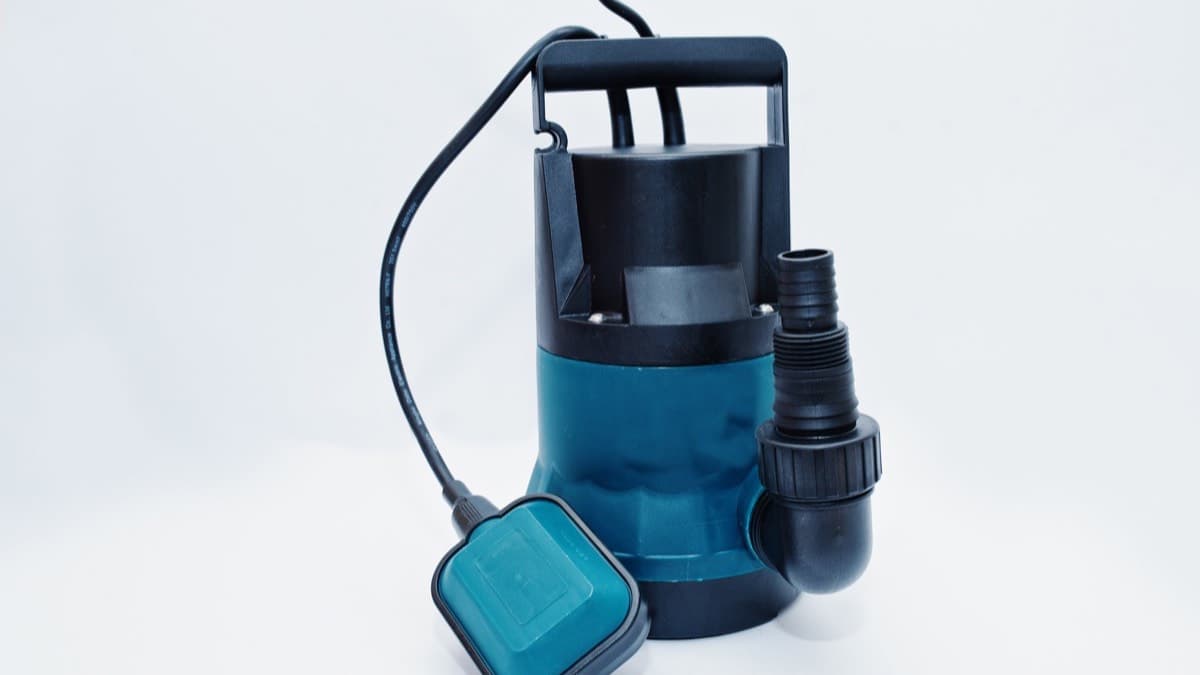
- Submersible. The whole pump sits on the bottom of the pit, under water. A float switch turns it on as the water rises and off as it drops.
A backup pump
Many houses have a battery backup pump in the same pit, which runs only if the main pump fails. Test it the same way as the main pump. Dehumidifiers and a damp basement covers the dampness a working pump doesn't fix.
FAQ
How do I test a sump pump?
Pour water into the pit until the float lifts and the pump starts, or lift the float by hand in a dry pit. The pump should turn on and off at least twice.
Can a sump pump run dry?
For a few seconds while you test it, yes. It won't damage the pump.
Sources
Checked October 19, 2026
- North Dakota State University Extension. Sump pumps (2026)
- Foundation
- Owner
- Beginner
- Free
- Flood
- DIY