Explainer
Dehumidifiers and a damp basement
Measure the humidity in your basement, pick a dehumidifier sized to how damp it is, set it up to drain on its own, and fix the outside problems that let the water in.
Satisfy+ Editorial · Published May 8, 2026 · 3 min read
At a glance
- Aim for
- 30 to 50 percent humidity
- Too high
- Over 60 percent
- Meter
- A hygrometer, about $10 to $50 in 2026
- Size by
- The room's area and how damp it is
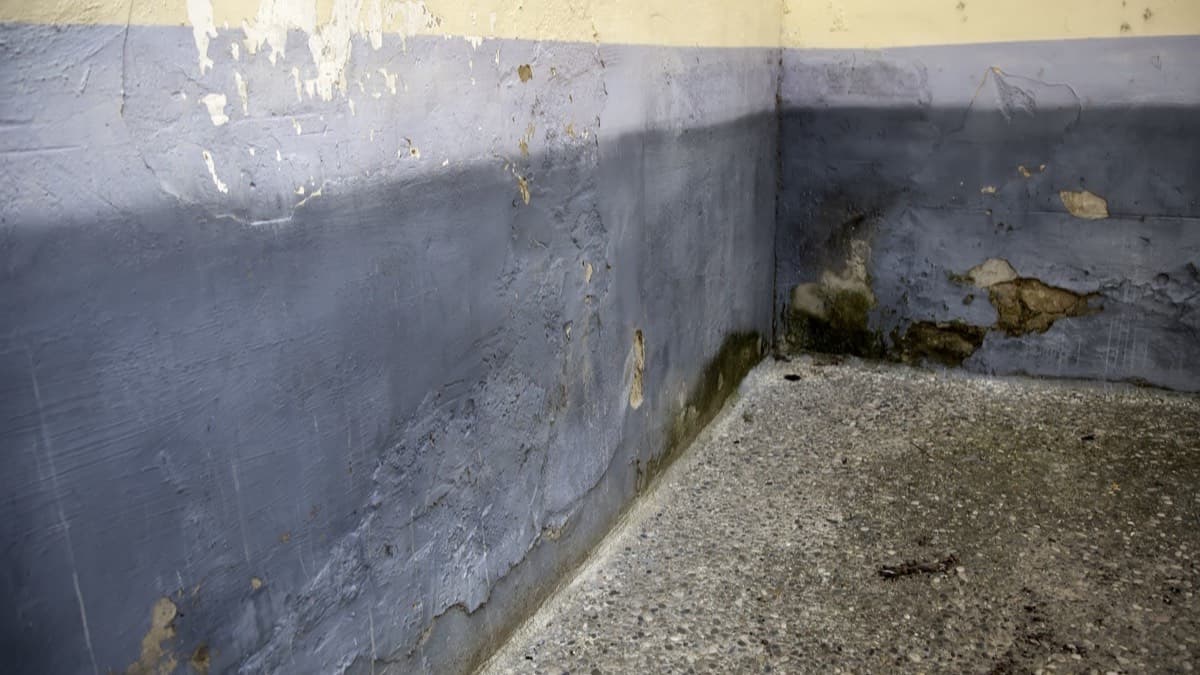
Keep indoor humidity below 60 percent, and ideally between 30 and 50. Above that, mold can start to grow. A basement that feels damp and smells musty is usually somewhere between 50 and 75 percent. A dehumidifier brings it back down.
Measuring it
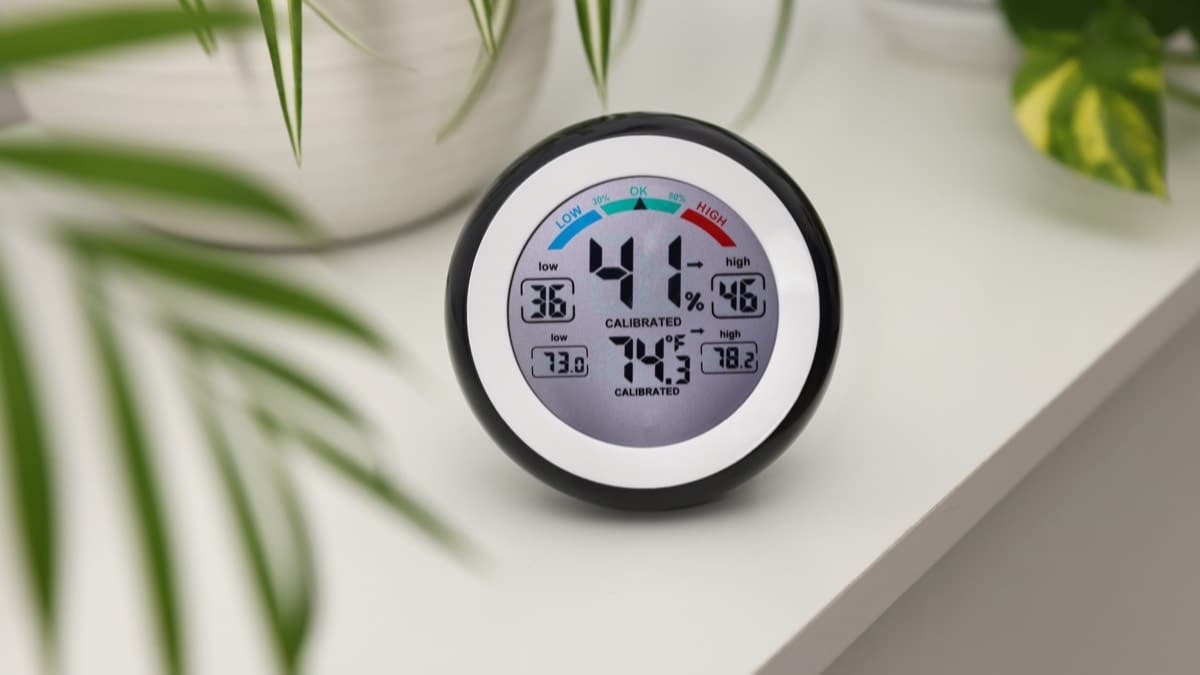
A humidity meter, called a hygrometer, costs about $10 to $50 at a hardware store in 2026. If your dehumidifier doesn't show the humidity, hang a hygrometer near it. Water beading on the windows, walls or cold pipes is another sign the air is too damp.
Picking the size
Dehumidifiers are rated by how many pints of water they pull out of the air a day. The size you need depends on the room and how damp it is without one:
| Condition | What you see | Room under 2,000 sq ft | Room over 2,000 sq ft |
|---|---|---|---|
| Slightly to moderately damp | Feels damp, musty smell at times, 50 to 75 percent humidity | 20 to 30 pints | 30+ pints |
| Very damp | Always feels and smells damp, damp spots on walls and floor, 75 to 90 percent | 25 to 40 pints | 40+ pints |
| Wet | Walls or floor sweat, water seeps in, 90 to 100 percent | 30 to 50 pints | 50+ pints |
If you're between two sizes, go up. If you're replacing an old unit, the amount of water you empty from it each day is a good guide. An ENERGY STAR model removes the same water as a standard one with 20 percent less electricity.
Setting it up
- Set the humidity. ENERGY STAR models have a built-in humidistat. Set it to the level you want, and the unit turns itself on and off to hold it.
- Give it room. If the air doesn't come out the top, keep the unit away from walls and furniture.
- Close the doors and windows while it runs.
- Keep it out of the dust. Sawdust and dirt clog the coils.
- Run a drain hose. A hose from the unit to a floor drain or the sump means you never empty the bucket. Put the unit close enough to the drain that the hose isn't a trip hazard, keep the hose away from cords, and plug the unit into a grounded outlet.
- Watch for frost in a cold basement. Below about 65°F, frost can build up on the coils and stop the unit pulling out water. If it does, turn the unit off and let it thaw.
Stopping the water at the source
Better drainage outside lowers the humidity in the basement. Extend the downspouts so they empty well away from the foundation, and keep the gutters and downspouts clear. Gutter cleaning means a ladder, so have it done. Slope the soil so it falls away from the house, and don't overwater the beds along the foundation. Inside, make sure the clothes dryer vents outdoors, and fix any dripping outdoor faucet.
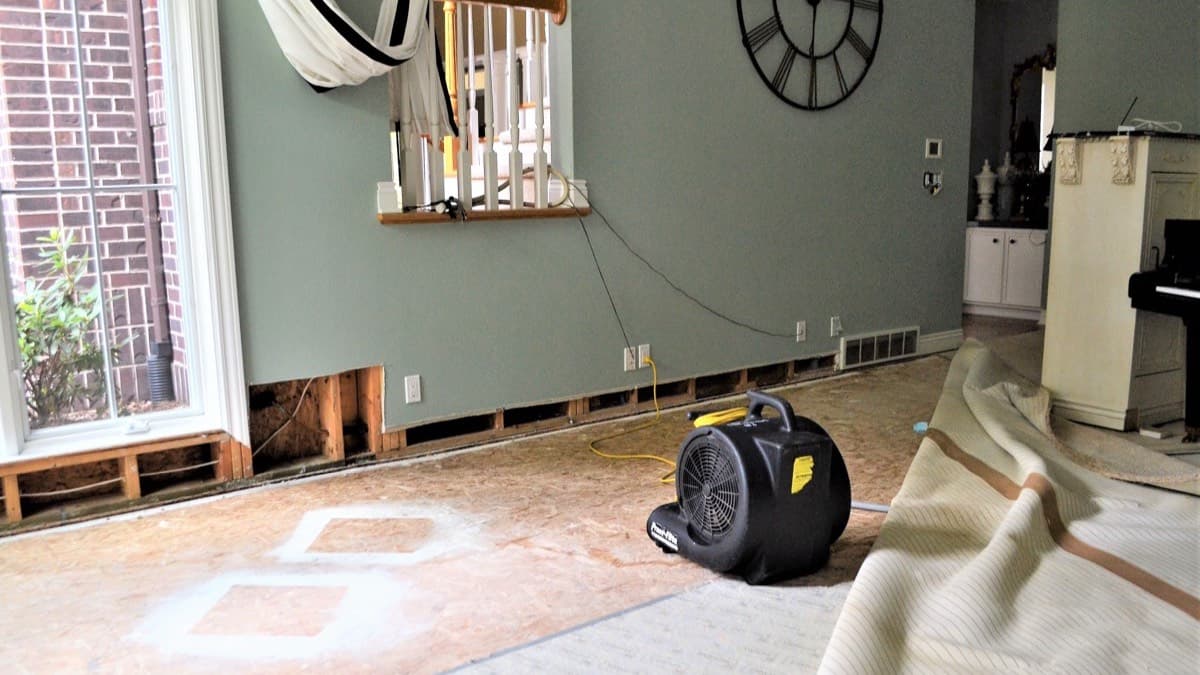
If water does get in, dry the wet area and anything wet within 24 to 48 hours. In most cases that's soon enough to stop mold.
An annotated example
What to do next
Put a hygrometer in the basement for a week in summer and write down the readings. If they stay above 50 percent, use the chart to pick a size. Small mold cleanup covers mold that's already there.
Check the basement humidity
- Put a hygrometer in the basement and note the reading
- Check the downspouts carry water away from the foundation
FAQ
What humidity should a basement be?
Below 60 percent, and ideally between 30 and 50.
What size dehumidifier do I need?
It depends on the room's size and how damp it is. A slightly damp room under 2,000 square feet needs 20 to 30 pints a day. A large, wet basement needs 50 or more.
Sources
Checked October 19, 2026
- ENERGY STAR. Dehumidifiers (2026)
- U.S. Environmental Protection Agency. A brief guide to mold, moisture and your home (2026)
- Foundation
- Owner
- Summer
- Mold