Checklist
What a furnace tune-up should include
Learn what a yearly furnace tune-up should check, from the burner and heat exchanger to the flue pipe, so you can tell a full visit from a quick look.
Satisfy+ Editorial · Published August 10, 2026 · 2 min read
At a glance
- When
- Every fall, before the heating season
- Who
- A heating and cooling contractor
- Your part
- The filter, once a month
- Safety checks
- Gas connections, burner, heat exchanger and flue pipe
Have the heating system checked every fall. Contractors get busy once winter arrives, and the fall clock change is an easy date to remember. A furnace that burns gas or oil should be inspected and serviced before each heating season to protect against carbon monoxide poisoning.
Ask the technician about any item below that wasn't done.
Before the visit
- Write down the furnace's model and service history
- Note any room that never gets warm
- Clear the space around the furnaceThe contractor needs room to open the panels and reach the burner, the filter and the flue pipe.
Checks on any heating system
- Thermostat settingsThe technician checks that the system turns on and off at the temperatures you set.
- Electrical connectionsThe technician tightens connections and measures the voltage and current on the motors. Faulty connections can make the system run unsafely and shorten the life of major parts.
- Moving parts lubricatedParts without lubrication cause friction in the motors and raise the electricity the system uses.
- The condensate drainA plugged drain can cause water damage, raise indoor humidity and grow bacteria and mold.
- Controls and the starting cycleThe technician runs the system to confirm it starts, runs and shuts off properly.
- The air filterThe technician inspects, cleans or changes it, and can show you how to do it yourself. On some systems the filter is in the ductwork rather than in the furnace.
Gas or oil furnace checks
- Gas or oil connections and gas pressureA faulty gas or oil connection is a fire hazard and can cause health problems.
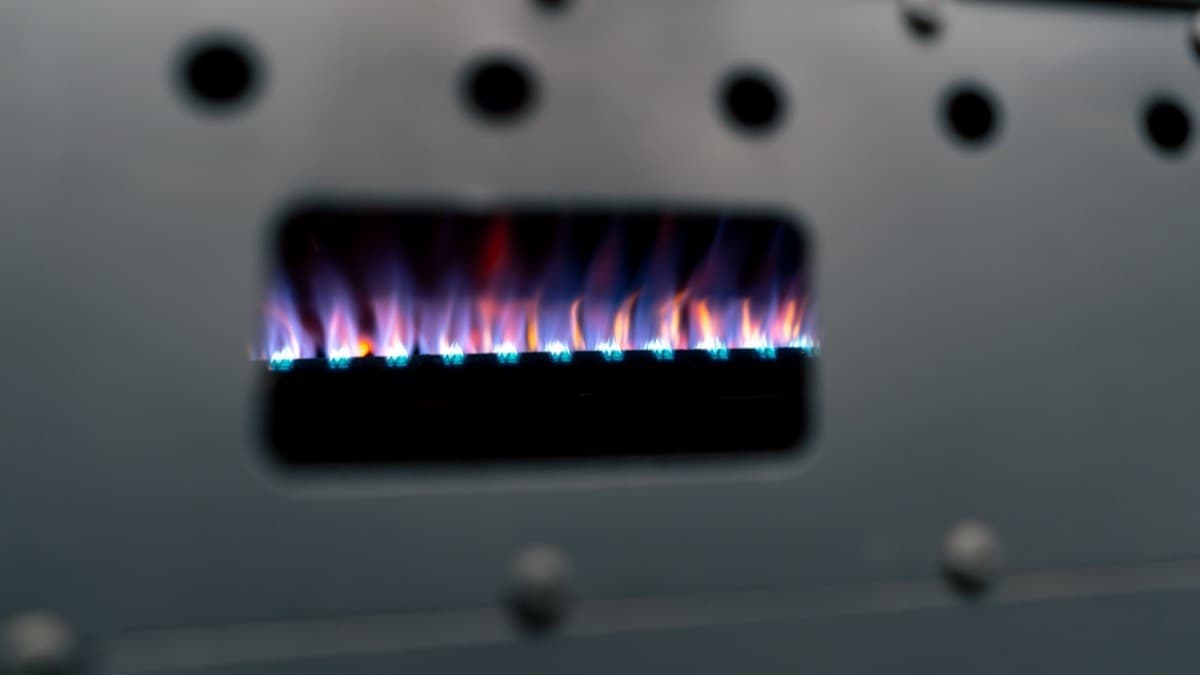
- Burner combustionA dirty burner makes the furnace run less safely and less efficiently.
- The heat exchangerA cracked heat exchanger causes improper burner operation. Ask the technician to tell you what they found.
- The flue pipeThe technician inspects it for rust, disconnections and signs of back drafting.
After the visit
- Ask for a written list of what was doneFile it with the furnace's records, so next year's technician can see this year's findings.
- Get any repair in writing firstAsk for a written, itemized estimate, and compare cost, efficiency and warranty if you get more than one.
- Ask whether it's safe to runA cracked heat exchanger or a leaking gas connection is a safety finding. Ask the technician whether the furnace can run until the repair is done.
- Check the filter every monthChange it when it looks dirty, and at least every 3 months.
Have the furnace tuned up before winter
- Book the furnace tune-up
- Write down the furnace model and service history
- Check the furnace filter
A cooling check is a separate visit
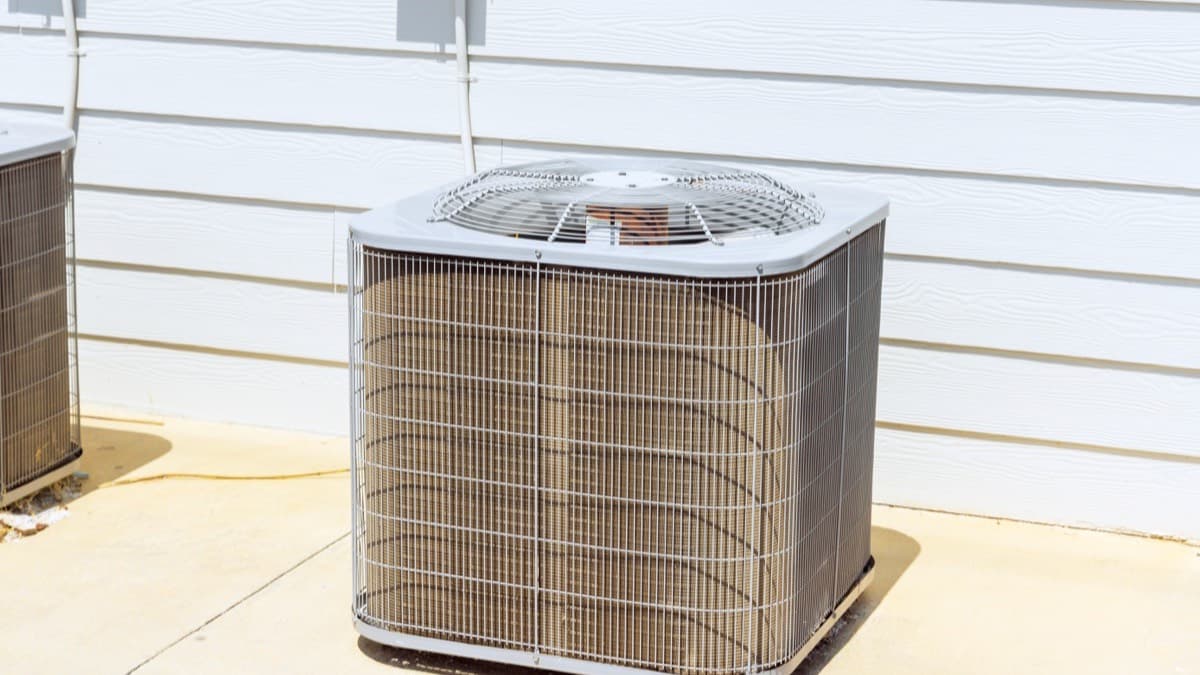
The cooling check-up goes in the spring. That visit cleans the coils and checks the refrigerant, which a furnace visit doesn't cover. If you have a heat pump, it heats and cools, so it gets both visits.
FAQ
How often should a furnace be serviced?
Once a year, before the heating season.
Can I do the tune-up myself?
The filter is yours to change. The gas connections, burner, heat exchanger and flue pipe are work for a heating contractor.
Sources
Checked October 19, 2026
- ENERGY STAR. Maintenance checklist (2026)
- U.S. Environmental Protection Agency, ENERGY STAR. A guide to energy-efficient heating and cooling (2009)
- ENERGY STAR. 10 tips for hiring a heating and cooling contractor (2026)
- ENERGY STAR. Heat and cool efficiently (2026)
- U.S. Environmental Protection Agency. Should you have the air ducts in your home cleaned? (2026)
- Hire
- HVAC
- Owner
- Fall