How-to
How to winterize your home
Before the first hard freeze, disconnect the outside hoses, insulate exposed pipes, test the alarms and keep the heat at 55°F or higher.
Satisfy+ Editorial · Published September 29, 2026 · 3 min read · 2 hr to do
At a glance
- Time
- About two hours
- Skill
- Beginner
- When
- Before the first hard freeze
- Lowest thermostat setting while you're away
- 55°F
Water expands as it freezes, and the pressure can break a metal or plastic pipe, however strong it is. Most of the prevention takes an afternoon and a few lengths of foam pipe insulation.
What you need
- Foam pipe insulation sleeves sized to your pipes
- Caulk and a caulk gun, or weatherstripping for doors and windows
- A replacement furnace filter in the size printed on the old one's frame
- A flashlight for the basement
Steps
- 1
Find the main shut-off valve
Find the valve on the water line where it comes into the house, often through the foundation. If a pipe bursts, this is the valve you close first. Learn how it works, and make sure everyone in the house knows how to shut off the water.
10 min
- 2
Disconnect the outside hoses
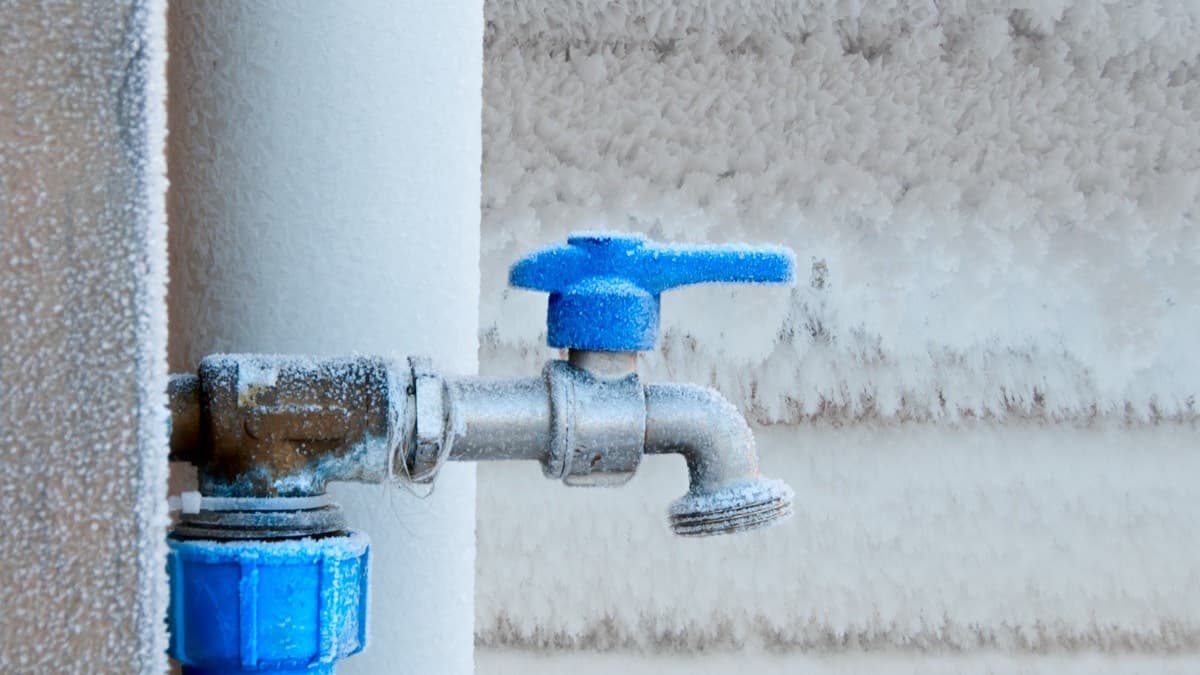
Unhook the garden hoses from the outdoor faucets, drain them, and store them. Close the indoor valves that feed the outdoor faucets, then open the outdoor faucets and leave them open so they drain.
15 min
- 3
Insulate exposed pipes
Fit foam sleeves over the hot and cold pipes in unheated spots, such as the basement, the garage and under the sinks. Adding insulation to the attic, the basement and the crawl space keeps those spaces warmer too.
45 min
- 4
Seal the cold air out
Caulk and weatherstrip the gaps that let cold air in, around doors and windows.
30 min
- 5
Change the furnace filter
Slide out the old filter, note the arrow that shows the airflow direction and put the new one in facing the same way. Check it every month during the heating season.
5 min
- 6
Test the alarms
Press the test button on each smoke alarm and carbon monoxide alarm. Both should have battery backups.
10 min
- 7
Check the thermostat and the pipes
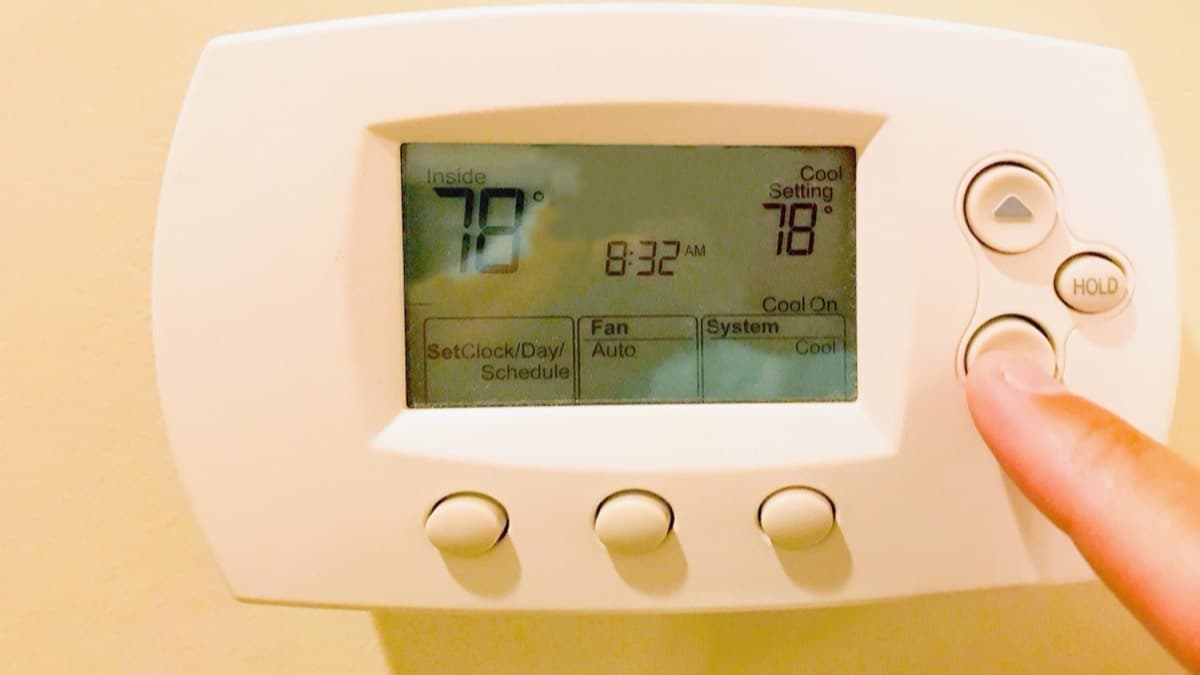
If you'll be away, set the thermostat no lower than 55°F and have someone check the house each day to make sure the heat is still on. Then walk past the pipes you insulated. The sleeves should be in place and the outdoor faucets bare.
5 min
Get the house ready for winter
- Get the house ready for winter
Book the heating check-up
Have the heating system checked every fall, before you need it. A heating contractor checks the gas or oil connections, the gas pressure, the burner and the heat exchanger. A dirty burner or a cracked heat exchanger makes the furnace run less safely. Book early, because contractors get busy once winter comes.
On the coldest nights
When it's very cold, let a faucet served by exposed pipes drip, such as one on an outside wall. Even a trickle helps keep the pipe from freezing. Open the cabinet doors under the sinks so warm room air gets to the pipes inside, and keep the thermostat at the same setting day and night.
If a pipe freezes
If you turn on a faucet and only a trickle comes out, suspect a frozen pipe. Keep the faucet open and warm the pipe with a hair dryer, an electric heating pad or towels soaked in hot water. Never thaw a pipe with a torch or any other open flame. If you can't find the frozen spot or can't thaw it, call a licensed plumber. If a pipe bursts, close the main shut-off valve first.
FAQ
What temperature should I leave the heat at when I travel?
No lower than 55°F.
Do I need to drain the outdoor faucets?
Disconnect the hoses at least. If your outdoor faucets have a separate shut-off valve inside the house, close it and open the outside faucet to let the water out.
Sources
Checked October 20, 2026
- American Red Cross. Frozen pipes (2026)
- National Weather Service, Albany, New York. Cold weather safety tips (2019)
- Ready.gov (FEMA). Winter weather (2026)
- ENERGY STAR. Maintenance checklist (2026)
- Cold
- HVAC
- Plumbing
- Beginner
- Winter
- DIY