Explainer
Wood rot around the house and where it starts
Learn why wood only rots when it stays wet, how brown rot and white rot look, and the places around a house where water keeps wood wet long enough to decay.
Satisfy+ Editorial · Published August 27, 2026 · 3 min read
At a glance
- Rot needs
- Wet wood, mild temperatures and air
- Safe moisture
- Air-dried wood at 20% or less doesn't decay
- Brown rot
- Dark, cracked into cubes, crumbles to powder
- White rot
- Bleached, spongy, keeps its shape
Kept dry, wood lasts for centuries. Decay is caused by fungi, and they need wood that's wet, temperatures that are mild, and air. Serious decay happens only when wood is wetter than its fiber saturation point, about 30% moisture. Humid air alone won't get it that wet. It takes rain, condensation or contact with wet ground. Wood that's air-dried to 20% moisture or less won't decay, and rot that's already in it stops spreading.
Decay is slow below about 50°F and above about 95°F, and it essentially stops near 35°F and 100°F. Wood that's completely soaked, such as a piling below the water table, doesn't rot either, because the fungi can't get air.
What rot looks like
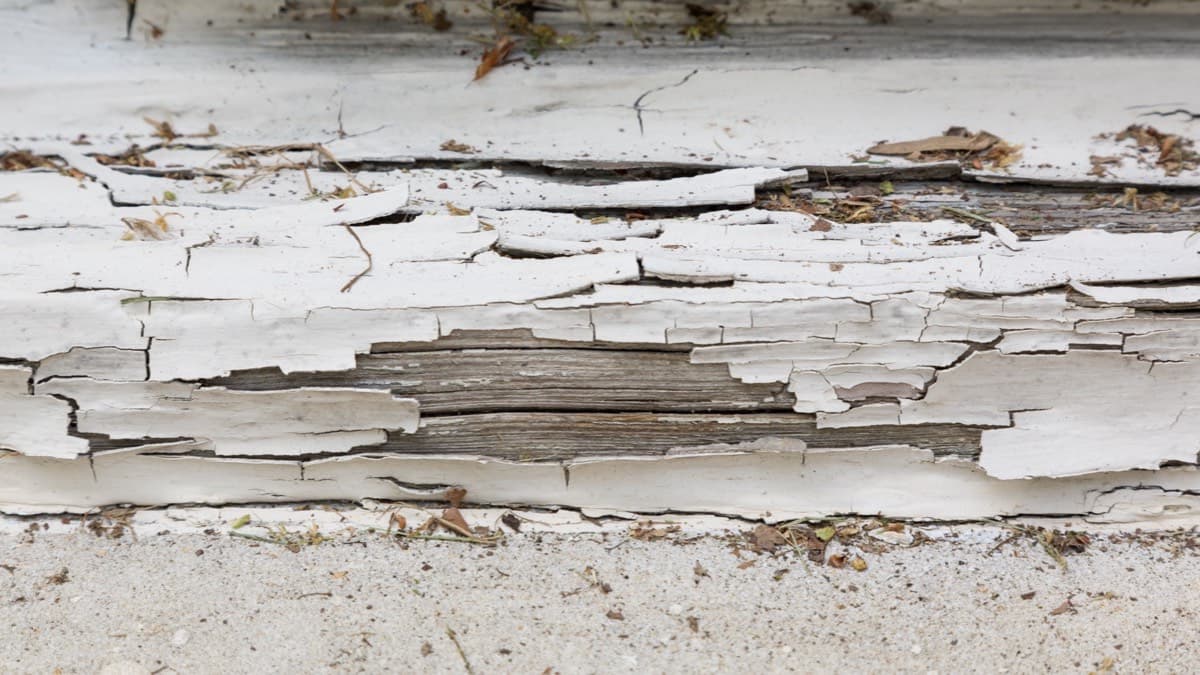
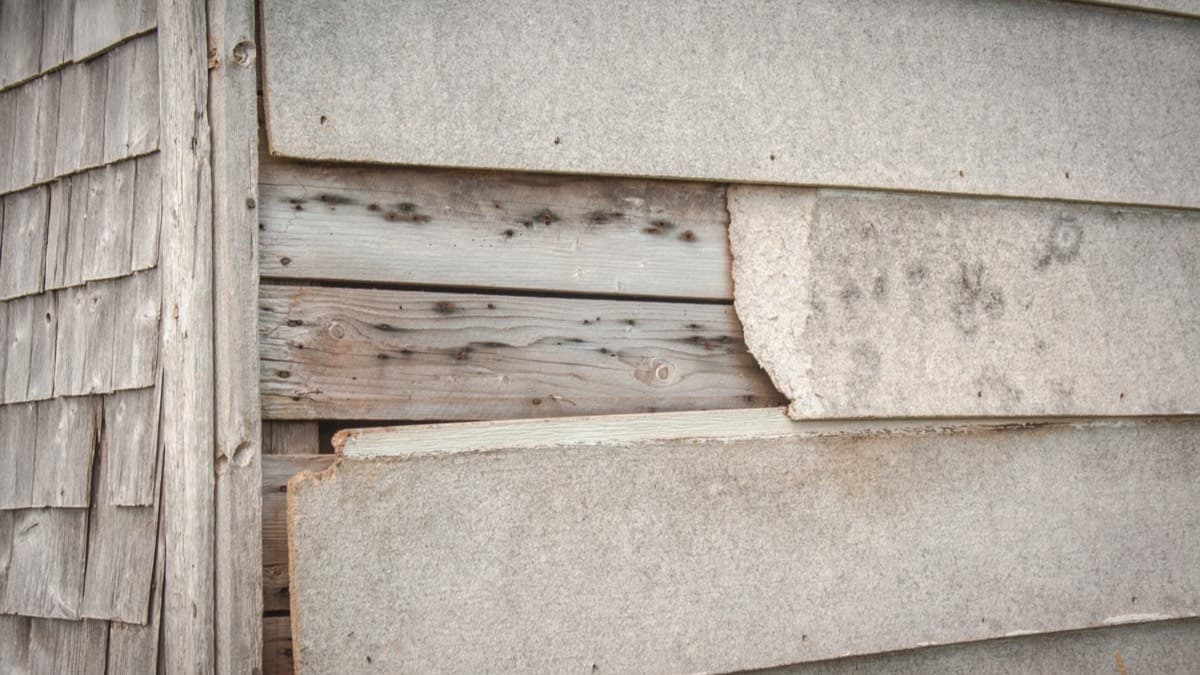
Early decay can be hard to see. It often shows as odd mottling, with unnatural brown or bleached patches, or a water-soaked look.
- Brown rot. The wood turns browner, cracks across the grain into small cubes, shrinks and collapses, and can be crushed into powder. It's common in softwoods such as pine.
- White rot. The wood loses color and looks whiter than normal. It doesn't crack across the grain, keeps its shape until it's badly decayed, and often feels spongy. It's more common in hardwoods.
- Soft rot. A shallow decay on the surface, soft when wet with firm wood just below. Heavily fissured, weathered wood has usually been broken down by it.
Dry, crumbly brown rot is sometimes called dry rot, but the name is wrong. Wood has to be damp to decay, even if it dries out later. A few fungi do carry water up from the soil through strands, which lets them rot wood that would otherwise stay dry.
Where it starts on a house
- Wood near the soil. Framing should sit at least 8 inches above the soil and siding at least 6 inches. Where hard rains are frequent, 12 to 18 inches of foundation above the ground is better.
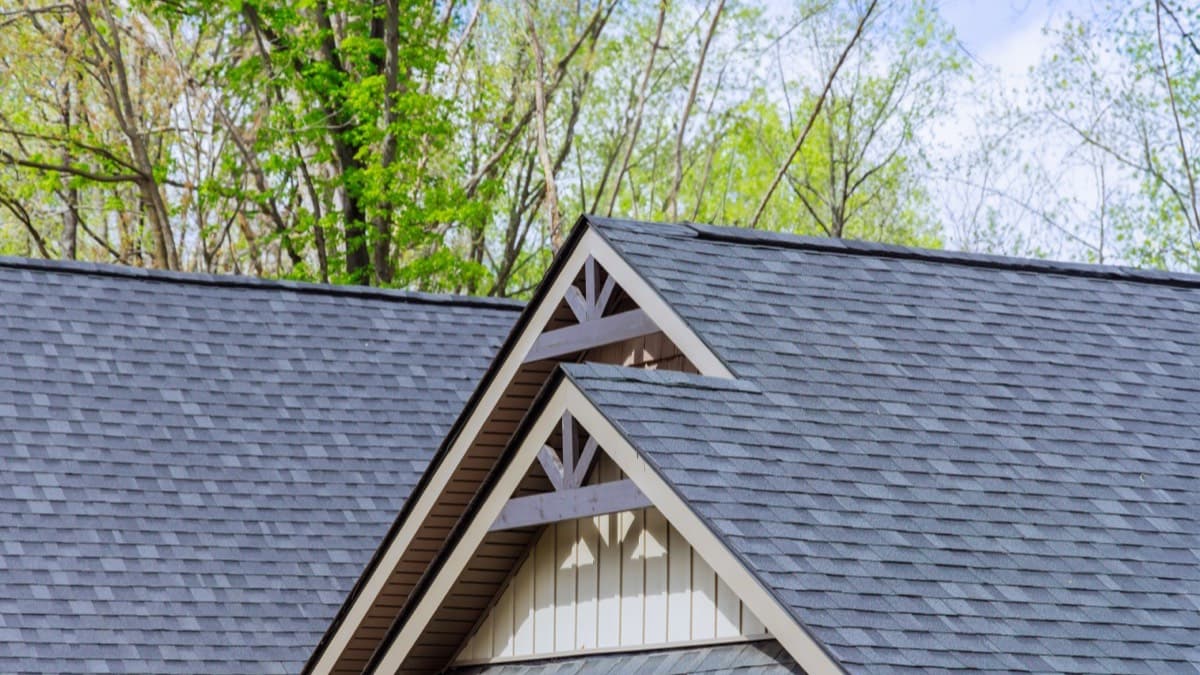
- Roof edges and where roofs meet walls. Rain and condensation that get into walls and roofs lead to decay. A wide roof overhang and gutters and downspouts kept clear of debris help.
- Plumbing leaks. A leak inside a wall or floor can cause serious decay, especially if it goes unnoticed for a long time.
- Porches, outside steps and decks. Wood that can't be kept dry should be pressure-treated or a naturally durable heartwood.
- Crawl spaces. Moisture from the soil condenses on the floor framing above. A plastic sheet over the soil cuts it down. Crawl space checks are for a contractor or inspector, not a job to crawl into yourself.
Fixing it
Any repair has to start by fixing the moisture that caused the rot. If the water is stopped for good, the weakened wood only needs to be replaced with dry lumber. If the wet conditions can't be fixed, the replacement should be pressure-treated wood or a decay-resistant heartwood.
An annotated example
What to do next
Walk around the house and look for wood that touches or sits close to the soil, and for dark, crumbly or spongy wood at the porch, steps, sills and trim. Have the gutters cleaned, and fix any plumbing leak promptly. Before any rotted wood is replaced, find and stop the water behind it. Why exterior paint peels, blisters and cracks covers the moisture that shows through paint first.
Keep the wood around the house dry
- Check that soil sits at least 6 inches below the siding
- Look for soft or crumbly wood at the porch, steps and sills
- Fix plumbing leaks that wet wood framing
FAQ
What causes wood rot?
Fungi that grow in wood that stays wet, wetter than about 30% moisture, from rain, condensation, leaks or wet ground.
Is dry rot really dry?
No. The name is wrong. Wood has to be damp to decay, though it may dry out later.
How do you stop wood rot from spreading?
Dry the wood out and keep it dry. Rot doesn't progress in wood kept at 20% moisture or less, so fixing the water source is the first step.
Sources
Checked October 20, 2026
- USDA Forest Service, Forest Products Laboratory. Wood handbook, chapter 14: biodeterioration of wood (FPL-GTR-190) (2010)
- Exterior
- Foundation
- Owner