Explainer
Why exterior paint peels, blisters and cracks
Tell mildew from dirt, chalking from peeling, and a solvent blister from a moisture blister, and fix the moisture before anyone repaints the wood trim and siding.
Satisfy+ Editorial · Updated August 15, 2026 · 4 min read
At a glance
- Peeling to bare wood
- Almost always moisture
- Dirt, mildew, chalking
- Clean it; repainting may wait
- Blisters
- Cut one open to find the cause
- Before any repaint
- Fix the moisture and let the wood dry
Paint on outside wood is a shield against moisture, and it doesn't last forever. It typically needs renewing every 5 to 8 years. Different parts of the same house fail in different ways. The siding may be fine while the eaves peel and the window sills crack. Naming each problem is the first step, because some need only a wash, some need limited scraping and some need the paint taken down to bare wood.
Problems that need cleaning, not stripping
- Dirt, soot and cobwebs. Grime clings to sheltered spots such as the eaves. It's only a problem if it's painted over, since it keeps new paint from sticking. A strong stream from a garden hose loosens most of it, and a brush with household detergent in water handles the rest. Often cleaning is enough to put off repainting.
- Mildew. A fungus that grows where it's damp and shady, such as sills, under the eaves, around gutters and downspouts, on the north side and near shrubs. To tell it from dirt, put a drop of household bleach on it. Mildew turns white, and dirt stays dirt. Letting in sun and fixing drainage keeps it from coming back.
- Chalking. A powdery surface as the paint slowly breaks down. In moderation it's normal and washes away dirt. In excess it streaks the surfaces below and wears the paint away.
- Stains. Rusting nail heads and metal anchors leave rust streaks. Cedar and redwood can bleed colored stains, mostly in the first 10 to 15 years. Find the moisture behind the stain and fix it.
Problems that need limited scraping
- Crazing. Fine, jagged cracks in the top layer, when thick old paint gets too brittle to move with the wood. Left alone, it lets water in and turns into deep cracking.
- Peeling between coats. The top coat lets go of the coat under it. It often happens under eaves and porch roofs, where rain never rinses off the salts and grime before repainting. It also happens when oil paint goes over latex, or latex over chalky oil paint.
- Solvent blisters. Small blisters from paint put on in direct sun, so the surface dried too fast and trapped the solvent. Dark colors do it more. Cut a blister open. Another layer of paint underneath points to solvent. Bare wood points to moisture.
- Wrinkling. The top layer dried before the one under it, from paint put on too thick, a second coat too soon or painting in heat.
Problems that mean the paint comes off
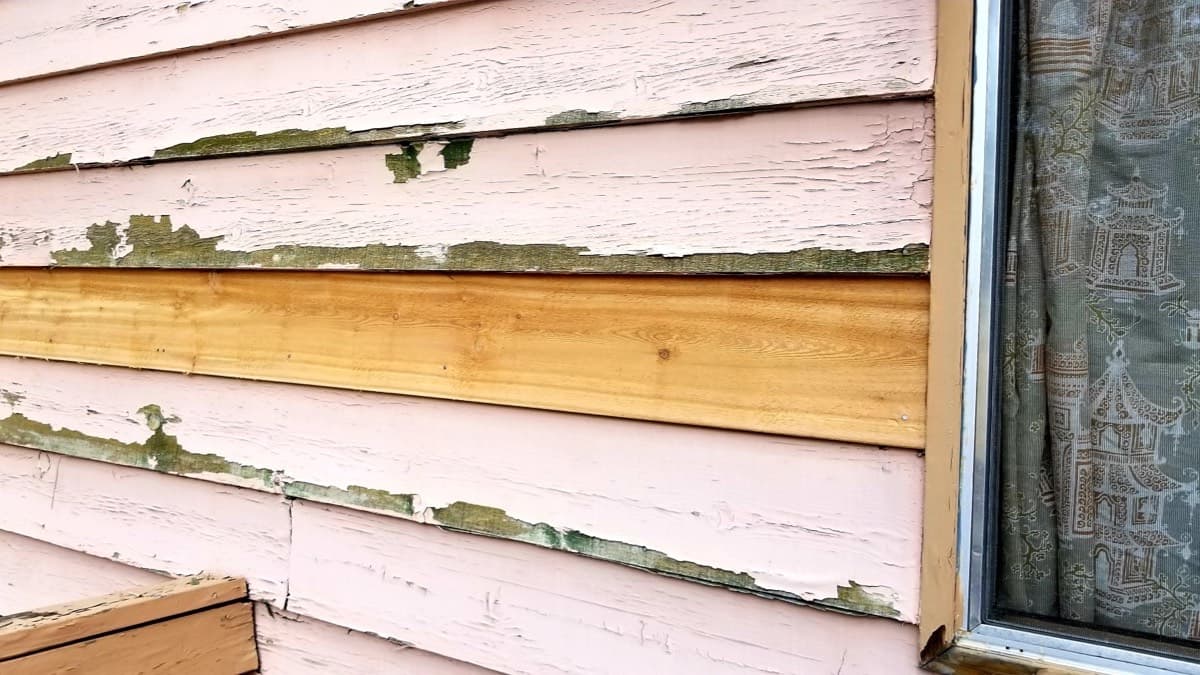
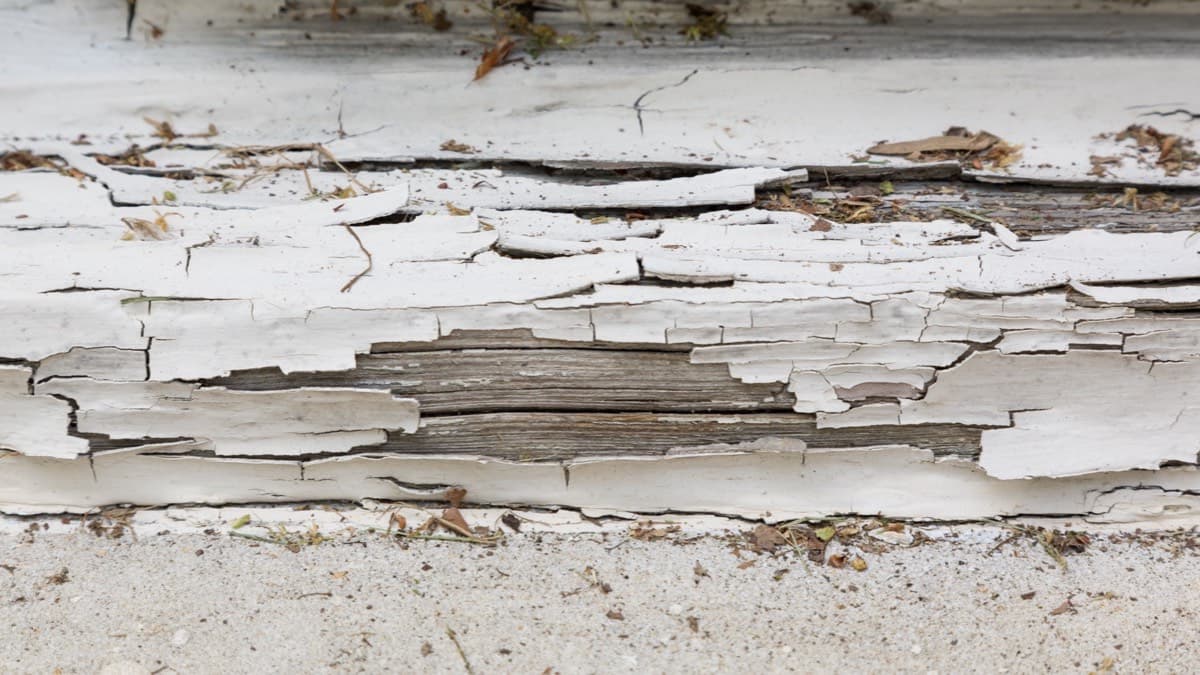
- Peeling to bare wood. Almost always moisture collecting behind the paint, from inside the house or out. It usually starts as blisters. New paint over it will simply fail.
- Cracking and alligatoring. The advanced stage of crazing, where cracks reach bare wood in a pattern like reptile skin, and the paint flakes.
Fix the moisture first
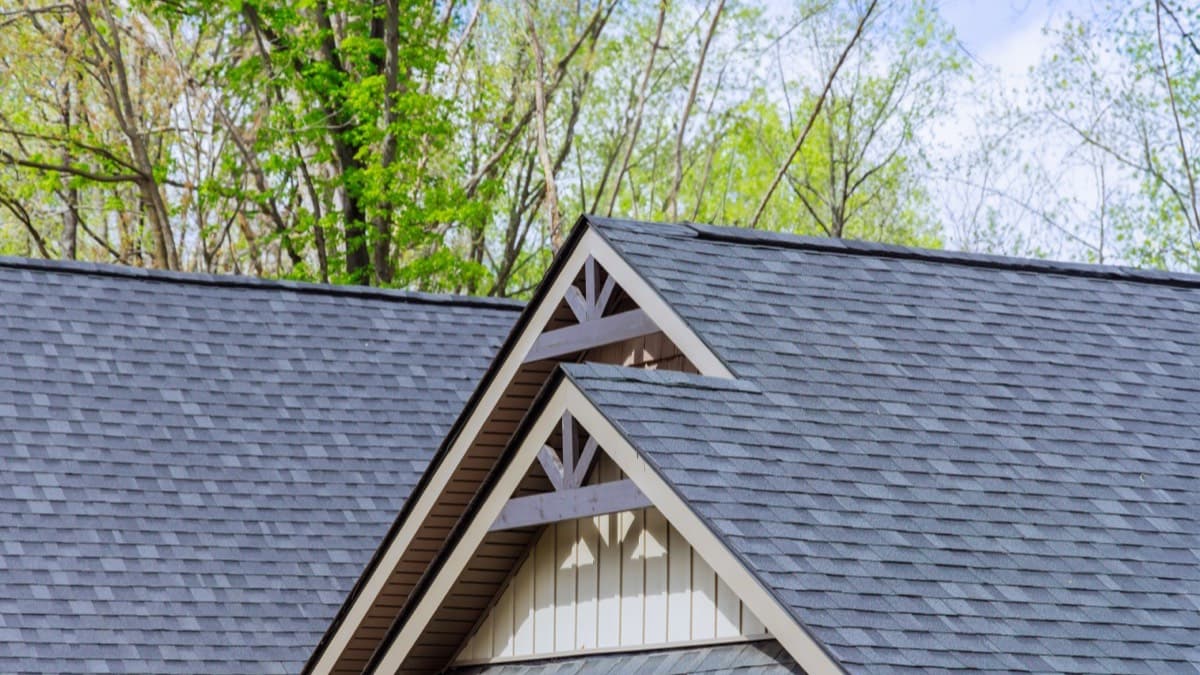
Before anyone repaints peeling wood, find and stop the water. The usual outside sources are faulty flashing, leaking gutters, damaged roof shingles, cracks and holes in the siding and trim, failed caulking in joints and seams, and shrubs growing against the wood. Inside, exhaust fans and vents carry moisture out. Then the wood has to dry out completely.
Paint thickness matters too. Once old paint builds up to about 1/16 inch, around 16 to 30 coats, one more coat can be enough to make it crack and peel. Fading alone isn't a reason to repaint.
Most houses built before 1950 have one or more layers of lead paint. Scraping, sanding or stripping it releases lead dust, so read Lead paint in homes built before 1978 before any work starts. Have work above the first floor done by a painter.
An annotated example
What to do next
Walk around the house and note where the paint is failing and how. Wash dirt, mildew and chalk off what you can reach from the ground. Where it peels to bare wood, the moisture source has to be fixed first. Check the caulking from the ground, have a professional fix the gutters and flashing, then have the wood repainted. How long paint and stain last on wood siding covers the repaint itself.
Sort out the peeling paint
- Walk the house and note where the paint is failing
- Wash dirt and chalk off the low siding with a hose and brush
- Have the gutters and flashing behind any peeling fixed
FAQ
Why is my exterior paint peeling?
Peeling to bare wood is almost always moisture collecting behind the paint. Have the leak, the gutter or the failed caulking fixed, and let the wood dry before repainting.
How do I tell mildew from dirt on siding?
Put a drop of household bleach on it. Mildew turns white, and dirt stays the same.
What causes paint to blister?
Cut a blister open. Bare wood underneath points to moisture. Another paint layer underneath points to solvent blistering, from painting in direct sun.
Sources
Checked October 20, 2026
- National Park Service, Technical Preservation Services. Preservation Brief 10: exterior paint problems on historic woodwork (1982)
- Exterior
- Owner
- Older home