How-to
Reusing and recycling materials from a renovation
Before the demolition starts, sort out what can be salvaged, reused on the job or recycled, so less of the old kitchen or bath goes to the landfill.
Satisfy+ Editorial · Published June 9, 2026 · 3 min read · 1.5 hr to do · Free
At a glance
- Salvage first
- Doors, fixtures, cabinets, flooring, hardware
- Reuse on the job
- Wood cutoffs, scrap wood, brick and concrete
- Recycle
- Metals, wood, concrete, asphalt, brick and block
- Check first
- Paint and old materials that may hold lead or asbestos
The United States generated about 600 million tons of construction and demolition debris in 2018, more than twice the amount of household trash. Much of what comes out of a remodel is still worth something. Doors, cabinets, sinks and old flooring can go to a reuse center, and metals, wood and concrete can be recycled where markets exist. Make the plan before the demolition starts.
What you need
- A walk-through of the rooms being remodeled, with a notepad or phone
- The name of a reuse center or materials exchange near you
- The name of a construction and demolition recycler
- Space in the garage or driveway to hold salvaged items
- An agreement with the contractor on what gets set aside
Steps
- 1
Walk the rooms before anything comes out
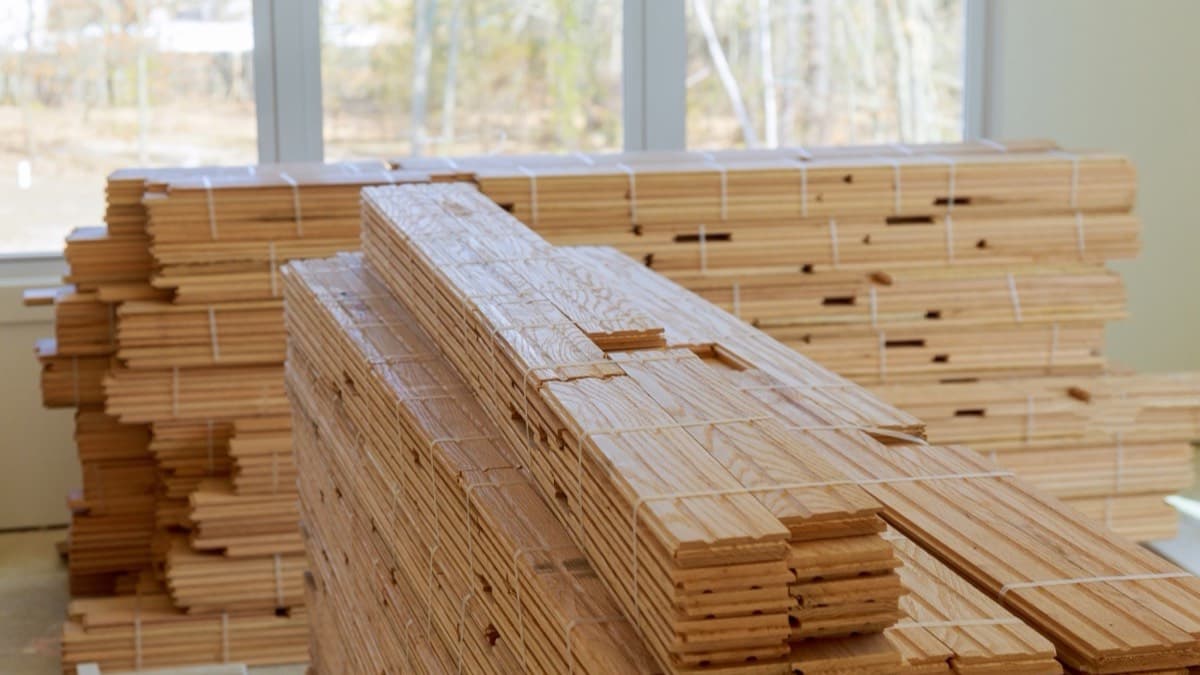
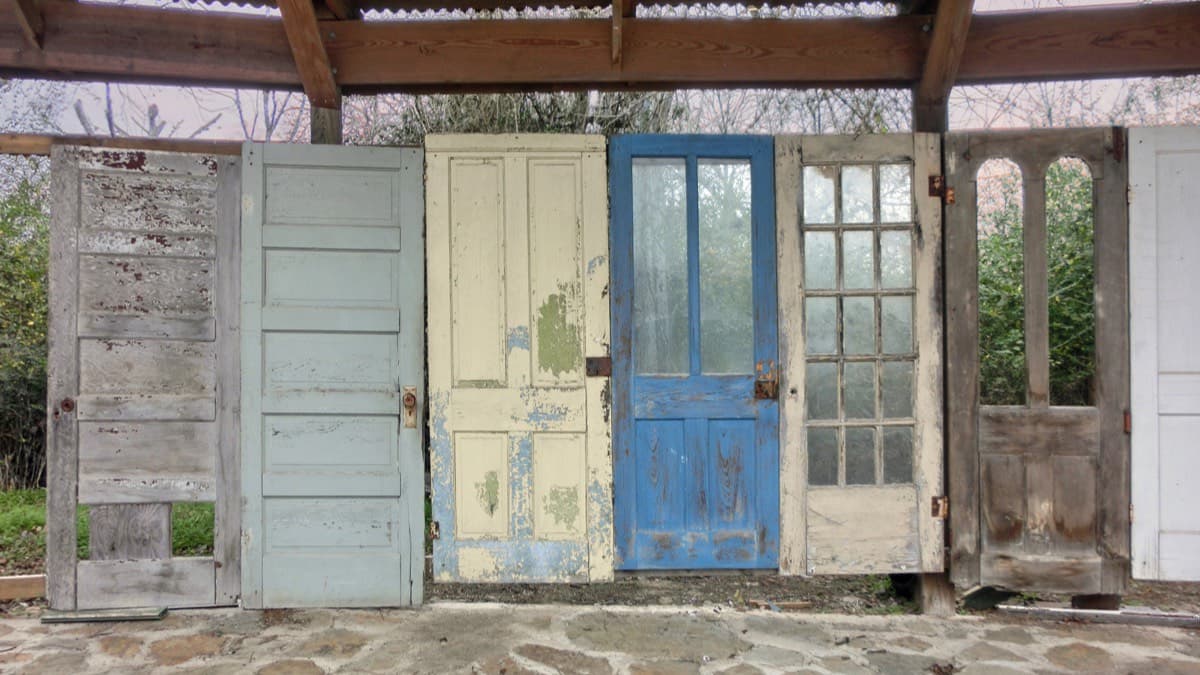
List what could be used again. Easy-to-remove items such as doors, hardware, appliances, light fixtures and plumbing fixtures can be salvaged to donate or to use on this job or another. Hardwood flooring, multi-paned windows, architectural moldings and unique doors have high resale value.
20 min
- 2
Check what may not be safe to reuse
A small share of old building materials holds lead, asbestos or PCBs, which are harmful if handled wrongly. Paint in a house built before 1978 may contain lead, and some older flooring, insulation and siding may contain asbestos. Set those aside until you know what they are.
10 min
- 3
Find where the salvage can go
Reuse centers take the largest volumes, including doors, windows, cabinets, plumbing fixtures, lumber, millwork, metals, flooring, hardware, bricks and fencing. Reuse stores take smaller amounts of higher-value pieces, such as antique fixtures. Materials exchanges connect people with materials to give away or sell with people who want them.
20 min
- 4
Find a recycler for the rest
Wood, metals, concrete, asphalt, brick and block are highly recoverable in many places. Ask the recycler how it handles what it takes in, so the materials end up where they're meant to go.
15 min
- 5
Agree with the contractor before demolition
Settle which items are removed carefully for salvage, where they're stored, and which materials are kept out of the dumpster for recycling. Careful removal takes longer than tearing out, so it belongs in the schedule.
15 min
- 6
Reuse what you can on the job
Wood cutoffs can become blocking and other short framing pieces. Scrap wood can be chipped and used as mulch. Brick, concrete and masonry can be crushed for fill or a driveway base. Leftover paint can be used in the garage or as a primer coat. Packaging can go back to the supplier.
10 min
- 7
Keep a list of what went where
Note each item salvaged, donated or recycled, with the place it went, in the project's records.
5 min
Plan what leaves the job for reuse or recycling
- List the doors, fixtures and cabinets that can be salvaged
- Find a reuse center and a recycler
- Set the salvage list with the contractor
Where the materials end up
Recovering materials keeps them out of the landfill and saves the energy and resources that making new ones would use. Wood can become engineered-wood products, mulch or compost. Asphalt, concrete and rubble are recycled into aggregate and new asphalt and concrete. Steel, copper and brass are valuable to recycle. Cardboard from deliveries often ends up in the mixed debris, and there are markets for it too.
Buying salvaged materials
Reuse centers and stores sell what others have salvaged, and recycled-content building products are widely made. Buying them can lower a project's cost while keeping a house's character, such as old doors or trim that match the rest of the house. For an older house, lead paint in homes built before 1978 covers the paint. Asbestos in an older home covers the other materials to check before anything is cut or broken.
FAQ
What can I salvage from a remodel?
Doors, hardware, appliances and fixtures come out easily, and hardwood flooring, multi-paned windows, moldings and unique doors have high resale value.
Where do salvaged building materials go?
Reuse centers, reuse stores and materials exchanges take them. A construction and demolition recycler takes wood, metals, concrete, asphalt and brick.
Can old painted wood be reused?
Paint in a house built before 1978 may contain lead. Find out what it is before you sand, cut or reuse it.
Sources
Checked October 20, 2026
- U.S. Environmental Protection Agency. Sustainable management of construction and demolition materials (2026)
- U.S. Environmental Protection Agency. Best practices for reducing, reusing and recycling construction and demolition materials (2026)
- U.S. Environmental Protection Agency. Reuse and recycling opportunities and demolition (2026)
- Free
- Either
- Renovating