Explainer
Lead paint in homes built before 1978
Learn where the lead hazard is in a house built before 1978, how to keep the dust down and who to hire before work that disturbs paint.
Satisfy+ Editorial · Published August 20, 2026 · 3 min read
At a glance
- The year
- Homes built before 1978 are more likely to have lead paint
- The hazard
- Dust and chips from worn or disturbed paint
- Most at risk
- Young children
- Before work
- A certified inspector and a lead-safe certified contractor
In 1978 the federal government banned the sale of lead-based paint for homes and childcare facilities, so the age of the house is the first clue. About three-quarters of the homes in the United States built before then still contain some lead-based paint. One of the most common sources of lead exposure in a home is the dust and chips that paint leaves behind.
Where the hazard is
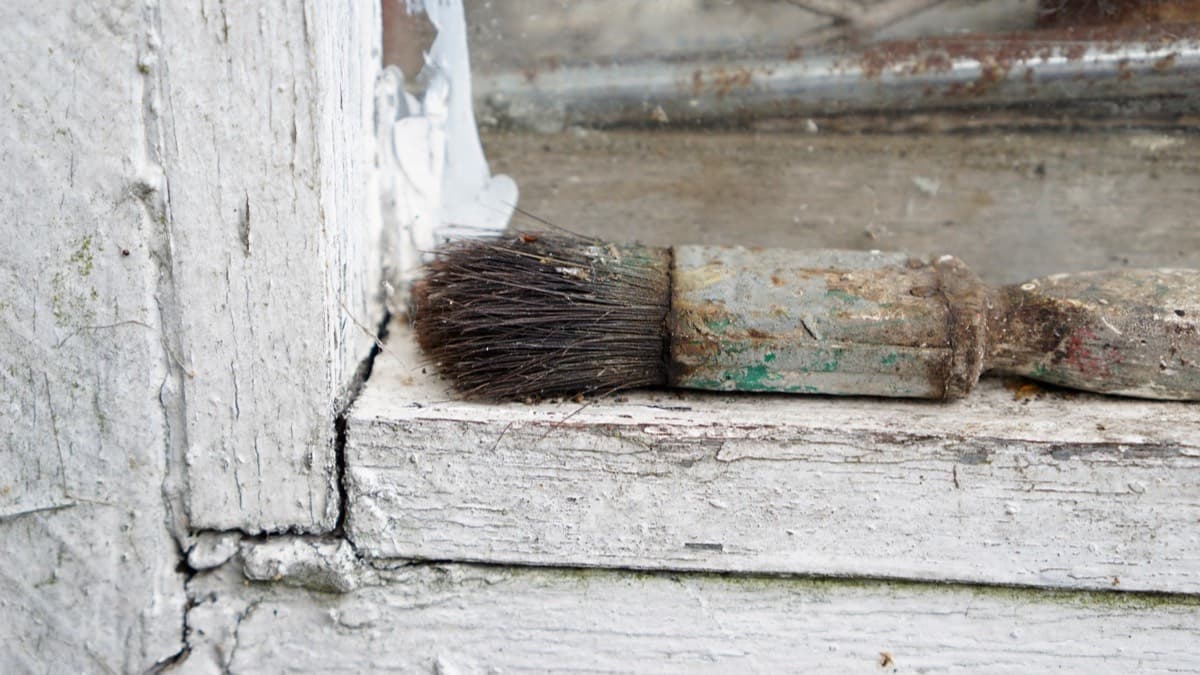
Lead paint in good shape is usually not a problem. The hazard comes when it deteriorates, peels, chips or cracks. Surfaces that rub, such as doors and window sills, wear the paint into chips and dust. That dust settles on surfaces people touch, and vacuuming, sweeping or walking through the house can put it back in the air.
Young children are most at risk, because they crawl, play on floors and put their fingers and toys in their mouths. Children can live safely in a home with lead paint as long as the paint and surfaces are in good condition and kept clean.
Renovation is when it spreads
Renovation or repair that disturbs painted surfaces in an older home can create large amounts of lead dust, and even a small amount is a health risk. Before a project in a pre-1978 home:
- Find out if the paint has lead. Hire a certified lead-based paint inspector or risk assessor, or assume it does.
- Hire a lead-safe certified contractor. The federal Lead-Based Paint Professional Locator lists them.
- Leave abatement to certified professionals. Lead abatement isn't a job to do yourself.
Keeping the dust down
If you know or suspect the house has lead paint:
- Clean weekly. Wipe hard surfaces, such as countertops, window sills and door jambs, with a damp sponge, cloth or paper towel. Skip steel wool, scouring pads and abrasive cleaners.
- Wet-mop the floors. Don't use a scrubber strip, a power buffer or a vacuum with a beater bar, which can wear away paint.
- Vacuum with a HEPA filter where there's visible chipping. Don't dry sweep, and don't shake or beat rugs.
- Check the painted surfaces that rub. Windows, doors and stairways show wear first. Clean up any chips right away with a damp paper towel, then wipe the area with a clean wet one.
An annotated example
What to do next
Look up the year your house was built on the deed or the county assessor's site. If it's before 1978, add a weekly wet wipe of the sills and door jambs, and walk the windows, doors and stairs for chipping paint. Before any project that disturbs paint, find a certified inspector through the federal locator.
Keep lead paint from becoming lead dust
- Find out what year the house was built
- Wipe the window sills and door jambs with a damp cloth
- Check the windows, doors and stairs for chipping paint
- Find a certified lead inspector before renovating
FAQ
Is lead paint dangerous if it's not peeling?
Lead paint in good shape is usually not a problem. The hazard is the dust and chips from paint that deteriorates or is disturbed.
Is lead abatement a job to do yourself?
No. Leave it to certified professionals.
Sources
Checked October 19, 2026
- U.S. Environmental Protection Agency. Protect your family from sources of lead (2026)
- Owner
- Older home
- Lead
- Tenant
- Renovating