How-to
Caring for glass and ceramics
Dust glass, china and pottery dry on a padded surface, keep heirloom pieces out of the sink, and never use tape on a glazed piece.
Satisfy+ Editorial · Published June 18, 2026 · 3 min read · 40 min to do
At a glance
- Dust
- Dry, with a soft brush and a vacuum or a lint-free cloth
- Damp wipe
- Only sound glass, porcelain and stoneware
- No soaking
- Wet cleaning can do lasting damage
- No tape
- It lifts glaze and gilding
Dust is abrasive. It scratches glass and glazed ceramics, and left in place it slowly degrades even their hard surfaces, more so in humid air. Handling carries its own risk, though. A loose glaze can chip, an old repair can give way and a piece can be dropped. Keeping heirloom glass and china in a closed cabinet means dusting it less often.
What you need
- A padded work surface, such as a thick towel or foam over a table
- A soft artist's brush and a vacuum with adjustable suction
- A lint-free dust cloth
- Clean, dry hands, or vinyl gloves for glazed pieces and white cotton gloves for unglazed ones
Steps
- 1
Pad the table
Cover the table with padding and carry each piece to it in a padded box. Lay a tall, top-heavy figure on its side, and stand a squat vase on its base.
5 min
- 2
Check the piece first
Set aside anything with sharp broken edges or a flaking surface, and anything with old residue that might tell you how it was used. Those are for a conservator.
5 min
- 3
Vacuum a textured piece
Hold the vacuum nozzle about an inch from the surface, with the suction turned down, and sweep the dust toward it with a soft brush. Start at the top and work down.
15 min
- 4
Wipe a smooth piece
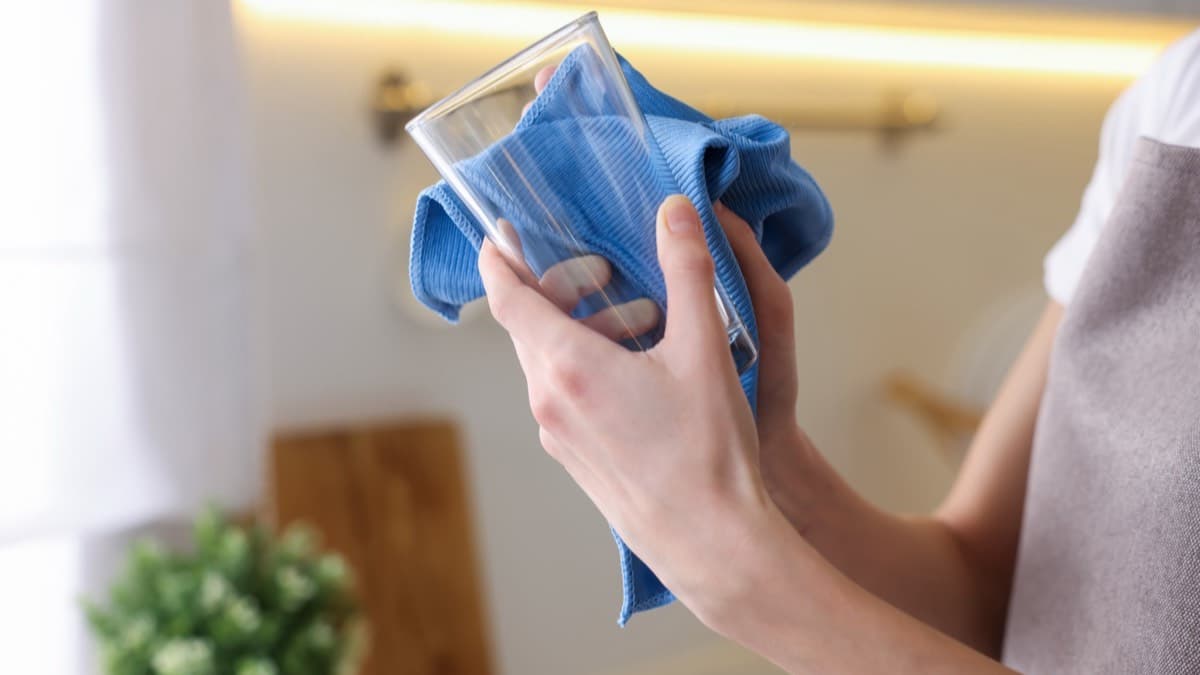
Wipe a smooth, plain piece with a lint-free cloth, turning it often so a clean side touches the surface.
10 min
- 5
Damp-wipe only if you need to
Some dirt stays after dusting. On sound glass, porcelain or stoneware with no cracked glaze and no decoration painted over the glaze, wipe it gently with a damp cotton cloth. Dampen it in 10 parts denatured alcohol, 8 parts distilled water and 1 part household ammonia without detergent. Ammonia can react with an unstable glaze or glass, so ask a conservator if you're unsure.
5 min
Look after the glass and china
- Clean the dust off the display shelf of glass and china
- Store the heirloom plates without stacking them
What to leave alone
- The sink. Soaking or washing heirloom glass and ceramics can cause lasting damage. Poorly fired earthenware can be ruined for good.
- Cloudy glass. The cloudiness comes from the glass itself, not a deposit, so scrubbing won't clear it and repeated scrubbing damages the surface.
- Tape. Never tape broken pieces together. Tape can lift the glaze off earthenware and readily pulls off gold decoration.
- Stacking. The rough, unglazed foot of one dish can wear away the painted decoration on the one below it.
- Bleach and lye. Old housekeeping tips suggest them for stains, but they irreparably harm earthenware and leave salts behind.
Earthenware and its glaze
Earthenware and terracotta are fired at lower temperatures than porcelain. They stay porous to water, and their glaze doesn't fully fuse to the clay, so it can chip away. Fine cracks in the glaze, called crazing, may be decorative but are a weak point. Liquids can seep through them, stain the clay under the glaze and loosen it. Gold decoration on earthenware is very fragile, so touch it as little as you can.
An old repair held with metal rivets or staples can stay if the join lines up well and the rivets aren't rusted. A conservator can tell you whether one needs attention.
FAQ
Can I put antique china in the dishwasher or sink?
Soaking or washing heirloom glass and ceramics can do lasting damage. Dust them dry, and damp-wipe only sound glass, porcelain and stoneware.
How do I clean cloudy antique glass?
Scrubbing won't help, because the cloudiness is in the glass itself. Repeated scrubbing damages the surface.
Should I glue or tape a broken heirloom dish?
Never tape it, since tape can lift the glaze and gilding. A conservator can advise on a repair.
Sources
Checked October 20, 2026
- National Park Service. Conserve O Gram 8/1: removing dust from ceramic and glass objects (1993)
- National Park Service. Conserve O Gram 8/3: preservation of low-fired ceramic objects (2002)
- Owner
- Beginner
- Tenant
- DIY