How-to
Storing maps, posters and other large papers
Keep oversized papers flat in a large folder or drawer, or roll up to five sheets at a time onto a wide archival tube, wrapped in tissue and polyester film.
Satisfy+ Editorial · Updated July 24, 2026 · 2 min read · 20 min to do · Under $100
At a glance
- Best
- Flat and unfolded
- Or
- Rolled on a tube 2 inches longer than the widest sheet
- Per tube
- Up to 5 sheets, rolled together
- Wrap
- Acid-free tissue, then polyester film
Maps, posters, house plans, diplomas and other oversized papers are easy to damage. Folded to fit a box, they crease along the folds. Left hanging out of a folder, their edges crumple. The safest storage keeps them flat and unfolded, in a large folder, box or flat drawer. Large sheets that are still flexible can be rolled instead. Like all paper, they last longest somewhere cool and fairly dry, out of the light and away from attics, basements, radiators and vents.
What you need
- A clean table larger than the biggest sheet
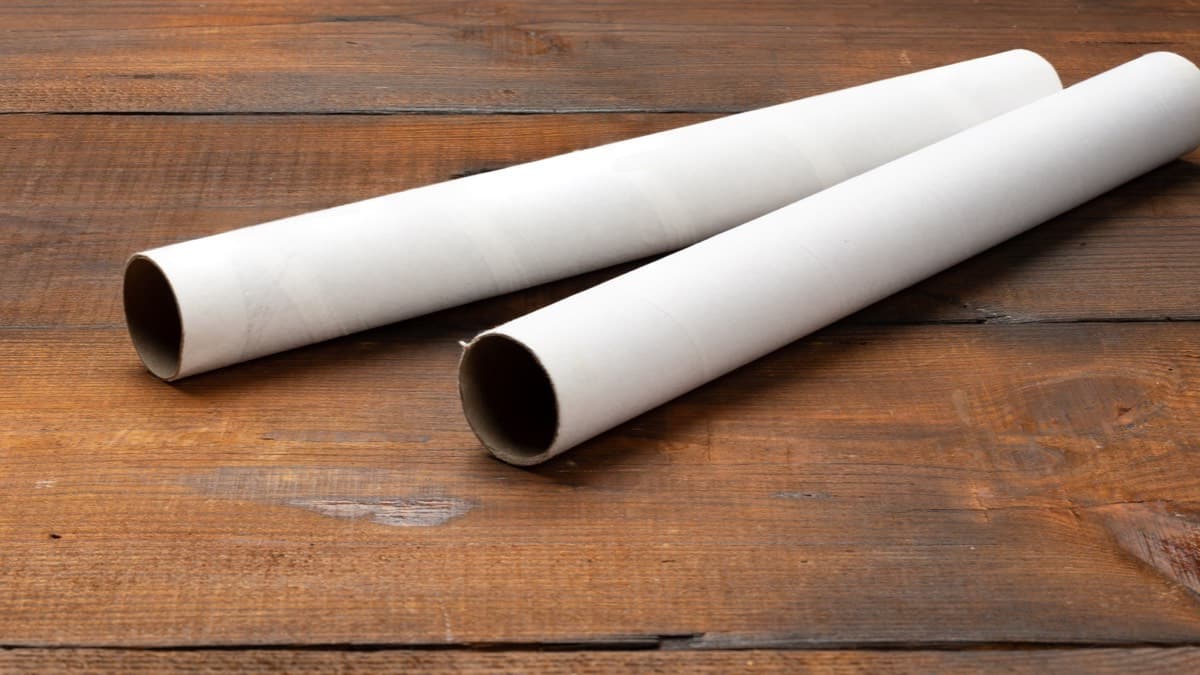
- An archival paper tube, buffered and low in lignin, at least 2 inches longer than the widest sheet
- Acid-free tissue or bond paper
- Clear polyester film
- Cotton twill tape or flat ribbon
Steps
- 1
Decide flat or rolled
Keep a sheet flat if you have a folder or drawer big enough to hold it without folding or bending. Roll it only if it's still flexible. A brittle sheet that won't unroll without tearing is one for a paper conservator.
2 min
- 2
Wash your hands and clear the table
Keep food and drinks away from the papers.
3 min
- 3
Line up the sheets on the tube
Lay up to five sheets on top of each other and set the tube across one end. Make sure the tube is longer than the sheets, with extra room in case they don't roll straight.
3 min
- 4
Roll them together
Slowly roll the tube so the sheets wrap around it, keeping the tube at right angles to their long edges. Roll all the sheets at once, not one after another.
5 min
- 5
Wrap them in tissue
Wrap the roll in acid-free tissue or bond paper to keep light off it.
2 min
- 6
Cover it in polyester film
A layer of polyester film over the paper wrapper keeps water off.
2 min
- 7
Tie it loosely
Tie the roll loosely with cotton twill tape or flat ribbon to hold the film in place.
2 min
- 8
Store it where it won't be crushed
Lay the roll on a shelf somewhere cool and dry, off the floor, away from leaks.
1 min
Store the large family papers safely
- Move folded large papers into folders they fit flat in
- Store the flexible large papers rolled on a tube
For flat storage
- Use a folder or box big enough for the sheet to lie flat without folding or bending, with nothing hanging out of the edges.
- Use folders and boxes that are lignin-free and acid-free or buffered.
- Store very acidic papers, such as old newsprint, separately so their acid doesn't move into other papers.
- Don't overstuff a folder or a box.
FAQ
What's the best way to store an old map or poster?
Flat and unfolded, in an acid-free folder or box big enough to hold it. If it's still flexible, it can be rolled on an archival tube instead.
How many posters can I roll on one tube?
Up to five sheets, rolled onto the tube together at the same time.
Should I fold a large document to fit in a box?
No. Folding creases the paper. Use a bigger folder or box, or roll it.
Sources
Checked October 20, 2026
- National Archives and Records Administration. Storing family papers and photographs (2025)
- Library of Congress. Care, handling and storage of works on paper (2026)
- Owner
- Tenant
- DIY