Checklist
Emergency supplies for babies and young children
Add formula, bottles, diapers, wipes and things to keep children busy to the household emergency kit, and keep ready-to-feed formula on hand in case the tap water isn't safe.
Satisfy+ Editorial · Published June 12, 2026 · 2 min read
At a glance
- Feeding
- Ready-to-feed formula, bottles and nipples
- Changing
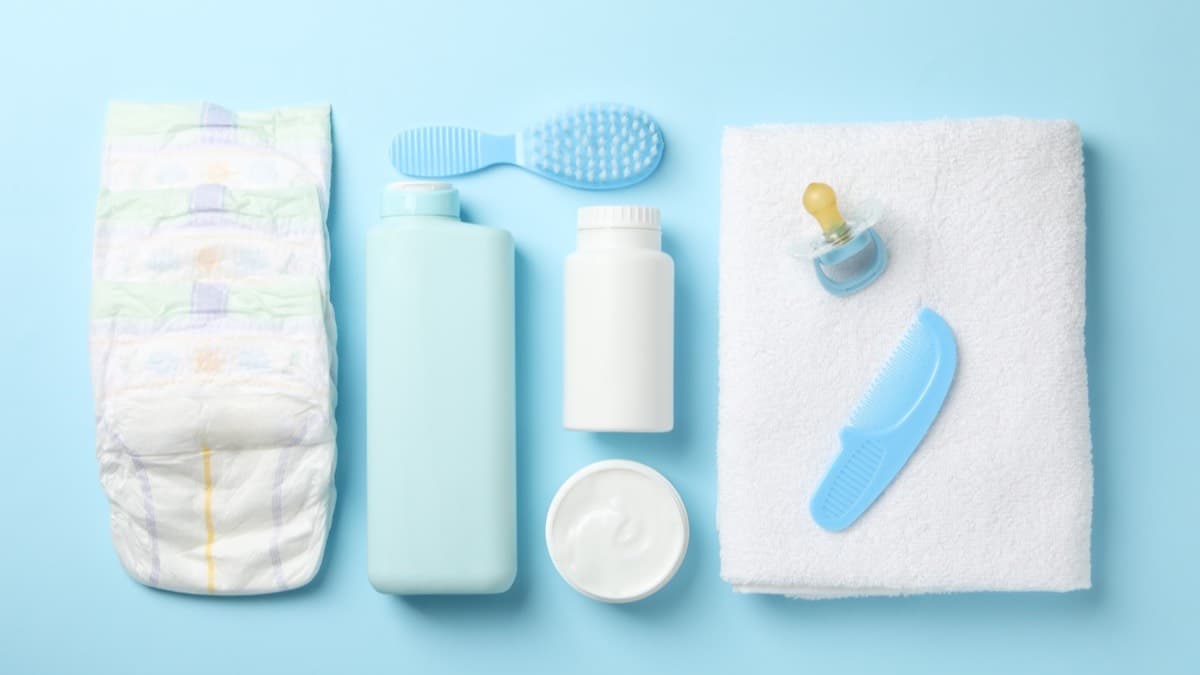
- Diapers, wipes and diaper rash cream
- For the kids
- Books, games and puzzles
- Water
- 1 gallon per person per day, for several days
After an emergency, a household may have to get by on its own supplies for several days. The basic kit covers water, food, light and a radio, but babies and young children need their own supplies on top of it. A storm or flood can also leave tap water unsafe and the power out, which changes how formula has to be made.
For babies
- Infant formulaReady-to-feed formula is the type to use in an emergency.
- Bottles and nipplesThey need to be clean and sanitized.
- Diapers and wipes
- Diaper rash cream
- Bottled water for mixing formulaIf only concentrated or powdered formula is available, mix it with bottled water or water that has been sterilized.
For young children
- Books, games, puzzles or other activities
- Any medicines the children takePack them with the household's other medications.
- An extra pair of eyeglasses, if a child wears them
Stock the kit for the little ones
- Put formula, bottles, diapers and wipes in the emergency kit
- Add books, games or puzzles for the children to the kit
- Check the formula's use-by date and replace expired items
Mixing formula when the water may not be safe
- Use bottled water that hasn't touched floodwaterWithout bottled water, boil water for 1 minute and let it cool. A doctor or public health officials can say whether water needs boiling.
- Ask the pediatrician about extra precautions for a young babyThis applies to a baby younger than 3 months, born prematurely or with a weakened immune system.
- Follow the label for the water and scoopsUse the scoop that came with the formula, and measure the water first, then add the powder.
- Use mixed formula within 24 hoursRefrigerate it right away if it isn't fed immediately. Throw out whatever's left in the bottle after a feeding.
- Never make homemade formula
- Skip warming if you can't do it safelyWarm formula isn't necessary. To warm a bottle, hold it under running warm water without letting water into the bottle or onto the nipple, and test a few drops on the back of your hand. Never heat formula in a microwave, which can leave hot spots that burn a baby.
- Don't freeze formulaFreezing can make it separate.
Keeping the kit ready
- Check the formula's use-by dateDon't feed formula past that date.
- Replace expired items as needed
- Rethink the kit every yearUpdate it as the children grow and the family's needs change.
FAQ
What baby supplies go in an emergency kit?
Infant formula, bottles, diapers, wipes and diaper rash cream, plus books, games or puzzles for older children.
What formula is best in an emergency?
Ready-to-feed formula. If only powdered or concentrated formula is available, mix it with bottled or sterilized water.
How long does mixed formula last?
Refrigerate it right away and use it within 24 hours. Throw out any left in the bottle after a feeding.
Sources
Checked October 20, 2026
- Ready.gov, U.S. Department of Homeland Security. Build a kit (2026)
- Ready.gov, U.S. Department of Homeland Security. Build a kit (Ready Kids) (2026)
- U.S. Food and Drug Administration. Hurricane season, be prepared (2026)
- U.S. Food and Drug Administration. Infant formula safety do's and don'ts (2026)
- Living
- Owner
- Tenant