How-to
Sheltering in place during a chemical release
If you're told to stay inside during a chemical release, bring everyone in, shut off the air systems and seal an inside room with plastic and duct tape.
Satisfy+ Editorial · Published August 24, 2026 · 3 min read · 30 min to do · Under $100

At a glance
- Listen
- Local radio or TV for instructions
- Room
- Inside, above ground, with few windows
- Seal
- Plastic sheeting and duct tape over doors, windows and vents
- Air
- Heating, cooling and fans off
A chemical release can come from a plant, a storage site, a truck or train, or something being used or thrown away. Officials may tell people nearby to evacuate, or to stay inside and shelter in place. Sometimes staying inside is safer. Some toxic chemicals have no smell. Signs of a release include trouble breathing, eye irritation, loss of coordination, nausea, and burning in the nose, throat and lungs. Many dead insects or birds can also be a sign.
Sealing a room is a temporary barrier between you and the air outside, and it takes a little planning ahead.
What you need
- Thick plastic sheeting, cut ahead of time
- Duct tape
- Scissors
- Towels you can wet, for gaps under doors
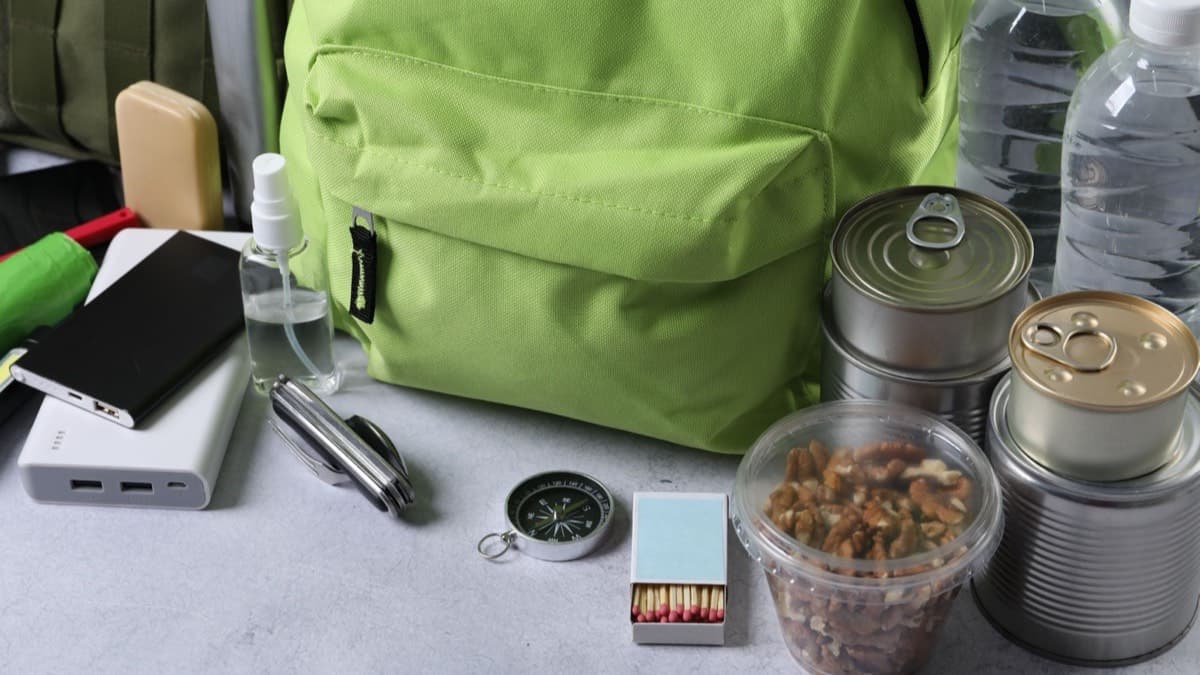
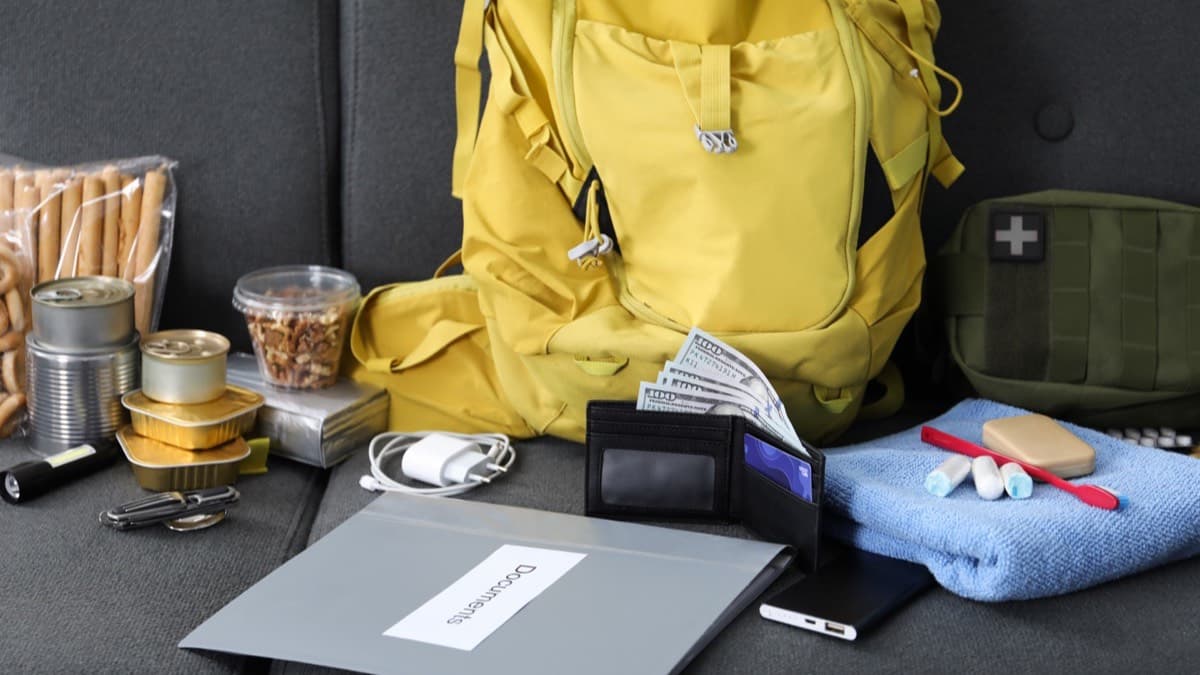
- The emergency supply kit
- A battery radio
Steps
- 1
Listen for instructions
Turn on local radio or TV and follow what officials say. Instructions depend on the threat. If you're told to evacuate, leave right away.
1 min
- 2
Bring everyone inside
Bring family and pets in. Close and lock every outside door and window.
5 min
- 3
Shut off the air
Turn off fans, air conditioning and forced-air heating, or set the ventilation to 100% recirculation so no outside air comes in. Close the air vents and fireplace dampers.
3 min
- 4
Go into an inside room
Pick a room above ground with as few windows and openings as possible. Take the emergency kit unless you have reason to think it's contaminated. Close as many inside doors as you can on the way.
3 min
- 5
Seal the room
Tape the plastic over the windows, doors and air vents, corners first and then all the edges. Seal gaps around doorways, window air conditioners, exhaust fans, and stove and dryer vents with wet towels, plastic, duct tape, wax paper or aluminum foil.
15 min
- 6
Wait for the all-clear
Don't go outside, even to help someone, until officials say it's safe. If gas or vapor may have gotten in, take shallow breaths through a cloth or towel. Don't eat or drink anything that may be contaminated.
1 min
Get ready to shelter in place
- Choose an inside room to shelter in
- Cut and label plastic sheeting for that room's openings
- Put duct tape, scissors and plastic sheeting in the kit
- Find out how to turn off the heating and cooling system
Getting ready ahead of time
Cut the plastic sheeting a few inches wider than each opening of the room you plan to use, and label each sheet with the window, door or vent it fits. Keep the sheets, duct tape and scissors with the emergency kit. Learn how to turn off or recirculate the home's heating and cooling system. Many communities have a Local Emergency Planning Committee that keeps information on the chemicals stored and used in the area, and the public can ask for it through the local emergency management office.
If you're outside or in a car
Move away right away, upwind of the source, and get into the nearest building to shelter in place. In a car, keep the windows and vents closed and turn off the air conditioner and heater.
If you were exposed
If you were exposed to a chemical and medical help isn't immediately available, take off all your clothing and anything touching your body, cutting off anything that would pull over your head. Seal it all in a plastic bag. Flush your eyes with water, wash your hands, then gently wash your face and hair with soap and water and rinse well. Get to a medical facility as soon as it's safe.
FAQ
What does it mean to shelter in place?
Staying inside, with doors, windows and vents shut and the heating and cooling off, in an inside room sealed with plastic sheeting and duct tape.
What room is best for sheltering in place?
An inside room above ground with as few windows and openings as possible.
How long do I shelter in place during a chemical release?
Until local officials say it's safe to go outside.
Sources
Checked October 20, 2026
- Ready.gov, U.S. Department of Homeland Security. Chemicals and hazardous materials incidents (2023)
- Ready.gov, U.S. Department of Homeland Security. Shelter (2026)
- Owner
- Under $100
- Beginner
- Tenant
- DIY