How-to
The septic system after a flood
Hold off on using or pumping the septic system until the drainfield drains, keep machinery off the wet ground, and have the tank inspected and pumped once the soil dries.
Satisfy+ Editorial · Published May 28, 2026 · 3 min read · 1 hr to do · $100 to $1,000
At a glance
- While the drainfield is flooded
- Use as little water as you can
- Pumping
- Not until the ground has dried
- The drainfield
- No cars or heavy equipment on it while it's wet
- Well water
- Not for drinking until it's tested
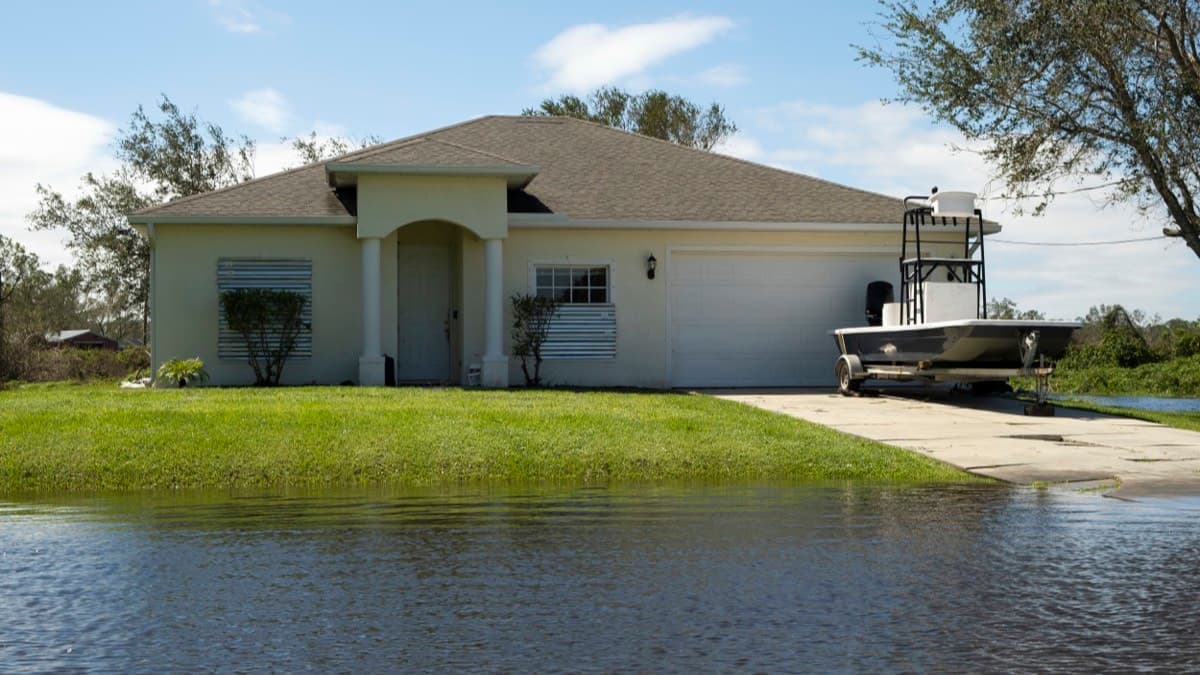
Most septic tanks come through a flood undamaged, since they're buried and fully covered. The trouble is the soil around them. While the drainfield is saturated, wastewater can't soak away or be treated, and sewage can back up into the house. Until the ground drains, the only way to relieve the pressure on the system is to use it less. If you also have a well, don't drink the water from it until it's been tested.
What you need
- Drain plugs for the basement floor drains
- A flashlight, to check the tank cover and inspection ports
- Household chlorine bleach and a bucket, if sewage came into the basement
- Gloves and boots
- The number of a septic contractor, from your local health department if you don't have one
Steps
- 1
Plug the basement drains and cut back water use
Plug every drain in the basement. Use as little water in the house as you can until the water in the drainfield is lower than the water around the house.
10 min
- 2
Clean up floodwater without the drains
Don't dump floodwater from the house into a sink or toilet. Pumping it through the tank pushes solids out into the drainfield, where they clog it.
5 min
- 3
Don't pump the tank yet
While the ground is flooded or saturated, pumping is at best a temporary fix. At worst the empty tank can float up out of the ground and damage its inlet and outlet pipes, and mud and silt can wash in.
1 min
- 4
Keep off the drainfield
Don't drive, park or run equipment over the drainfield, and don't dig near the tank, while the soil is wet. Saturated soil compacts easily, and compacted soil treats wastewater poorly.
1 min
- 5
Disinfect the basement if sewage backed up
Clean the area, then disinfect the floor with half a cup of chlorine bleach in each gallon of water.
30 min
- 6
Check the electrical parts before the power goes back on
If the system has a pump or other electrical or mechanical parts, stay clear of them until they're dry and clean. Have the connections checked for damage before restoring electricity.
5 min
- 7
Have the system inspected and pumped once the ground dries
Book a septic professional to inspect the system, and to pump both the tank and the lift station, as soon as the soil has dried. Pumping removes silt and debris that washed in. Only trained specialists should open, clean or repair a tank, since it can hold dangerous gases.
5 min
- 8
Check the cover, the ports and the ground over it
Make sure the tank's manhole cover is secure and the inspection ports aren't blocked or damaged. Repair any erosion over the tank and drainfield, and reseed or sod bare spots.
5 min
Bring the septic system back after a flood
- Plug the basement drains and cut water use in the house
- Book a septic inspection and pumping once the ground dries
- Check the septic tank cover and inspection ports
Signs of damage
Have the tank inspected and serviced if you suspect damage. Signs include ground settling over the tank or a system that won't take water. Tanks and pump chambers can fill with silt and debris, which have to be cleaned out professionally. Floodwater also lifts the floating layer of grease in the tank, which can partly plug the outlet. Systems with aerobic units, upflow filters, trickling filters or other media filters tend to clog with mud and need washing and raking.
If the system took business wastewater
If your septic system takes wastewater from a home business that uses chemicals, take extra care to keep any backup off your skin and out of your eyes and lungs. The cleanup depends on which chemicals were in the water.
For your septic system's day-to-day care, see Septic systems: pumping and what never goes down the drain. For the rest of the house, see After a flood: drying out and throwing away.
FAQ
Should I pump my septic tank after a flood?
Not while the ground is still flooded or saturated. The tank can float out of the ground. Pump it, and the lift station, as soon as the soil has dried.
Can I use the toilet after a flood if I have a septic system?
Use as little water as you can until the water in the drainfield is lower than the water around the house.
How do I clean up a septic backup in the basement?
Clean the area, then disinfect the floor with half a cup of chlorine bleach per gallon of water.
Sources
Checked October 20, 2026
- U.S. Environmental Protection Agency. Septic systems, what to do after the flood (2026)
- Owner
- Well
- Septic
- Either
- Flood