Checklist
Tsunami safety on the coast
If you live, work or stay in a tsunami hazard zone, know your walking route to high ground, and leave right away after a strong earthquake or an official warning.
Satisfy+ Editorial · Updated July 11, 2026 · 3 min read
At a glance
- Natural warnings
- A strong or long earthquake, a roar, or the ocean rising or pulling back
- After shaking on the beach
- Head for high ground right away
- Plan to
- Walk to your safe place
- Stay out
- Until officials say it's safe
Tsunamis don't happen often, and most are small, but they can strike any ocean coast at any time, in any season. A tsunami can arrive within minutes of a nearby earthquake, and the dangerous flooding and currents can go on for hours or days. The first wave may not be the last or the largest.
Know your risk
- Find out whether your home is in a tsunami hazard or evacuation zoneCheck your school, workplace and other places you go often too. Your local emergency management office or National Weather Service office can tell you.
- Find out whether your community has had tsunamis before
- Find the evacuation routes and assembly areasThey may be on a tsunami hazard or evacuation zone map. If not, ask your local emergency management office.
Plan your way out
- Pick a safe place on high ground or inlandIt should be outside the hazard zone. You may need more than one, depending on where you are when a warning comes.
- Plan to get there on footRoads may be damaged, closed or jammed.
- Walk the route, including at night and in bad weatherKnowing the way makes a real evacuation quicker.
- Ask about vertical evacuation if your safe place is too farSome tall, strong buildings, such as reinforced concrete ones, may give protection when there's no other option.
- Learn the school's planFind out where the children's school would take them and where to pick them up afterward.
- Ask about local tsunami safety when visiting the coastA hotel or campground may have warning and evacuation information.
Get ready for a tsunami
- Check whether the house is in a tsunami hazard zone
- Walk the evacuation route to high ground, day and night
- Ask the school about its tsunami evacuation plan
Know the warnings
- Know the natural warningsWatch for a strong or long earthquake, or a loud roar like a train or an airplane from the ocean. The ocean may rise like a fast flood or a wall of water, or drain away to show the sea floor. Any one of them is enough to go.
- Know where official warnings come fromThey come over local radio and TV, wireless emergency alerts on your phone, NOAA Weather Radio, Tsunami.gov, and outdoor sirens or local officials.
- Make sure your phone gets emergency alertsSign up for email and text alerts from your local emergency management office too.
When it happens
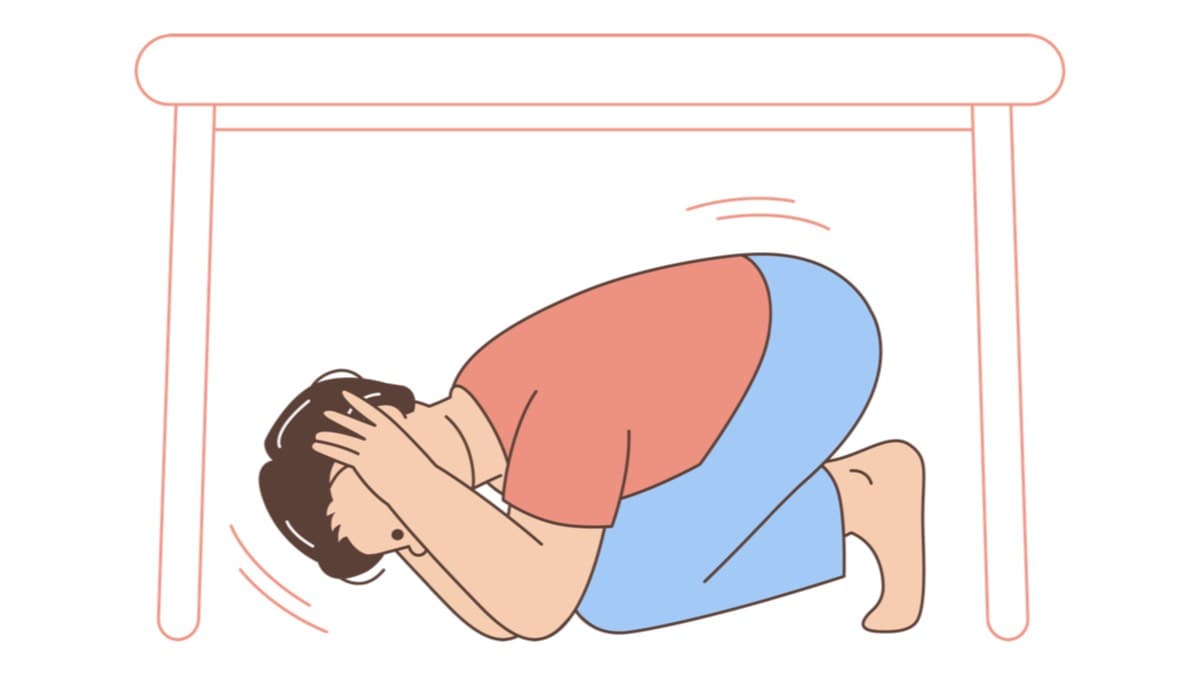
- After an earthquake, drop, cover and hold onThen, as soon as it's safe to move, head for your safe place. Don't wait for an official warning.
- On the beach, move off it as soon as you feel shakingHowever big or long the earthquake, head for high ground or inland.
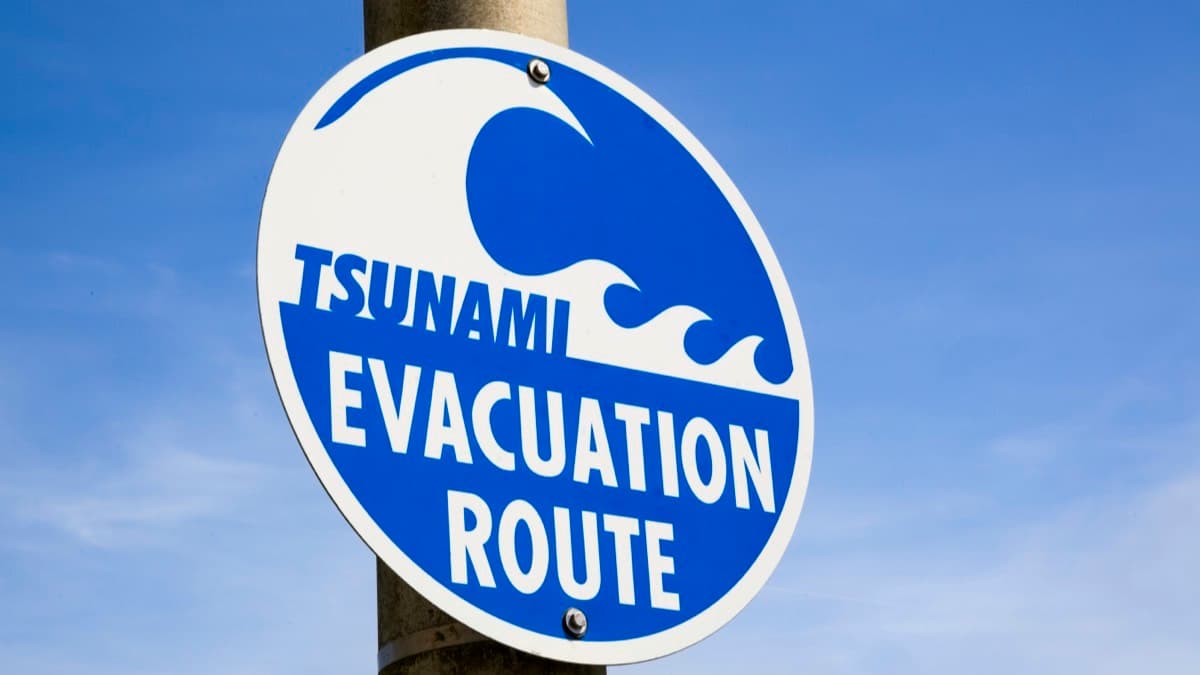
- With an official warning, follow the planStay out of the water and away from beaches and waterways, and go to your safe place unless officials say otherwise. If you can't reach it, follow evacuation signs or go as high or as far inland as you can.
- Outside the hazard zone, stay putLeave only if local officials tell you to.
- Keep phone calls shortLeave the lines free for emergencies.
Afterward
- Stay out of the hazard zone until officials say it's safeA canceled warning doesn't mean the danger has passed. It can be days before it's safe to go back.
- Stay out of damaged buildingsStay out of buildings with water around them too, until a professional or official says it's safe.
- Avoid fallen power lines and broken utility linesReport any you see.
FAQ
What are the warning signs of a tsunami?
A strong or long earthquake, a loud roar from the ocean, or the ocean suddenly rising or draining away. Any one of them means a tsunami could be coming.
How far should I go to escape a tsunami?
To a safe place on high ground or inland, outside the tsunami hazard or evacuation zone, on foot if you can.
Is the danger over after the first wave?
No. The first wave may not be the last or the largest, and the danger can last for hours or days.
Sources
Checked October 20, 2026
- National Weather Service (NOAA). Tsunami safety (2026)
- National Weather Service (NOAA). Before a tsunami (2026)
- National Weather Service (NOAA). During a tsunami (2026)
- National Weather Service (NOAA). After a tsunami (2026)
- Living
- Owner
- Tenant