How-to
Bringing outdoor plants inside for the winter
Move tropical potted plants in when nights first drop below 50°F, after a week or two in the shade and a cleaning that leaves the pests outside.
Satisfy+ Editorial · Published August 6, 2026 · 3 min read · 1 hr to do · Free
At a glance
- Bring in
- When nights first drop below 50°F
- Before that
- A week or two in the shade outdoors
- Clean
- The leaves, the pot and the drain hole
- Over winter
- Little or no fertilizer
Most common houseplants are native to the tropics and can't tolerate cool temperatures. Peace lily, prayer plant, hoya, spider plant, Boston fern and African violet all need to come in well before the first frost. The time to move them is when night temperatures first drop below 50°F. Some tender perennials, such as cymbidium orchids, geraniums and fuchsias, can stay out until temperatures get close to freezing. Hardy perennials in frost-proof pots can stay outside all winter.
What you need
- A shady spot outdoors, such as a porch or the north side of the house
- A bucket of water big enough to dunk a small plant, or a damp cloth
- Cotton swabs and rubbing alcohol, or insecticidal soap
- A spot indoors with about the light each plant had outside
- A saucer under each pot
Steps
- 1
Sort the plants that come in from those that stay out
Tropical houseplants come in first. Tender perennials can wait until frost is close, and hardy perennials in frost-proof pots stay out.
10 min
- 2
Move the tropical plants into shade
A week or two before you bring them in, put them in a shady spot outdoors. A sudden drop in light often causes yellowing or dropped leaves. The plant usually survives, but it looks poor for a while.
15 min
- 3
Clean each plant
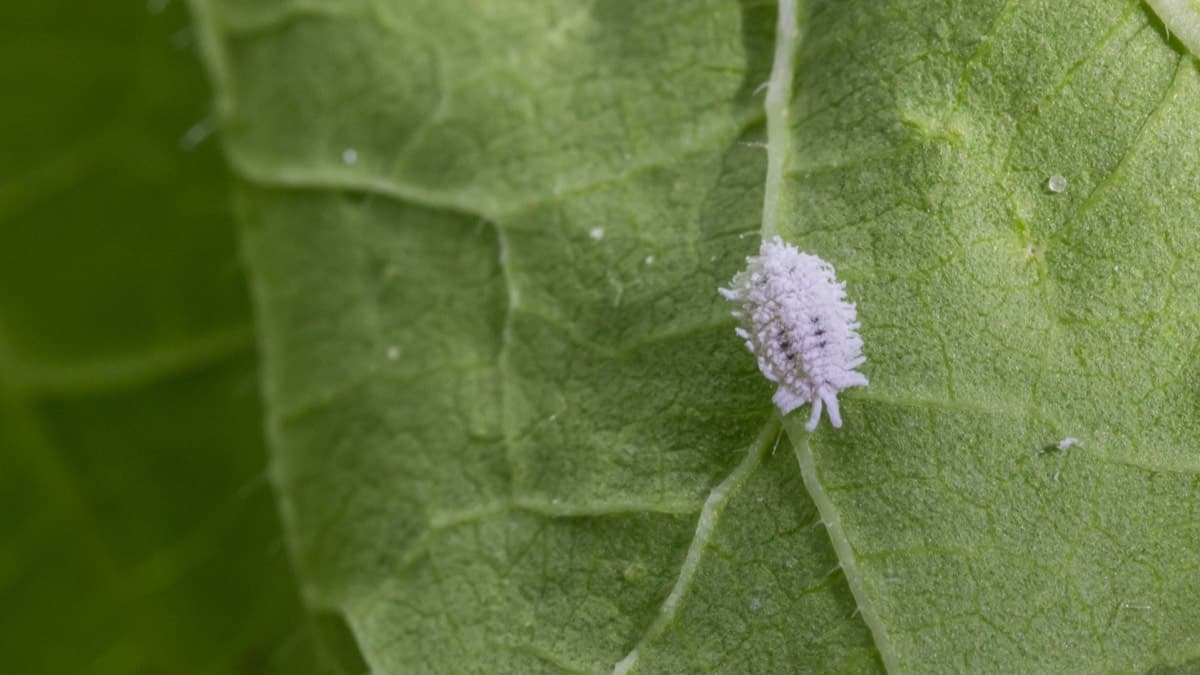
Dunk the whole plant in a bucket of water if it fits, or wipe the leaves with a damp cloth to remove insects and eggs.
10 min
- 4
Treat any pests you find
Dab aphids, mites and scale with a cotton swab dipped in rubbing alcohol, or spray the whole plant with insecticidal soap.
10 min
- 5
Flush the pot
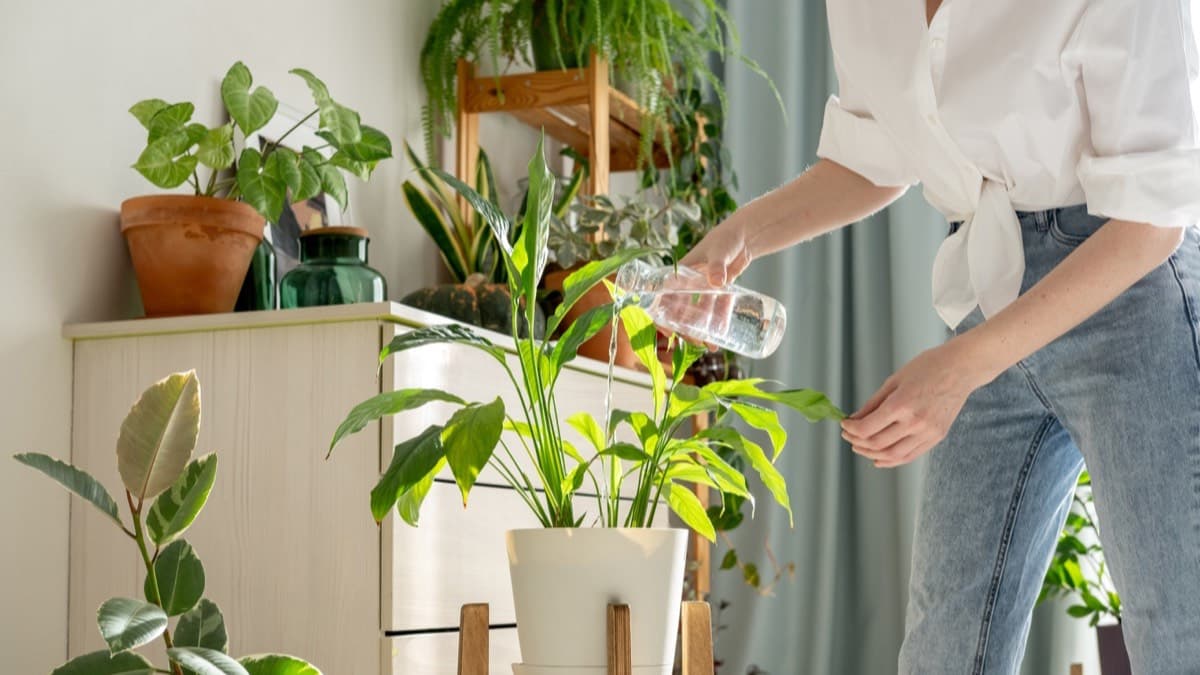
Run water through the potting mix until it drains freely. Flushing settles air pockets where pests hide.
5 min
- 6
Check the pot for slug eggs
Look around the rim, the base and inside the drainage hole.
2 min
- 7
Keep the new arrivals apart
Set them away from your other houseplants until you're sure no pests came in with them.
5 min
- 8
Check the leaves and saucers after a week inside
Look under the leaves and in each saucer for insects. A few yellow or dropped leaves are normal after the move and seldom fatal.
2 min
Bring the potted plants in before frost
- Move the tropical plants into the shade outdoors
- Clean each plant and pot before it comes inside
- Move the plants inside when nights drop below 50°F
Over the winter
Each plant has its own needs for light and water. Many houseplants do well in indirect light. Sun-loving plants such as citrus trees, bananas and geraniums want as much light as you can give them, so they go in the brightest window you have.
Water each plant only when it needs it, not on a fixed schedule. How much it needs depends on the light and warmth it gets, and soil that stays damp can kill a plant quickly. Most plants grow slowly or not at all in winter, so they usually don't need fertilizer until spring.
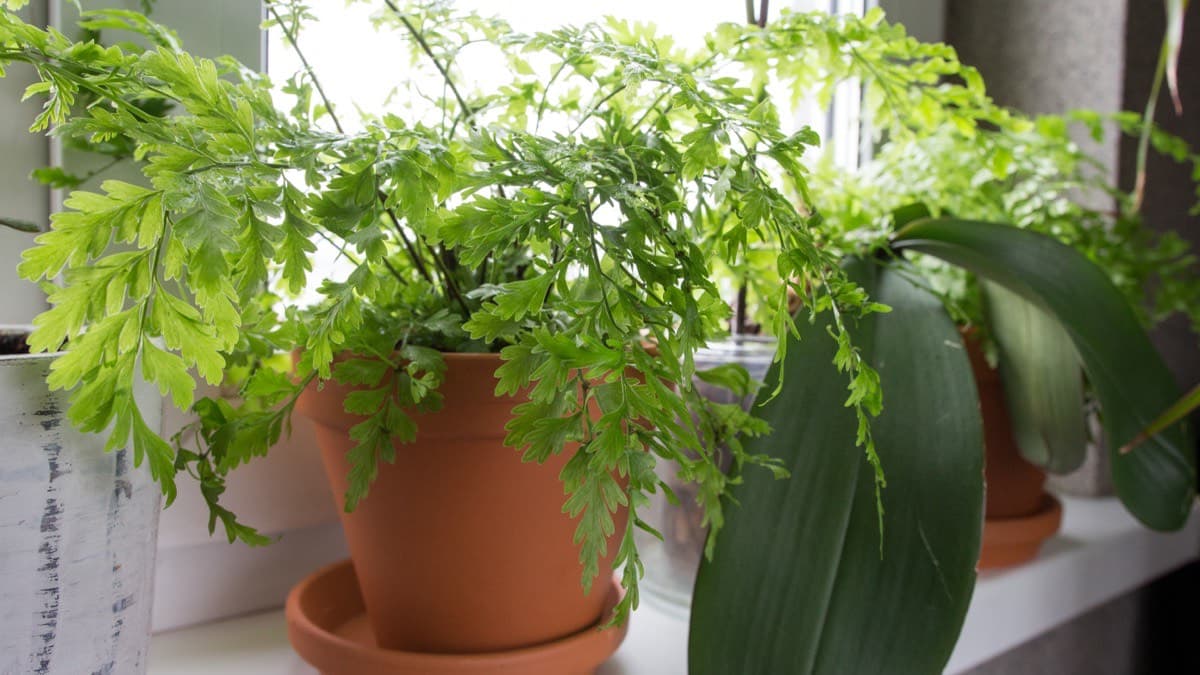
Heated air indoors is dry. Ferns, orchids and other plants that need high humidity do better clustered together on a shelf or set on a humidity tray. Small ones can go inside a terrarium. A bathroom, where you can mist them often, also works.
When there isn't room inside
Geraniums and fuchsias can spend the winter dormant instead. Cut a geranium back hard and either repot it in a small container of fast-draining mix or pull it up and store it bare-root. Let a fuchsia dry out somewhat and drop its leaves. Then store it somewhere cool and not too bright, such as an unheated garage or a basement. In spring, move them back into bright light and start watering again.
For cannas and tuberous begonias, let the foliage die back, then dig up the tubers and store them to replant in early spring. Another option is to take cuttings and root them in a sunny window. That works well for geranium, coleus, passionflower and fuchsia, and takes much less room than the whole plant.
FAQ
When should I bring potted plants inside for the winter?
Tropical houseplants should come in when night temperatures first drop below 50°F, well before the first frost.
Why are my plants dropping leaves after I brought them in?
A sudden change in light and temperature often causes yellowing or dropped leaves. It's rarely fatal, and a week or two in the shade before the move helps prevent it.
Do plants need fertilizer over the winter?
Usually not. Most plants grow slowly, if at all, until spring.
Sources
Checked October 19, 2026
- Washington State University Extension, Skagit County Master Gardeners. Overwintering container plants (2021)
- Cold
- Owner
- Fall
- Beginner
- Tenant
- Free
- DIY