How-to
Keeping a bird feeder clean
Take a seed feeder apart and scrub it at least every two weeks, soak it in a 1-to-9 bleach solution, and let it dry completely before you refill it.
Satisfy+ Editorial · Published August 26, 2026 · 3 min read · 30 min to do
At a glance
- Seed feeders
- At least every two weeks
- Disinfect
- 1 part bleach to 9 parts water, 10 minutes
- Before refilling
- Rinse well and dry completely
- Under the feeder
- Sweep up spilled seed once a month
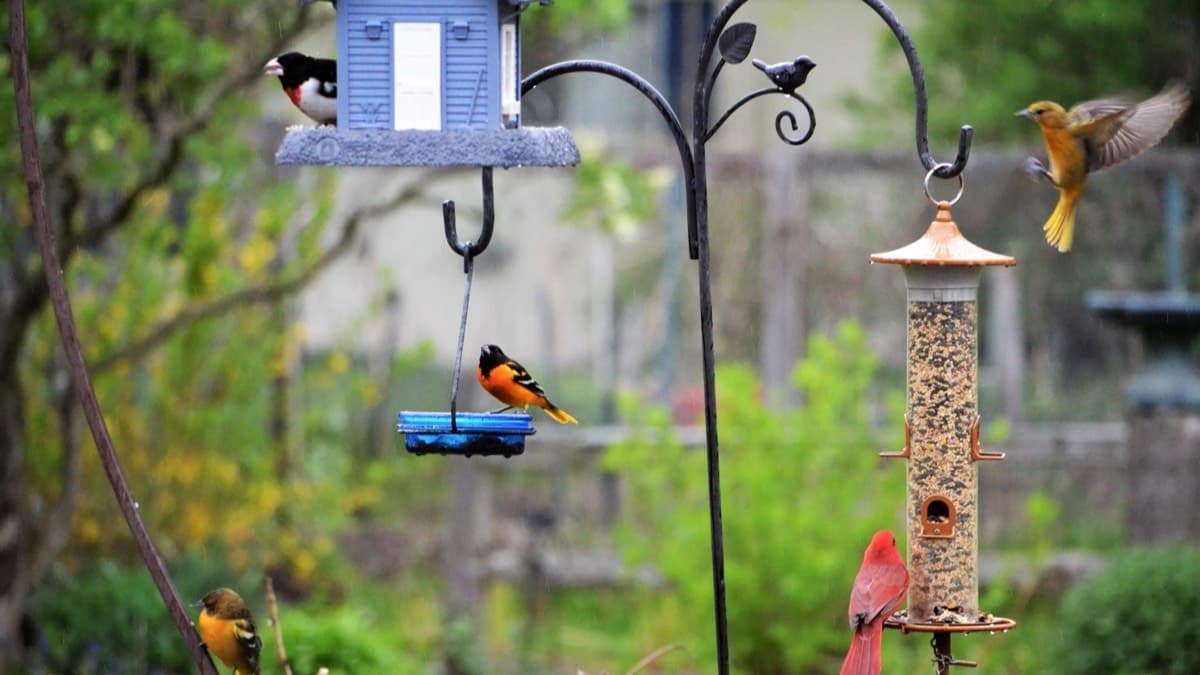
Moldy seed and droppings build up in and around a feeder. They can grow mold, carry bacteria and spread diseases such as salmonella between birds. Clean a seed feeder at least every two weeks, and more often after rain, when lots of birds are visiting or if you find dead birds in the yard.
What you need
- Rubber gloves
- A scrub brush or bottle brush
- Dish soap and warm water
- Household bleach, or hydrogen peroxide
- A tub or bucket big enough to soak the parts
Steps
- 1
Take it apart
Empty out the old seed and take the feeder apart, wearing gloves.
3 min
- 2
Scrub off the debris
Scrub every part with the brush, warm water and dish soap to get rid of old seed, hulls and droppings. Some feeders can go in a dishwasher, though not all are dishwasher safe.
10 min
- 3
Disinfect it
Soak the cleaned parts for 10 minutes in 1 part bleach to 9 parts water. This 10% solution is the most effective way to kill salmonella. Hydrogen peroxide works too, and soap and water alone clean less thoroughly.
10 min
- 4
Rinse it well
Rinse every part until no bleach is left on it.
3 min
- 5
Dry it completely
Let the parts dry all the way before you put the feeder back together and refill it.
2 min
- 6
Wash your hands
Wash your hands thoroughly after cleaning or filling a feeder.
2 min
Keep the bird feeder clean
- Wash the bird feeder
- Clean up the spilled seed under the feeder
Hummingbird feeders
Sugar water grows mold quickly, especially in warm weather. Clean a hummingbird feeder every couple of days, ideally every time you refill it. If the water looks cloudy or shows black mold, pour it out and clean the feeder right away with warm water and dish soap, then rinse it well.
Birdbaths and the ground below
Change the water in a birdbath every couple of days and scrub the bath out weekly. Empty and scrub it sooner if the water turns cloudy, grows mold or has droppings in it.
Sweep up spilled seed and empty hulls under the feeder once a month. Mice and insects feed on spilled seed, so if they're showing up, sweep more often. Wear a mask while you rake or sweep under feeders and birdbaths. Moving the feeder to a new spot now and then keeps waste from building up in one place.
If you see a sick bird
Fluffed-up feathers, sluggishness, growths and crusty eyes are signs of illness. Clean and disinfect the feeders and birdbaths more often. Taking the feeders down for a while can help birds spread out, though only where few neighbors feed birds. Where many do, it can crowd birds onto the feeders that are left.
FAQ
How often should I clean a bird feeder?
At least every two weeks for a seed feeder, and more often after rain or when lots of birds visit. Clean a hummingbird feeder every couple of days.
What's the best way to clean a bird feeder?
Take it apart, scrub it with dish soap and warm water, soak the parts for 10 minutes in 1 part bleach to 9 parts water, then rinse and dry them completely.
Can I use bleach on a bird feeder?
Yes. Soak the parts in 1 part bleach to 9 parts water, rinse off every trace of it and let the feeder dry fully before refilling it.
Sources
Checked October 20, 2026
- Clemson Cooperative Extension. Washing bird feeders (2025)
- Cornell Lab of Ornithology, Project FeederWatch. Feeding birds (2026)
- Yard
- Owner
- Beginner
- Tenant
- Free
- DIY