Checklist
Putting the garden to bed in the fall
Pull and compost the healthy plants, throw out the diseased ones, cover the soil with mulch or a cover crop, test the soil, and put the tools and hose away for winter.
Satisfy+ Editorial · Published August 14, 2026 · 3 min read
At a glance
- Healthy plants
- Into the compost
- Diseased plants
- Out of the compost
- Bare soil
- 3 to 6 inches of mulch, or a cover crop
- Soil test
- Every three years
A fall cleanup means fewer pests and problems next spring. Clearing the beds, covering the soil and noting what grew where also gives you a head start on next year's garden.
Finishing the harvest
- Pick the frost-tender crops before the first frostYou can also cover them on nights when frost is forecast, to stretch the harvest.
- Leave the hardy crops in placeKale, Brussels sprouts and horseradish keep producing into the cold, and Brussels sprouts taste better after frost.
- Mulch the root crops you'll dig in winterAfter the first hard frosts, cover carrots, beets and parsnips with 6 to 8 inches of straw, hay or leaves, and mark the rows.
Clearing the beds
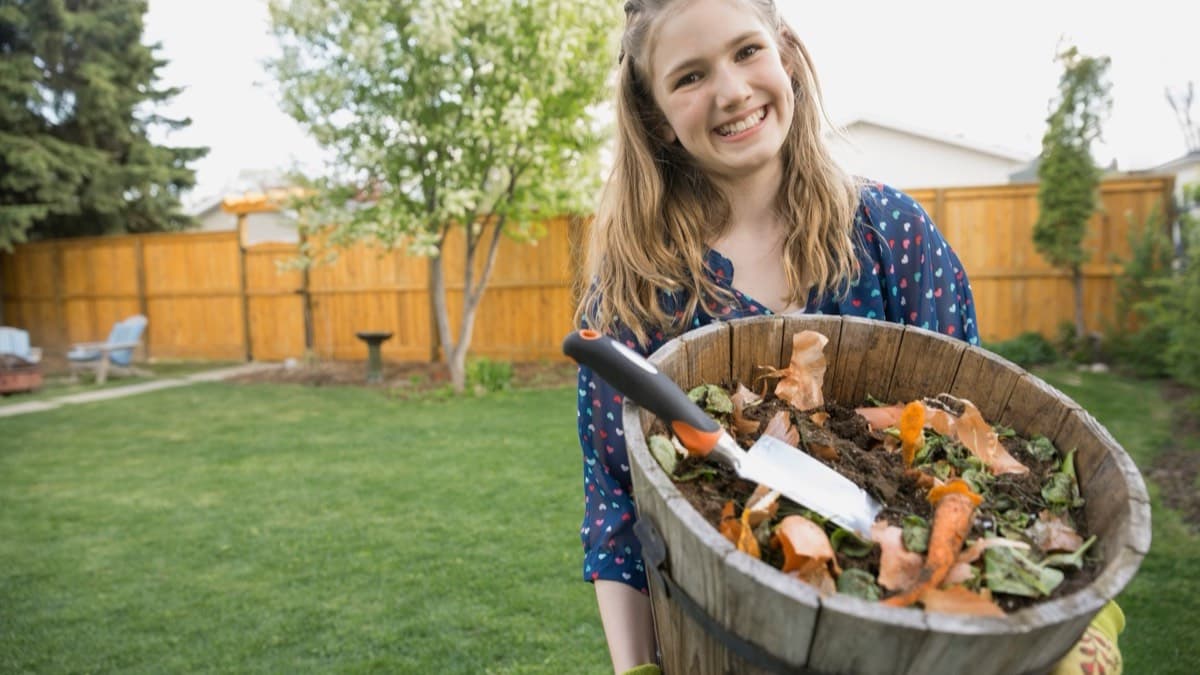
- Pull the spent plants, weeds and stalksBreak or shred healthy material into small pieces and add it to the compost.
- Keep diseased plants out of the compostUnless the pile heats to at least 140°F, disease organisms can survive and come back with the compost. Discard diseased plants away from the pile.
- Leave bean and pea roots in the groundCut off the tops and let the roots feed the soil microbes over winter.
- Discard perennials that are always diseasedFall is the time to remove them before they spread problems.
- Sketch what grew whereRotating crops to new spots each year cuts down on vegetable diseases, and a sketch shows where each crop was.
Covering the soil
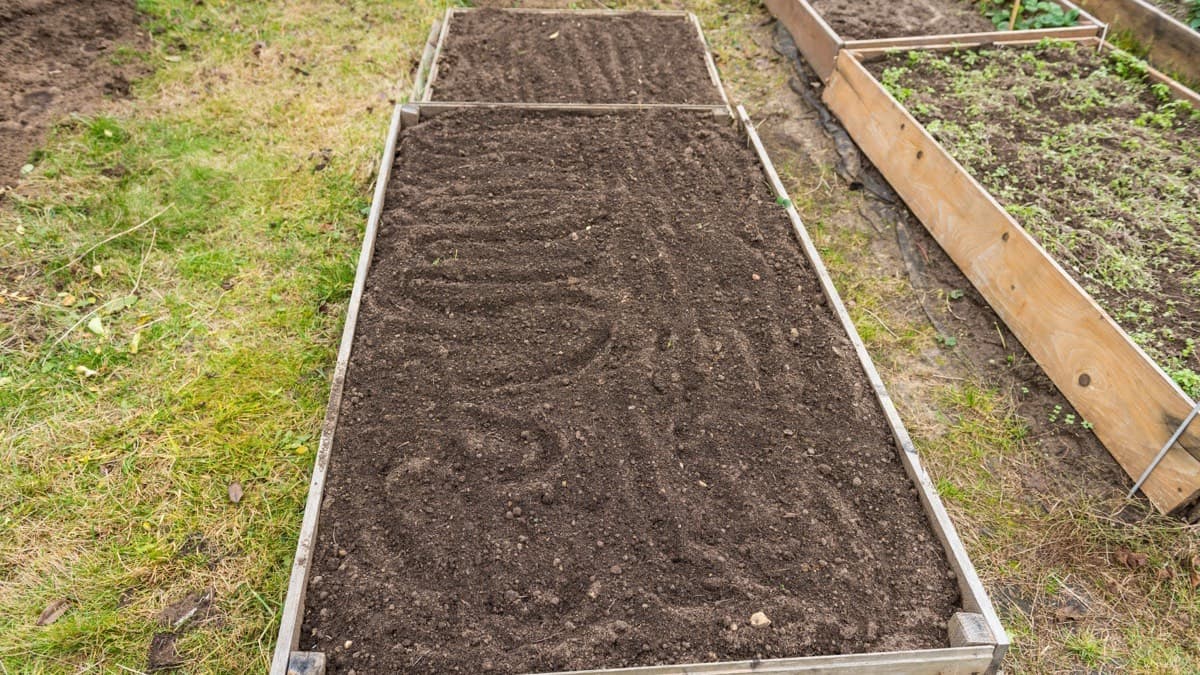
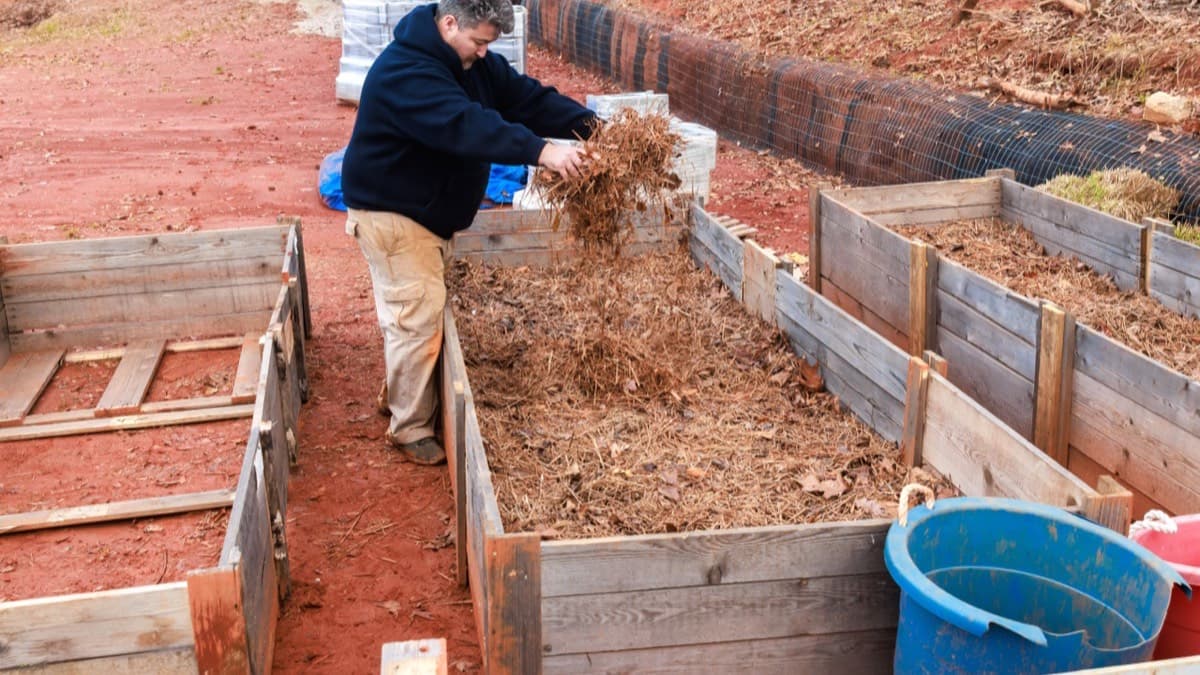
- Spread 3 to 6 inches of mulch or compostShredded leaves or clean straw without seed heads protect the soil from erosion and feed the soil life over winter. Plant into it next spring or turn it into the top 6 inches.
- Or sow a cover cropWinter rye can go in from late summer through October 1. Spring oats, sown in late August or early September, die in winter and don't come back. Rake the seed in lightly.
- Turn a rye cover crop under in springDo it before the growth is 6 inches tall, and wait at least two weeks before planting.
- Plant garlic in mid-OctoberSet cloves about 2 inches deep and 4 inches apart, and cover the bed with 3 to 4 inches of chopped leaves or straw.
Testing the soil
- Test the soil if it's been three yearsA fall test leaves the winter for lime or other amendments to work into the soil.
Putting things away
- Clean and oil the toolsWipe the metal blades with oil so they don't rust, and store them under cover.
- Drain the garden hose
- Wash and dry the sprayerA light coat of oil protects the moving parts.
- Store leftover pesticides safelyKeep them in their original containers, locked up, dry and where liquids won't freeze.
- Empty the containersCompost the plants and old potting mix, and wash the pots in one part bleach to ten parts water.
Put the garden to bed
- Clear the spent plants and compost the healthy ones
- Cover the garden soil with mulch or a cover crop
- Test the garden soil
- Drain the garden hose and store it
FAQ
Should I compost diseased garden plants?
Not unless the pile heats to at least 140°F. Below that, disease organisms can survive and return with the compost.
What should I cover my garden with for winter?
3 to 6 inches of shredded leaves, clean straw or compost, or a cover crop such as winter rye.
When should I plant a fall cover crop?
Winter rye from late summer through October 1, and spring oats in late August or early September.
Sources
Checked October 20, 2026
- Michigan State University Extension. Fall cleanup in vegetable gardens (2016)
- University of New Hampshire Cooperative Extension. Fall vegetable garden activities (2000)
- University of Illinois Extension. Fall garden cleanup lays groundwork for a successful spring (2020)
- Yard
- Owner
- Fall
- Beginner
- Tenant
- DIY