Explainer
Salt damage to the lawn and plants along the drive
Deicing salt burns foliage, dries out roots and packs the soil, so use less, keep salty snow off the beds, and soak the damaged strip in spring.
Satisfy+ Editorial · Published October 12, 2026 · 4 min read
At a glance
- Most damaging
- Sodium chloride, or rock salt
- Signs
- Brown strip by the pavement, browned needles facing it
- Spring fix
- 1 inch of water, three or four times
- A little goes far
- About 12 ounces per 1,000 square feet
Rock salt, or sodium chloride, is the most common deicer and does the most harm to plants. Salt reaches them three ways. Cars passing on a salted road throw spray onto buds, needles and stems. Salty meltwater soaks into the soil. And salt-laden snow gets shoveled or plowed onto lawns and beds.
What salt does
- Burns foliage. Spray burns buds, leaves and small twigs, and dries out the bud scales so the leaves and flowers inside die in the winter wind. Evergreens suffer most.
- Dries out roots. Salt in the soil holds onto water, so roots can't take up as much. Plants go thirsty even in moist soil.
- Starves the plant. Sodium and chloride crowd out potassium and other nutrients, and chloride can build up in leaves to toxic levels.
- Packs the soil. Sodium makes clay particles swell, which compacts the soil and slows drainage, so roots grow poorly.
Damage often doesn't show until late winter or spring. Deciduous plants show it when they leaf out. Soil damage can take until summer, or even years, to appear, and often shows up in hot, dry weather.
The signs
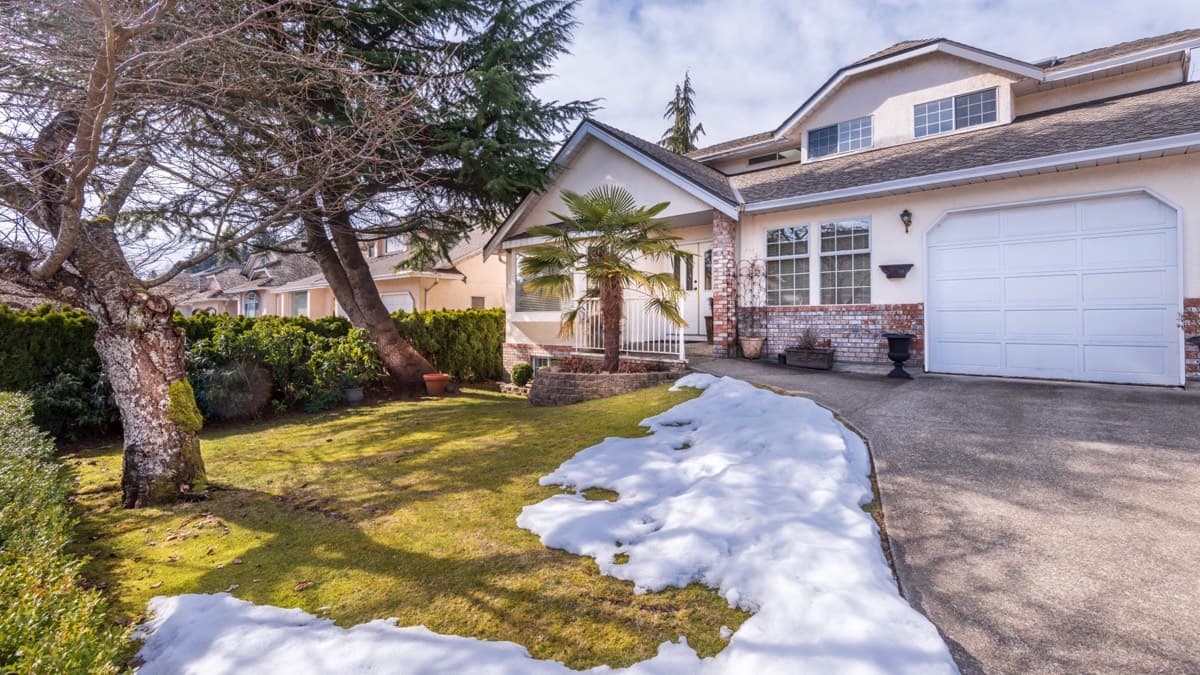
- A strip of thin, stunted or dead grass along the walk, driveway or street in spring
- Needles browning from the tips, or leaf edges scorched brown
- Damage mostly on the side of a shrub or tree that faces the pavement
- Dead buds, twig dieback and late leafing out
- Fewer or smaller leaves, and early fall color or leaf drop
A soil test can confirm a salt buildup.
Using less salt
- Clear snow early and often. Shovel, scrape and sweep before ice forms, so less salt is needed.
- Use only a little. About 12 ounces, roughly a coffee mug, covers 1,000 square feet, about a 20-foot driveway. Spread it with about 3 inches between grains, and only on the paths that need it, not on snow.
- Sweep up leftovers. Grains left on dry pavement wash or blow into the plants. Save them for the next storm.
- Add grit. Sand, ashes or kitty litter give traction without melting anything.
- Not all deicers are alike. Calcium chloride, magnesium chloride, potassium chloride and calcium magnesium acetate do less damage to plants than sodium chloride.
Protecting the yard
- Keep salty snow off the beds. Pile shoveled snow away from shrubs. Salt in it harms them, and the weight can break branches.
- Watch where the meltwater runs. Salty runoff collects where melt naturally flows, so keep new plantings out of those spots.
- Shield shrubs from spray. Burlap, plastic or wood barriers block spray from the street.
- Leave room. Plant trees and shrubs at least 3 feet from salted walks and drives, and at least 7 feet from a salted road. Evergreens don't belong along salted surfaces.
- Grow salt-tolerant grass by the pavement. Fine fescues hold up best in salty soil, tall fescue is in the middle, and Kentucky bluegrass does poorly. Perennials that die back over winter and annual flowers also do well along drives and walks.
Repairing the damage
Soak the damaged area with 1 inch of water, three or four times in spring, to wash the salt below the roots. Leaching works only in soil that drains well. Adding organic matter improves poorly drained soil. Gypsum can lower high sodium left by heavy rock salt use. In a small bed, replacing the soil is an option.
An annotated example
What to do next
Use a mug of salt per 1,000 square feet and sweep up what's left. Pile shoveled snow away from beds and shrubs. In spring, soak any brown strip along the pavement with an inch of water three or four times.
Protect the lawn and beds from salt
- Keep salty snow off the lawn and garden beds when you shovel
- Water the salt-damaged strip in spring to flush it
FAQ
How do I fix salt damage in my lawn?
Soak the area with 1 inch of water three or four times in spring to wash the salt out. Where you reseed, fine fescues tolerate salt best.
What are the signs of salt damage on shrubs?
Browned needles or scorched leaf edges on the side facing the road or walk, dead buds, twig dieback and late leafing out.
How much salt should I use on my driveway?
About 12 ounces, a coffee mug, for 1,000 square feet, spread with about 3 inches between grains.
Sources
Checked October 20, 2026
- University of Minnesota Extension. The effects of deicing salts on landscapes (2024)
- University of Massachusetts Amherst Extension, Landscape, Nursery and Urban Forestry Program. The impact of salts on plants and how to reduce plant injury from winter salt applications (2024)
- University of Maryland Extension. Melting ice safely (2024)
- Cold
- Yard
- Owner
- Winter
- DIY